

Now is a good time to review strategies to prevent drowning deaths in young children, especially in the two age groups where those deaths spike, toddlers and adolescents. Drowning is the leading preventable cause of death in children from 1 to 4, and then again in adolescents, especially boys, where it's the second-most-common cause of preventable deaths from 15 to 19, after car accidents.
The start of summer, especially after this strange lockdown year, makes for a good moment to review water safety.
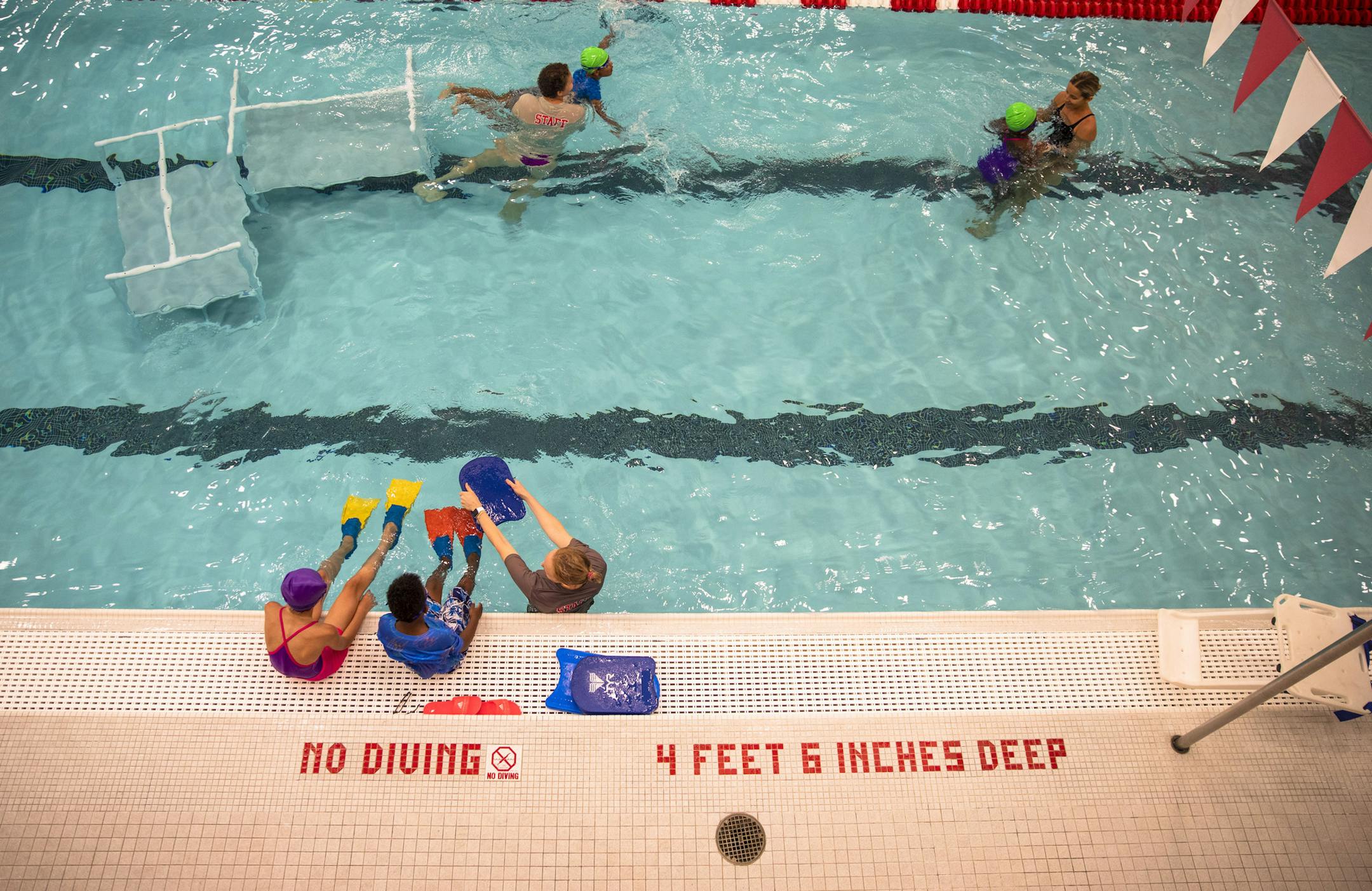
Parents who have lost children to drowning and experts across the country call for a layered approach to water safety, including fences around pools; close, constant and capable adult supervision; swimming lessons; CPR training for parents and caregivers; and Coast-Guard-approved life vests.
The Centers for Disease Control and Prevention has not yet released national data on drowning rates for 2020, but there were concerns last summer that they might be higher than usual in several states. Nicole Hughes, who lost a child to drowning, pointed to the many families who bought pools during the COVID-19 pandemic, but also to the additional stresses on parents who were trying to work from home and to supervise older children who were learning remotely.
Deaths occur beyond "swim time"
"Toddlers are slipping out unnoticed, reaching the pool more than ever now," Hughes said. She has heard stories, she said, about children who drowned the first time they ever climbed out of their cribs, or while families were unloading groceries.
"It is during the non-swim time when everybody's loading the car to start the vacation trip," she said. "When everybody's watching the kid, then nobody's watching," said Hughes, whose son escaped from a room that contained 12 adults, six of whom were physicians. "Without realizing it, subconsciously you're letting your guard down when there's a bunch of people around."
The essential messages haven't changed; parents need to be aware of the danger, and they need to understand that this can happen in any family; that small children can move very quickly, and that most home drownings — 70% — occur outside of "swim time." So the layers of protection for toddlers and small children include that supervision, but also four-sided fences around pools, deadbolts on any door that leads to the water, latches placed up high so only an adult can reach.
Precautions remain key for teens
As children get older, the patterns change, but drowning remains a major risk. Adult supervision and never swimming alone are still essential, as well as Coast-Guard-approved life jackets, even for strong swimmers. Anyone involved in activities on water where there is a current (tubing on a river, for example) should be wearing one of those life vests.


