

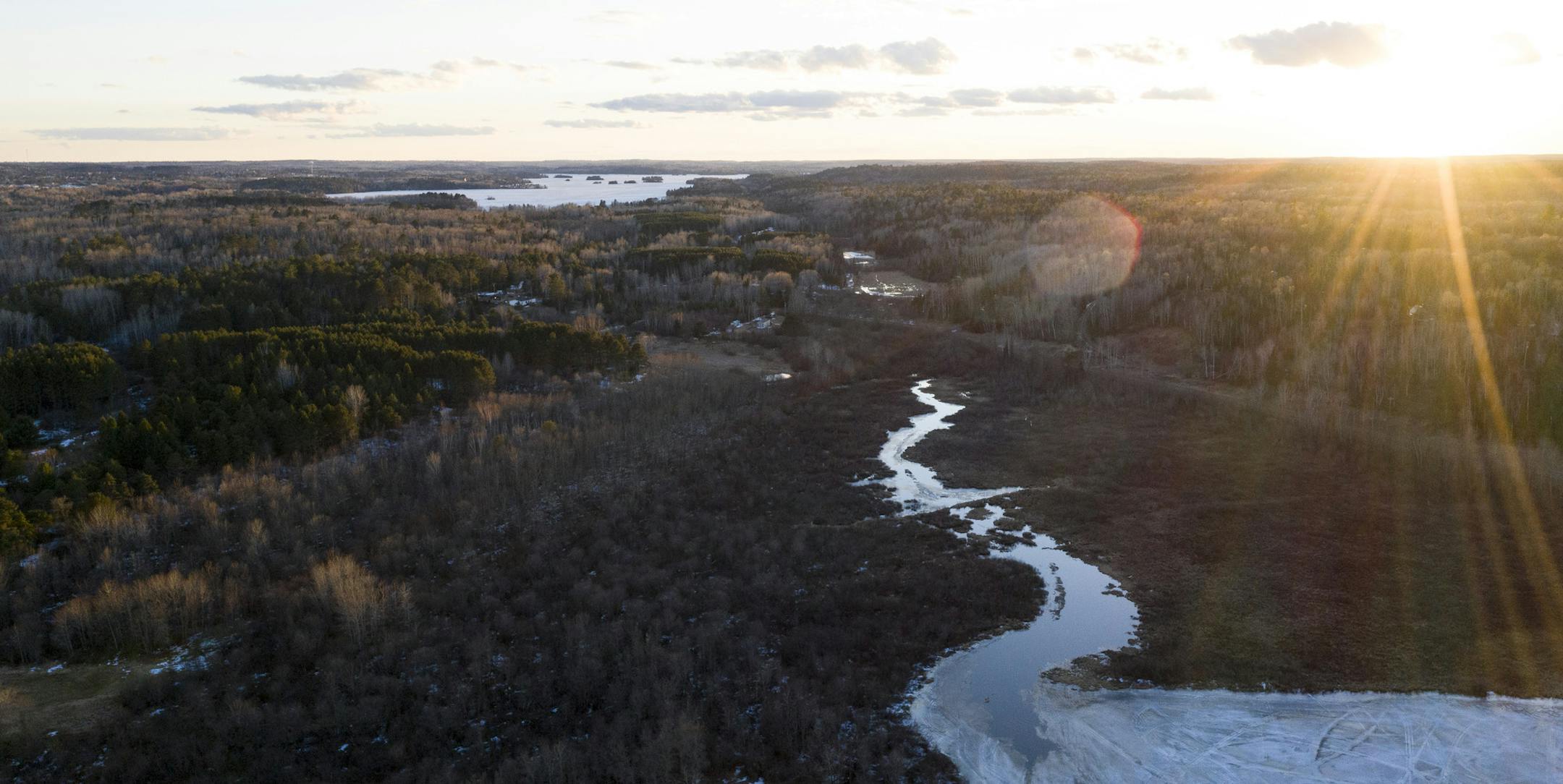
I have lived much of my life in Minnesota and feel blessed to have such easy access to the wonderful rivers, lakes and parks in our state. I can easily put my boat on the St. Croix National Scenic Riverway and spend an afternoon pulling in bass, walleye or pike. Or my family and I can take a short drive and be hiking and camping at any of our fine state parks and public lands, including Fort Snelling State Park and the Cuyuna Country State Recreation Area. We also love taking our 2-year-old to places in the city such as Boom Island Park in Minneapolis and Crosby Farm Regional Park in St. Paul, where he is free to engage in unstructured play time away from the bustle of the city but still close enough to make it home by nap time. My hope is to get him to love the great outdoors and the array of experiences it can offer as much as I do.
One thing that all of these places have in common is that they were supported by the Land and Water Conservation Fund. That important federal program has given the state of Minnesota more than $252 million since it was instituted five decades ago to create parks, increase access for hunting and fishing, build hiking and biking trails and support wildlife refuges. In addition to supporting all of the parks I've just named, it's also helped protect the Boundary Waters, Voyageurs National Park, the Crane Meadows National Wildlife Refuge and much, much more.
Earlier this year, Congress took the important step of permanently reauthorizing this beloved conservation fund. Unfortunately, Congress did not include a full funding provision. The Land and Water Conservation Fund — which gets its money from offshore oil tax revenues, at no cost to taxpayers — is entitled to receive $900 million every year. Unfortunately, Congress usually diverts much of that money for non-conservation projects. In its 54-year history, the LWCF has had more than $22 billion diverted from its funds and has been fully funded only once.
Fortunately, there is a solution. A full-funding bill has just been introduced in both the U.S. House and Senate. It will take the politics out of funding this critical conservation program. Sens. Amy Klobuchar and Tina Smith have signed on as co-sponsors, as has Rep. Ilhan Omar. Now it's time for Rep. Betty McCollum and the rest of the Minnesota delegation to step up and support America's most successful conservation program. Ensuring that the Land and Water Conservation Fund can reach its full potential is the best way to make sure that Minnesota's beautiful outdoor treasures will be enjoyed for generations to come.
Brad Gausman, Minneapolis
PLEDGE OF ALLEGIANCE
St. Louis Park messed up — fine. But don't forget its successes.
As a resident of St. Louis Park, I do not agree with the majority of my City Council members who voted to remove the Pledge of Allegiance from their regular council agenda, but I am puzzled by the level of state and national news coverage this issue is getting and disturbed by the grandstanding of people suggesting that the council is not listening when a future hearing has already been announced ("Sparks fly over pledge removal," front page, July 9).
St. Louis Park goes out of its way to support neighborhood organizations and to engage neighborhood leaders in policy discussions. When neighbors express concerns, the council has often asked for more time to make sure that it does not make decisions without giving people a chance to be heard. This well-documented history has not made the newspaper, radio or TV coverage.
Will the press be back to cover our community when we expand affordable housing, add new bike and pedestrian options or increase our commitment to fighting climate change? Will we get credit for our efforts revitalizing small-business areas or engaging new citizens? Can a positive spin on local government be "newsworthy"?
Our council, staff and citizens do not always agree, but too often the media only pays attention when there is a fight. I trust my local elected representatives are listening on this and many other local issues.


