

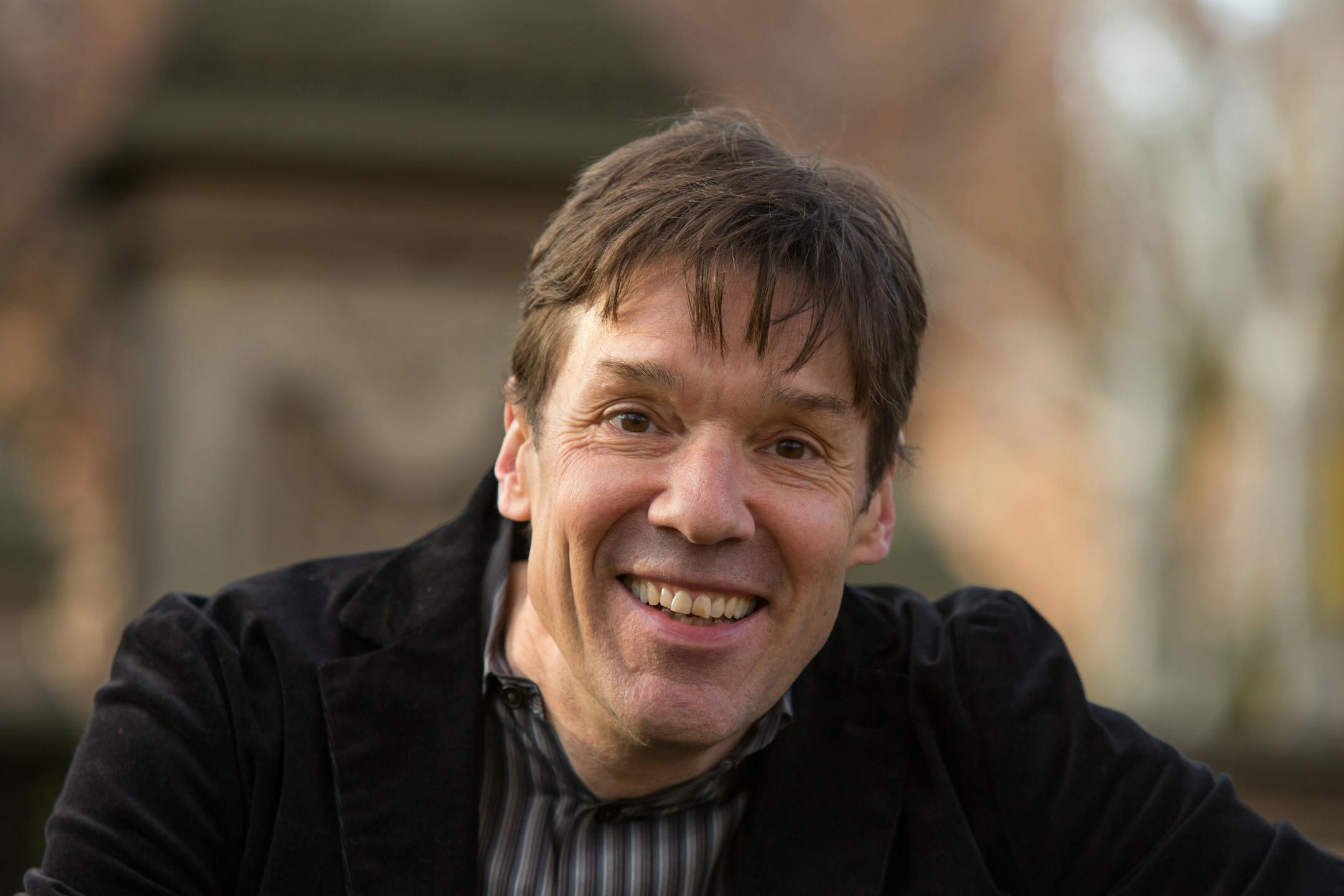
Like many baby boomers, John Leland is a front-row observer of aging as the son of a 90-year-old mother. Unlike most boomers, he felt driven to expand his understanding of getting old in America; the blessings and insults, the joys and literal pains. So, Leland, a reporter at the New York Times, spent a year with six New Yorkers ages 85 and up, then turned his research into a yearlong series and the book, "Happiness Is A Choice You Make: Lessons from a Year Among the Oldest Old." Last fall, Leland spoke at Temple of Aaron in St. Paul, sponsored by the Under the Radar Foundation. I caught up with him recently to ask why he felt "changed" by this experience and what we might learn, now, to live richer lives.
Q: You were surprised by much of what the elders taught you. What bubbles up to the top?
A: I went into this to follow these people for a year and write about the hardships of old age. We're bombarded with messages about how hard it is to grow old, with pitches for products to "fix" the problem of aging, but none of them defined themselves that way. Only their doctors, kids and journalists did.
Q: Still, you don't sugarcoat growing old. For many, it's hell. They can't walk up stairs. Most of their friends are dead. And yet, they are in many ways happier than the rest of us. I think you used the term "happy in spite of, instead of happy if only."
A: I love that distinction. It's from Karl Pillemer at Cornell University, who was a big influence on the book. If you think, "I could be happy if all my problems are solved," you'll never be happy. You'll just have new reasons to be unsatisfied. But as I spent time with the elders, I found their contentment was less an absence of hardship than a presence of meaning. If they found their life had value, however they defined it, then even suffering could be part of their happiness, because in suffering we learn who we are. So I felt I owed it to them to be as clear-eyed as I could about their hardships.
Q: Yet, there's so much loss. How do they face that over and over?
A: I think that, as we get on in life, we're forced to accept that loss is a part of life, like a brutal patch of weather in Minneapolis. You might not choose it, but it's something you share with everyone around you, not something sinister that you've been singled out for. So we focus more deeply on the people and things that really mean something to us. I was struck that none of the elders I followed spoke of their professional accomplishments, which I imagine had meant a lot to them at the time. None talked about her new kitchen or his connections to someone famous. What a relief to give that up.
Q: You note that the elders are skilled at "selective optimization with compensation," a fancy way to say they don't sweat what they don't have physically, emotionally, financially, etc. Why do we wait until we're 85 to adopt this strategy?


