

It's no longer illegal in Minnesota to disturb a public meeting, the state Supreme Court has ruled, reversing the conviction of a Little Falls woman who was charged with disorderly conduct for protesting before the City Council.
The 54-year-old law was deemed overly broad and potentially criminalized free speech, the court ruled Wednesday.
"I feel like justice was finally served," said Robin Hensel, whose refusal to move her chair at a 2013 Little Falls City Council meeting was at the heart of the court's decision.
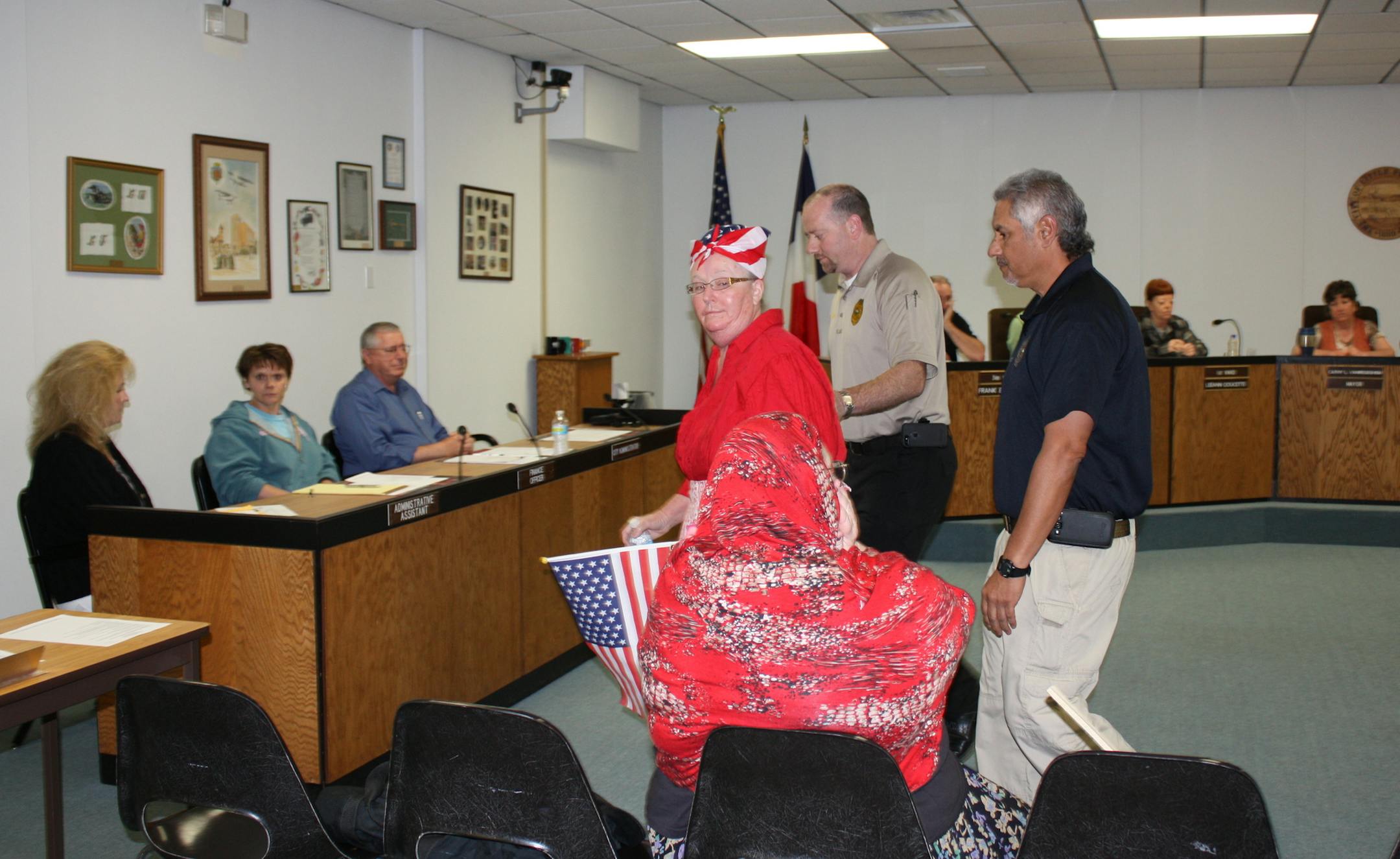
Hensel, a grandmother and peace activist who frequently protests at Camp Ripley, said she never thought she would actually get charged when she moved a folding chair to the open space between the public galley and the City Council's dais.
Her reasons for sitting there were part of a long-standing practice of challenging city officials over civil rights issues, which in the past have included the right to post numerous antiwar signs in her yard.
Hensel said she wanted to sit in the same area that others had used when, at an earlier meeting, they were invited to come forward after complaining that they couldn't see past large signs Hensel carried. The signs depicted dead and deformed children that Hensel claimed were the victims of U.S. bombing campaigns.
On the night she was charged, Hensel didn't bring the signs, but carried a U.S. flag and was aware she was drawing a potential confrontation.
"All I wanted to do was sit there quietly within eyeshot range of them and look them in the eye so that their conscience would be pricked," she said Wednesday. A video of the incident shows that it was peaceful and that she eventually agreed to leave the chambers with an officer of the law.


