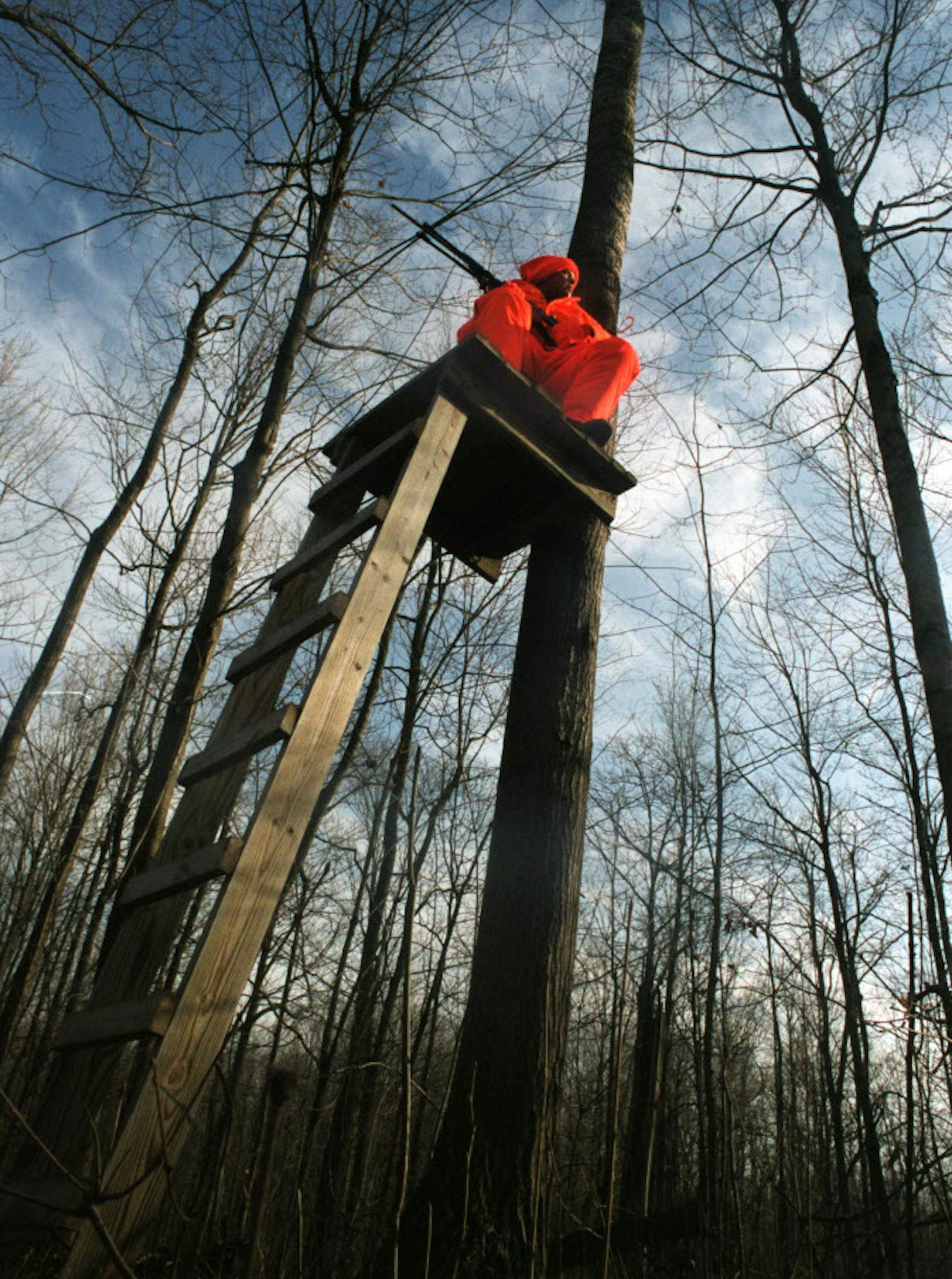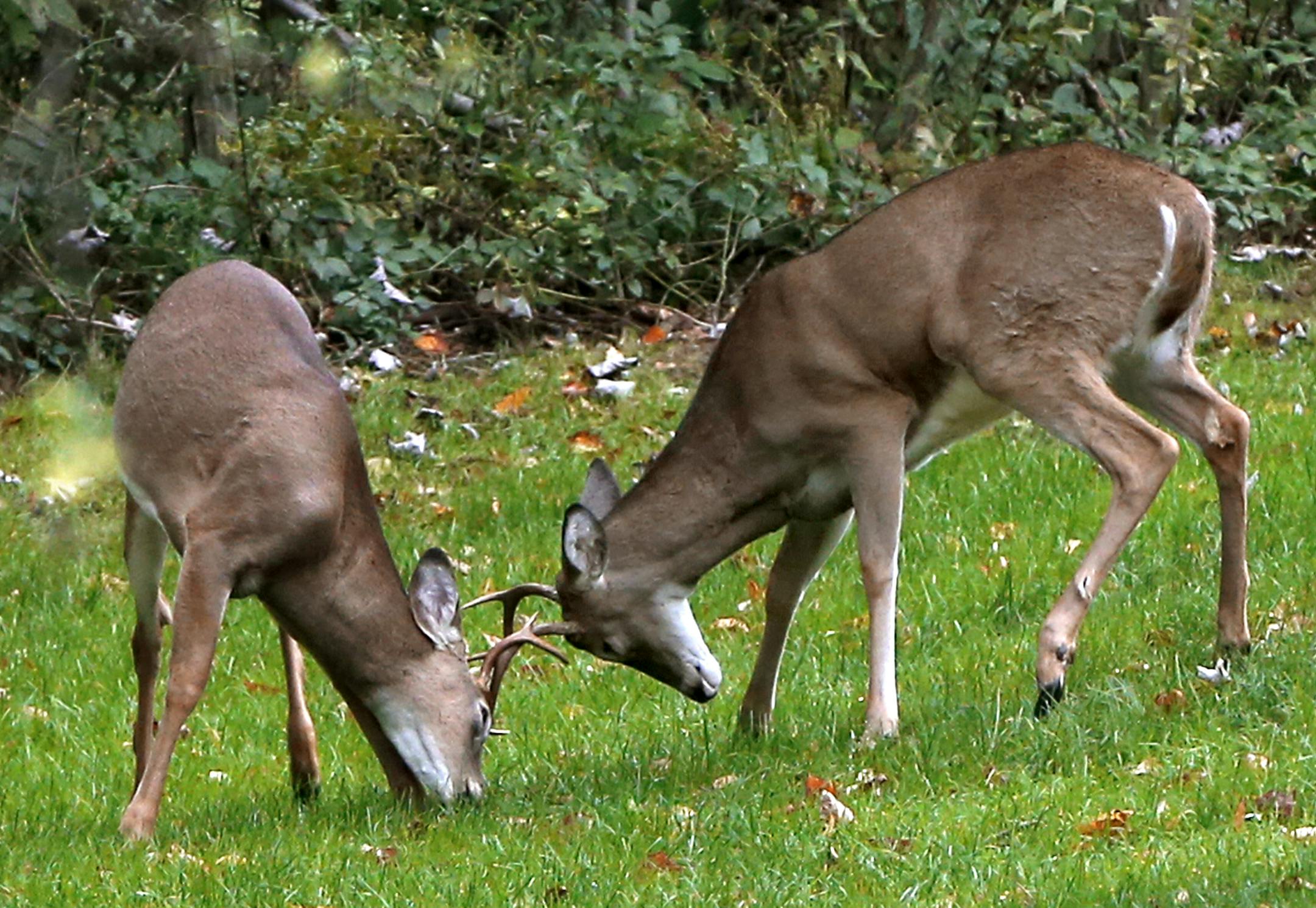
Marlin Laidlaw took up bow hunting in 1958 and has been observing deer in Wisconsin ever since. If he's correct, the 2015 firearms season that opens next weekend will deliver a bigger harvest with more distinguished bucks than last season's down year.
In the big picture, Wisconsin is straining to boost deer numbers in its northern and central forests, where antlerless deer will once again be off limits to hunters in many areas. And in the southwest and other pockets of the state, Wisconsin's game managers also are up against an ever-growing scourge of chronic wasting disease (CWD).
But for the upcoming nine-day gun season, a majority of hunters in the Badger State should reap the benefits of deer-friendly climate conditions over the past 12 months, Laidlaw said. Fawn production has been strong, and dynamic nourishment has fueled better antler growth, he said.
"All in all it could be a really nice year," said Laidlaw, a member of the Wisconsin Buck and Bear Club who also sits on the Big Game Committee of the Wisconsin Conservation Congress. "It's definitely a more impressive buck herd" than the past two years.
Upward of 16,000 Minnesotans will hunt whitetails in Wisconsin this year at a cost of $160 per nonresident license. And in the 10 Wisconsin counties that hug the Minnesota border, hunters will likely take 50,000 to 55,000 deer — more than 15 percent of the statewide harvest.
Kevin Wallenfang, the big game ecologist for the wildlife management division of the Wisconsin Department of Natural Resources (DNR), said Wisconsin's northern tier is still reeling from harsh winters that ran back-to-back before milder weather set in after the close of last year's hunt. As in Minnesota, that means female deer get special protection in those areas in order to rebuild the herd.
Wallenfang said licenses issued in 12 northern counties this year prohibit the shooting of antlerless deer. That's fewer "bucks-only" zones than a year ago, but improving herd size in the region will be the focus for more than this year.
"It's going to continue to be harder than average in northern Wisconsin," Wallenfang said.