While much of Italy looks to the past for inspiration, Milan looks to the future. Milan's last World Exposition showcased the city back in 1906, around the time F.T. Marinetti and his futurist comrades envisioned a world made beautiful by machines where "speed is beauty."
Tourists who want to lollygag in a relaxing Italian villa shouldn't go to Milan. Somehow the Milanesi missed the Italian mantra of dolce far niente, or "how sweet it is to do nothing." Instead Milan is industrious; some would call it "industrial," which is why it's the perfect backdrop for this year's World Expo (which runs through October).
Milan is hardly a quaint Italian hill town, but a bustling international city always looking for the newest trends, whether in fashion, arts or cuisine. While the rest of Italy is steeped in its own history, Milan opens itself to the world. The downside is its own culture sometimes takes a back seat and the Milanese dialect has almost completely disappeared. With a little effort, however, visitors can avoid the overly trendy and discover the gems of Milano.
Arriving in the Milano Centrale train station, I immediately feel minuscule. The vaulted ceiling arches 236 feet overhead, and enormous pillars frame marble carvings of muscular, anonymous workers with rigid jaws. My friend Luca tells me, "You are supposed to feel small here. Mussolini built this station to show the power of fascism." More than 120 million passengers travel through here each year, most on their way to somewhere else.
Hop on the yellow line of the subway, the metropolitana, which will take you directly to the fantastic cathedral. Better yet, walk a couple of blocks to catch the No. 1 line of the classic orange trams that clang through traffic to give a relaxing view of this busy place.
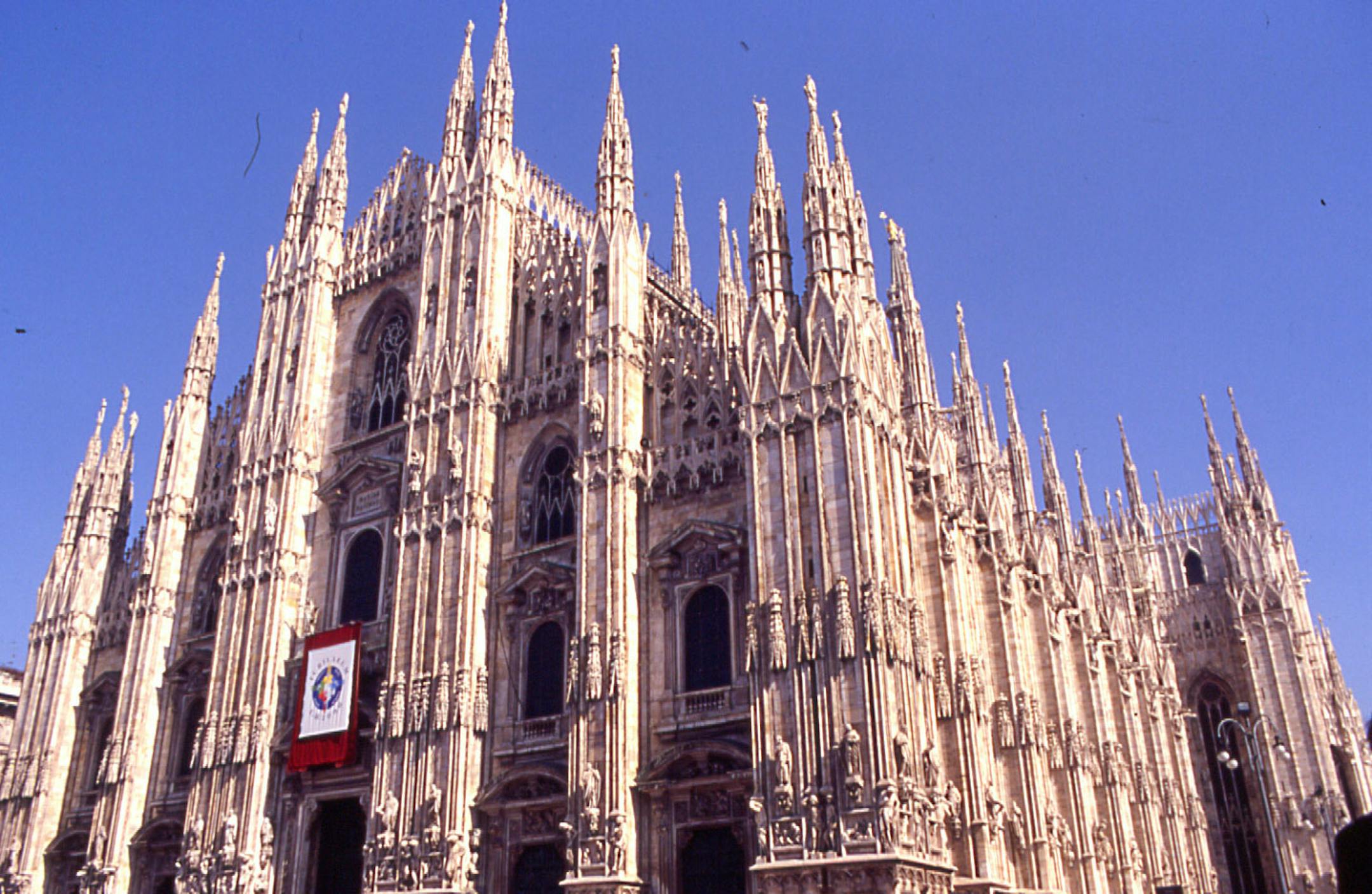
Abandon all other transportation once in Piazza del Duomo and relish the magnificent cathedral that English tourists disparagingly call "the porcupine" because of the hundreds of saintly statues piercing the air from the roofline. Stop in for lunch across the street on the top floor of the Rinascente department store for fantastic views of the cathedral. After more than 500 years of construction, the gothic duomo was finally finished in the 1960s. The symbol of Milan, the little gold Madonnina statue of the Virgin Mary, is the pinnacle of the cathedral. In 2009 as a show of Milanese resistance, a demonstrator launched a small replica of the cathedral at playboy Prime Minister Silvio Berlusconi, breaking his nose and two teeth.
This piazza has always been a place for protest. Around the corner, a bomb exploded in Piazza Fontana in 1969, killing 17 people and wounding 88. Accusations focused on left-wing anarchists or even right-wing subversives with CIA connections, but no one has been convicted. This set off the terrible anni di piombo, or "years of lead," that dissuaded even Joe Strummer of the Clash from wearing his Red Brigades shirt for a 1980 concert in Milan after the militant group was accused of kidnappings and killings.
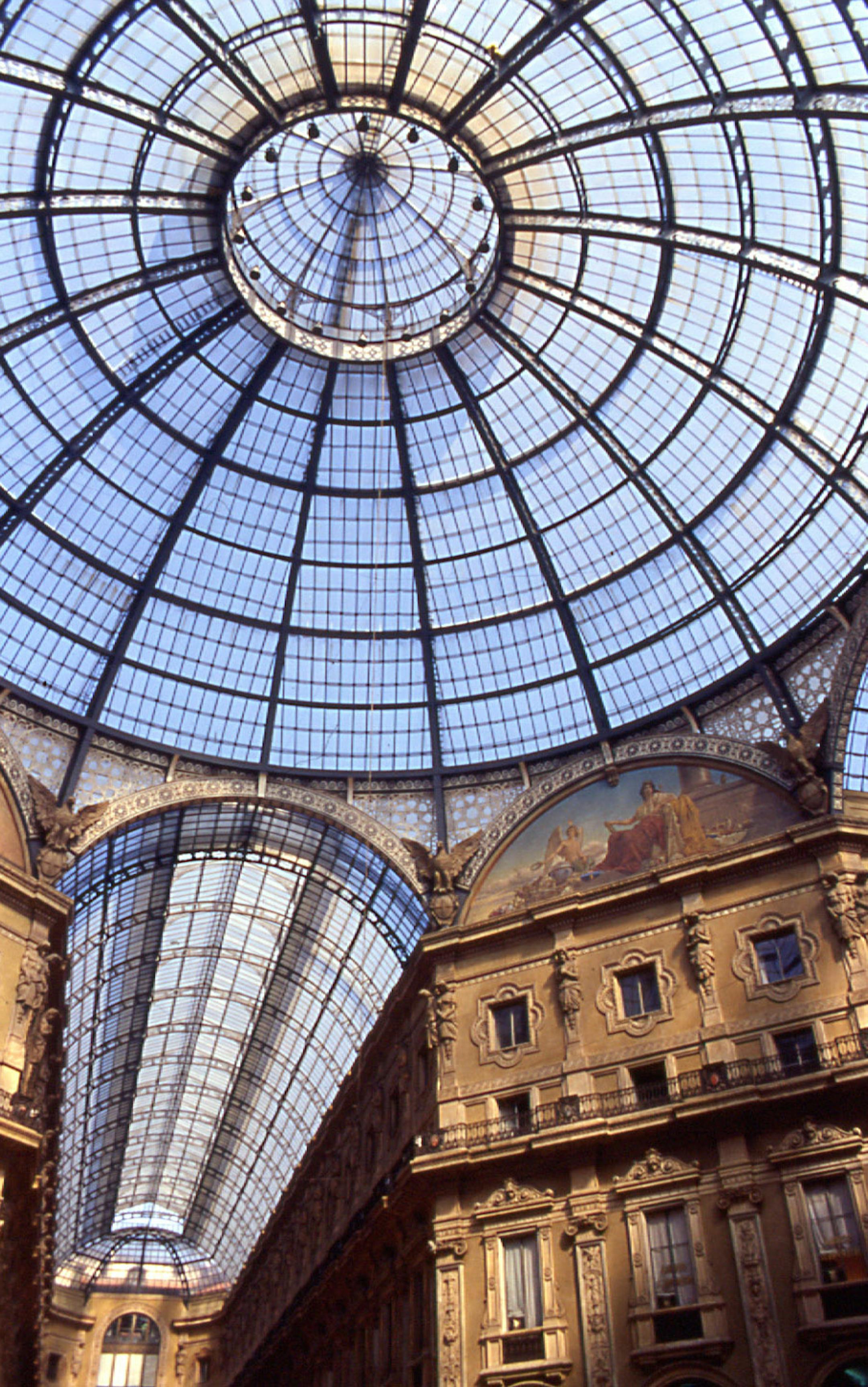
Next to the cathedral is the glorious Galleria Vittorio Emanuele II: two streets covered with an arched glass ceiling four stories overhead, intersecting under a glass dome. While Minnesota claims to have the first shopping mall (Har Mar or Southdale), Milan's Galleria dates back to the late 1800s and inspired copies around the globe with four wings and a central "crystal court." Stroll under this glass arcade, past some of the sleekest shops in town, to the opera house.