
Vikings fans, take note: From seven to 13 wins a slim margin in unpredictable NFL

September 5, 2019 at 12:04AM
Vikings quarterback Kirk Cousins in the second quarter. ] CARLOS GONZALEZ • cgonzalez@startribune.com - Minneapolis, MN - October 28, 2018, US Bank Stadium, NFL, Minnesota Vikings vs. New Orleans Saints
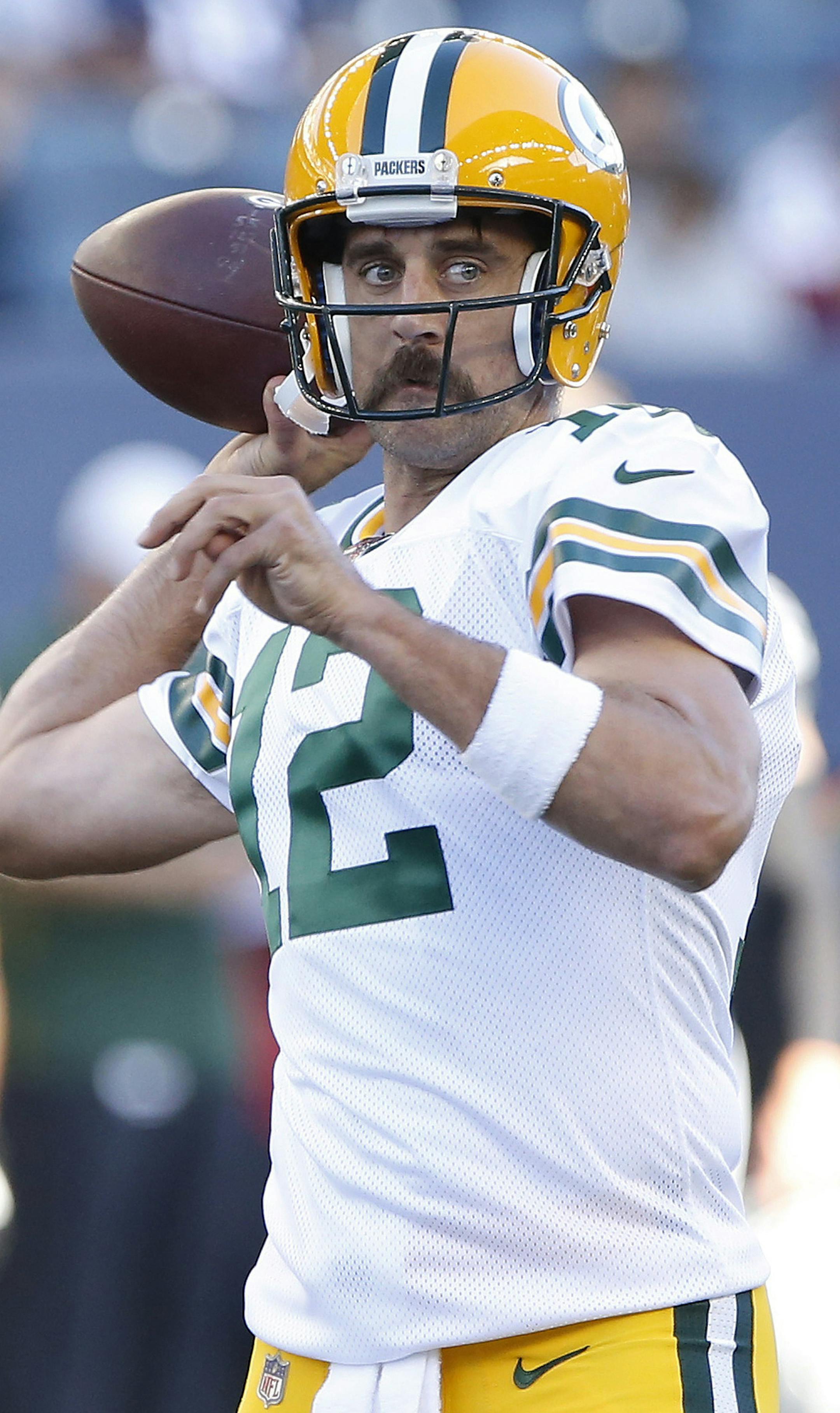
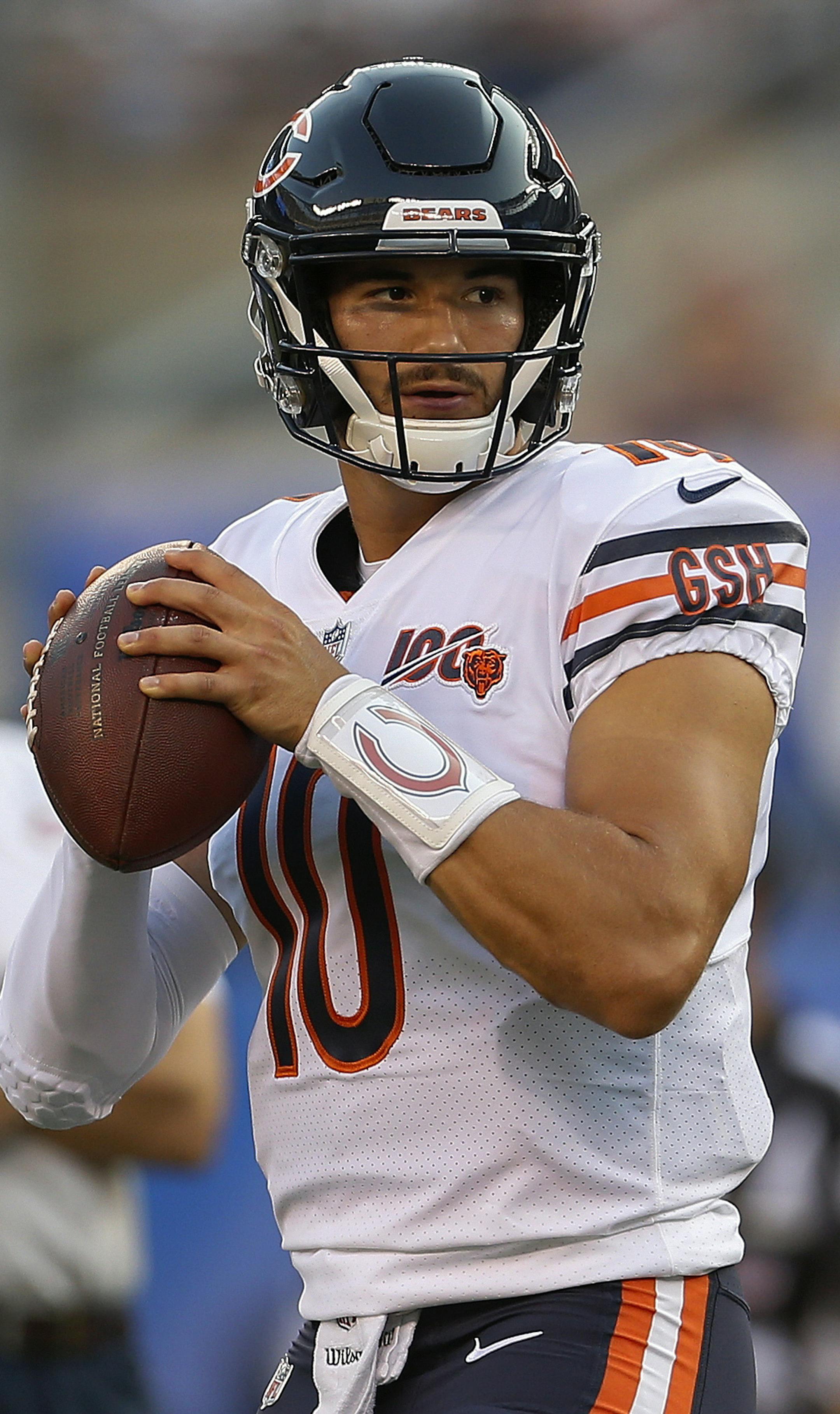
The Vikings, Packers and Bears are all projected to win between 8.6 and 8.8 games this season by ESPN. Outstanding, awful or injury-plagued seasons by Kirk Cousins of the Vikings, Aaron Rodgers of the Packers or Mitch Trubisky of the Bears could swing those victory totals wildly up or down. (The Minnesota Star Tribune)

The law of averages suggests that outcomes tend to even out over time. But the law sure works better when applied to nearly infinite spans of time as opposed to things such as, say, a 16-game NFL season.

The nature of averages and the NFL are both beautifully observed thanks to a recent ESPN.com project using its "Football Power Index," which finds that the NFC North is essentially a three-way tossup between the Vikings, Bears and Packers.

Using the average of 20,000 simulated seasons, all three are projected to win between 8.6 and 8.8 games — and the Vikings are given the slightest of edges over the other two.

But ESPN also isolated on one specific simulation — No. 1,721, according to the website — to project outcomes for all 267 games in the season for the entire NFL. In that one simulation, the Vikings lost 27-13 to the Falcons in Week 1 and went just 7-9 for the season while the Bears went 8-7-1. The Packers dominated the NFC North, going 13-3.

These differences in scale, though — one vs. 20,000 — are fascinating when placed side by side.

And picking just one out of 20,000 reveals a haunting but marvelous truth about sports: The season that actually does happen doesn't necessarily most accurately reflect the composite strengths and weaknesses of teams.

It's a snap shot of randomness, fortunate bounces, magnificent performances and being in the right place at the right time (or wrong place at the wrong time).

But you can't play the 2019 season 20,000 times in real life (although NFL owners might love to try to add it to the new collective bargaining agreement to goose TV revenue). Only one season can become reality.
ADVERTISEMENT

The random nature of that reality is particularly true of the NFL, where the 16-game regular season leaves little margin for error between a 10-6 playoff team and a 6-10 team that might get a coach fired.

Major League Baseball has 10 times as many games, the NBA and NHL five times as many. You can recover from one loss in those sports. In the NFL? The accuracy of one kick can put a major dent in a season.

And so maybe your initial reaction to seeing simulation 1,721 is to scoff. If those three teams in the NFC North are so bunched together, how can one jump so far ahead? (And the Packers, no less).

But arriving at an average of between 8.6 and 8.8 wins, as the Vikings, Packers and Bears are projected to have, doesn't mean a bunch of exclusively eight- and nine-win seasons.

Those are probably the most likely, followed by 10- and seven-win seasons, but the outliers — especially in the volatile NFL — matter.

In the Packers' 20,000 simulations, we already know there's a 13-win season. There's probably a 3-13 season in there, too. Same goes for the Vikings and Bears. Those high-end possibilities are seductive and part of the NFL's particular charm. It's much harder to imagine a slightly above-average (on paper) team in, say, the NBA rising up to claim the league's best record.

In the NFL, there's not always enough time for things to even out and for the law of averages to take over. Win a few games you weren't supposed to win, and a charmed season could be yours. Lose a couple the other way, and it's hard to catch up.

As interesting as these simulations might seem, though, it will be nice to finally play the real games. The NFL season opens Thursday night, of course, with the Green Bay Packers taking on the Bears in Chicago. Week 1 of simulation 1,721 says Packers 34, Bears 27.

That's just a one-touchdown difference — enough for one bounce to disrupt the whole thing.

And maybe, just maybe, simulation 1,722 has the Vikings winning the Super Bowl.


Green Bay Packers quarterback Aaron Rodgers warms up for the team's NFL preseason football game against the Oakland Raiders on Thursday, Aug. 22, 2019, in Winnipeg, Manitoba. (John Woods/The Canadian Press via AP)
Green Bay Packers quarterback Aaron Rodgers warms up for the team’s NFL preseason football game against the Oakland Raiders on Thursday, Aug. 22, 2019, in Winnipeg, Manitoba. (John Woods/The Canadian Press via AP) (The Minnesota Star Tribune)
Chicago Bears quarterback Mitchell Trubisky (10) warms up before an NFL football game against the New York Giants, Friday, Aug. 16, 2019, in East Rutherford, N.J. (AP Photo/Adam Hunger)
Chicago Bears quarterback Mitchell Trubisky (10) warms up before an NFL football game against the New York Giants, Friday, Aug. 16, 2019, in East Rutherford, N.J. (AP Photo/Adam Hunger) (The Minnesota Star Tribune)
about the writer

about the writer

Michael Rand

Columnist / Reporter

Michael Rand is the Minnesota Star Tribune's Digital Sports Senior Writer and host/creator of the Daily Delivery podcast. In 25 years covering Minnesota sports at the Minnesota Star Tribune, he has seen just about everything (except, of course, a Vikings Super Bowl).

See Moreicon

More from Sports

See More
card image
Carlos Gonzalez/The Minnesota Star Tribune

The Wolves didn’t appear engaged at either end of the floor and lost for the third time in four games.

card image
card image