

Rigid and austere, a bronze statue of King Chulalongkorn, the fifth monarch of Thailand's Chakri dynasty, gazes across Bangkok's Royal Plaza from a gleaming steed.
It is just one immovable legacy of the Thai monarchy. The mind-set of the country's armed forces is another.
The king, who reigned from 1868 to 1910, overhauled them late in the 19th century, founding a military and naval academy, creating a ministry of defense and indelibly associating them with the crown.
Thailand's generals have seized power 12 times since a revolution brought an end to absolute monarchy in 1932. The most recent coup was in 2014. The general who led it, Prayuth Chan-ocha, has remained prime minister since.
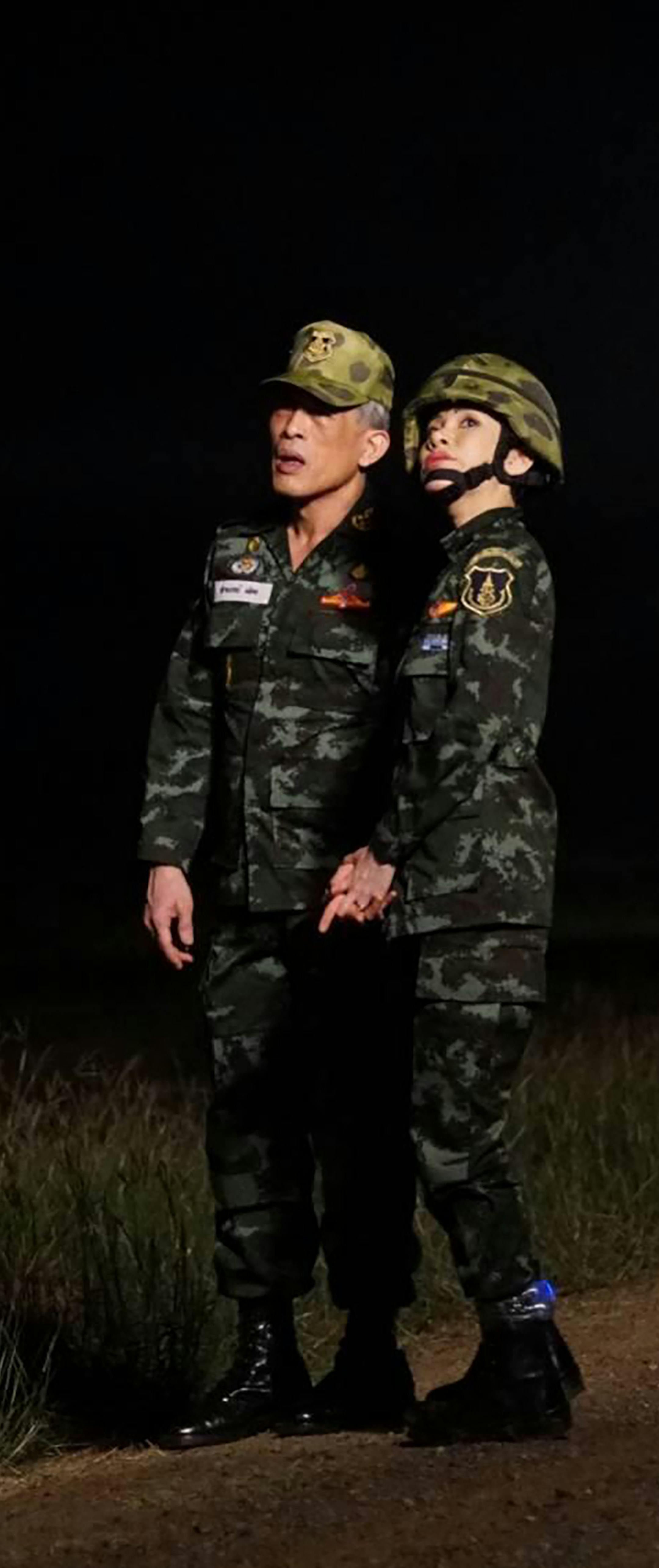
But his authority over the army he once commanded is fading. Instead, King Maha Vajiralongkorn is fast becoming the biggest influence over Thailand's men and women in uniform.
The armed forces have never really proved themselves in war. Instead they have focused on battling their country's politicians.
Their most fearsome foe was Thaksin Shinawatra, whom they ousted as prime minister in 2006. The feud between his supporters and opponents has tortured Thai politics ever since. But the army appears finally to have bested its enemy, presiding over a rigged election in March that relegated the Thaksinites to a parliamentary minority for the first time since 2001.
Politicians backing the army have formed a coalition government led by Prayuth. But the coalition is a rickety one, composed of 18 different parties. That leaves Prayuth ever more dependent on the veneer of legitimacy provided by the king.


