

Results from an experimental Medicare program launched as part of health care reform efforts show that three Twin Cities health care systems all took good care of their patients, but couldn't always cut costs at the same time.
Park Nicollet, Allina Health and Fairview Health Services all agreed to act as "accountable care organizations" under the Pioneer program — overseeing the care of elderly Medicare patients, and gambling that the hospitals could profit by keeping patients healthy while lowering medical costs below expected levels.
Park Nicollet received a $2.1 million reward because its patients were cheaper than the federal Medicare program expected in 2013, but Allina Health of Minneapolis didn't save enough on patient care to receive any bonus. And Fairview's patients ended up costing more than Medicare expected, meaning the health system might have to pay the federal government back some of the money it received for their care.
Whether the three hospitals learn from their results and achieve savings without sacrificing quality in the next three years of the Pioneer experiment has implications beyond their own bottom lines. Persuading hospitals to become accountable care organizations — to share in the financial risks and rewards of their own efficiency — is an underlying but unproven tenet of U.S. health care reforms.
Medicare officials are encouraged by the 2013 results. Between 23 U.S. hospital systems in the second year of the Pioneer program, and another 220 in the first year of a similar Shared Savings Program, the federal agency announced $372 million in savings beyond what they would expect to pay for elderly patients in their traditional fee-for-service benefits program.
But even the successful hospitals are finding success to be a grind. Ten of the original 33 health systems in the Pioneer study dropped out. Park Nicollet needed to make substantial upfront investments in additional staff to achieve its reduction in spending per Medicare patient, and it is ultimately reducing the number of billable services it provides to patients in the process.
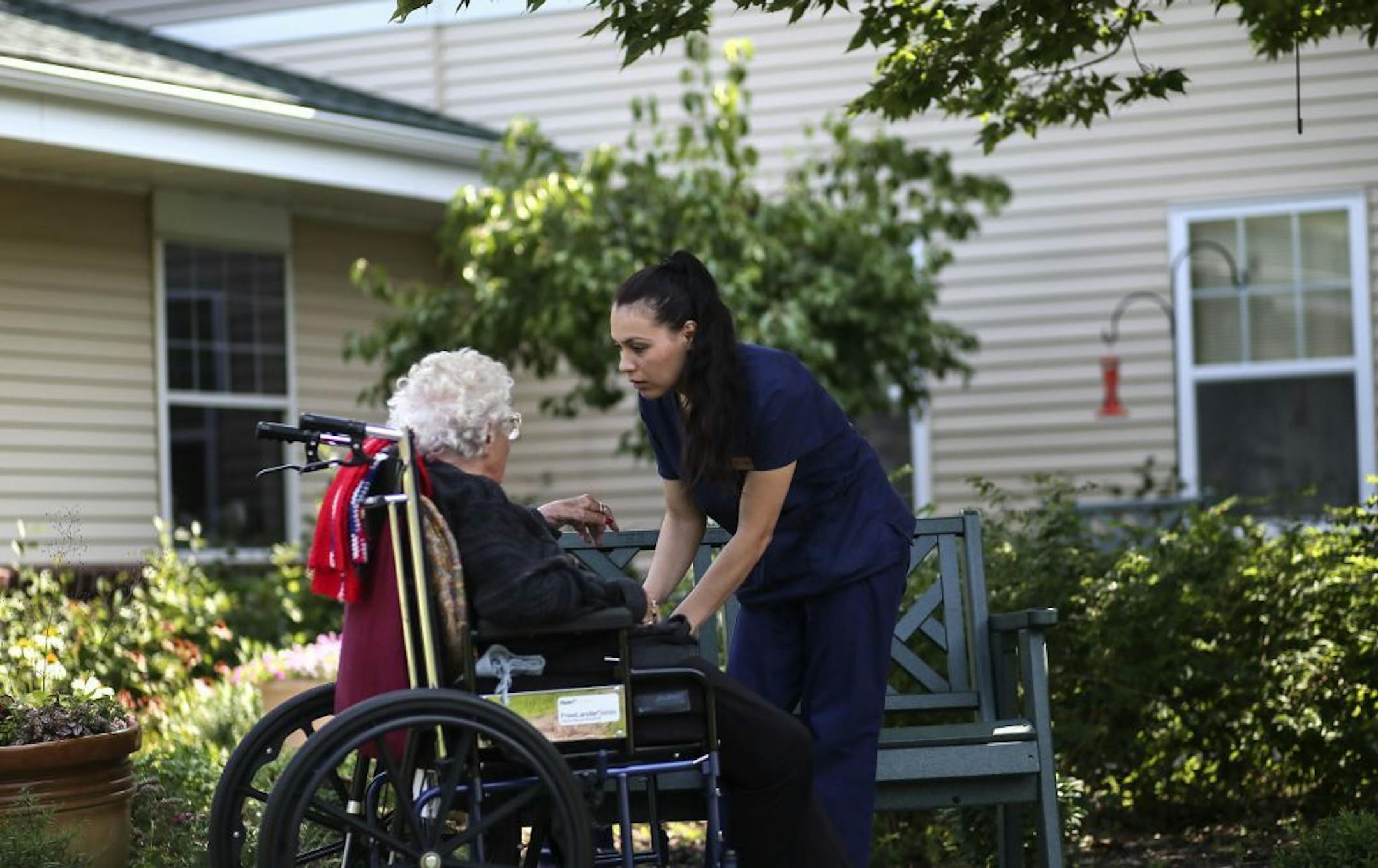
One of its most successful innovations has been hiring geriatric nurse practitioners to staff a night hot line and advise nursing homes on alternatives they can try for residents having medical problems before sending them to hospital emergency rooms.
"If we're decreasing emergency room visits, it's less revenue for us," said Linda Bauermeister, director of nursing and population health for Park Nicollet, which operates Methodist Hospital in St. Louis Park. "But the whole basis for the ACO is how to deliver value to patients for their care instead of services."


