

President Joe Biden just signed into law the bipartisan infrastructure bill. About $680 million will be sent to Minnesota to support clean water initiatives.
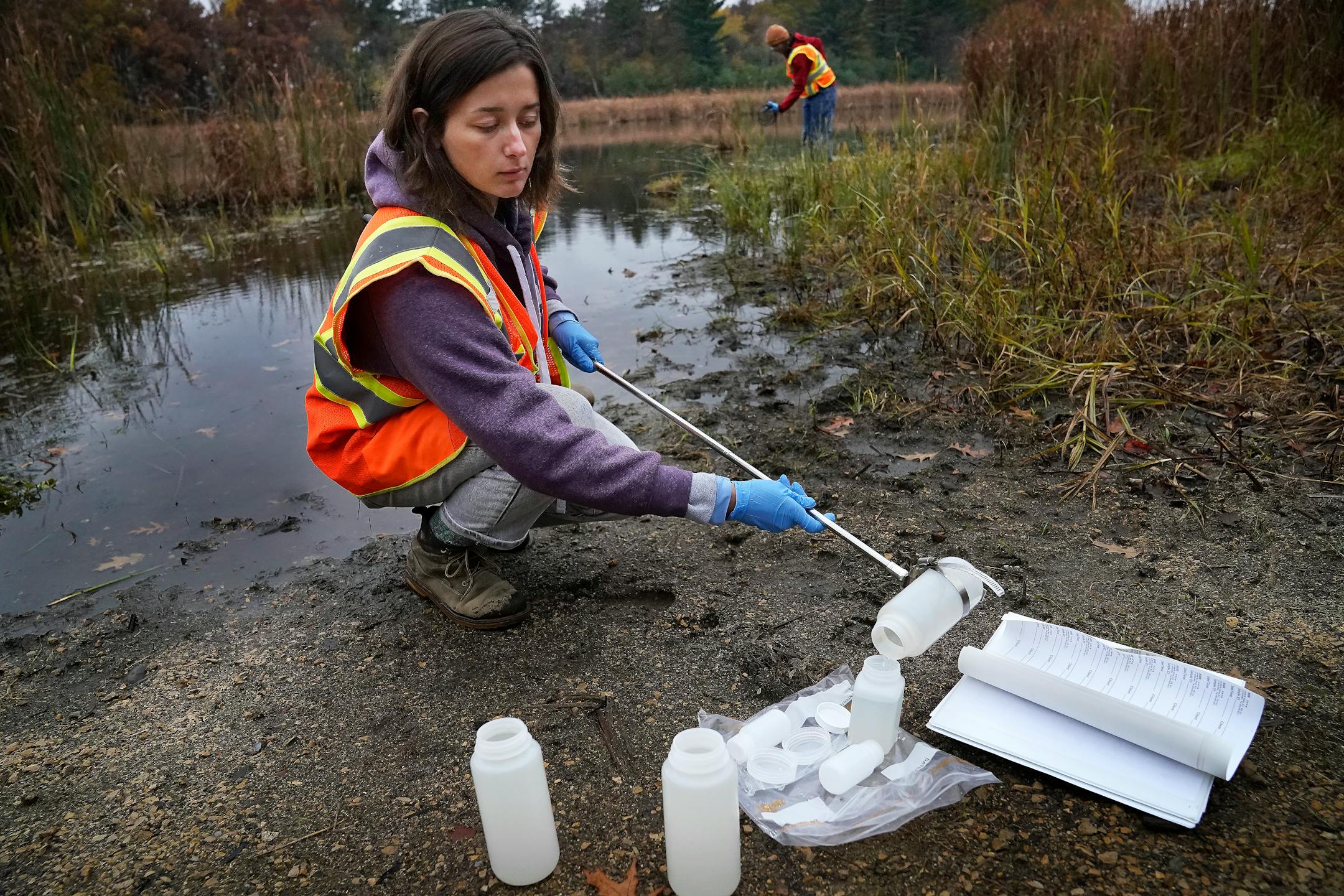
We already know the percentage of our lakes, rivers and streams that are considered "impaired" under the Department of Natural Resources' assessment. What we have not seen is a comprehensive statewide study of all our water resources including lakes, rivers, streams, aquifers and the tributaries that feed into the entire system. A full assessment of the state of Minnesota's waters is needed.
As a kid, I happily swam in almost any body of water in our state. Today, I'm not sure anyone should be swimming in any body of water. Not only have we made most of them unhealthy for humans, but as we continue to pollute our waters, we will eventually turn them into stinking cesspools where no living creature, including fish and frogs, can survive.
We can make choices now to change course. Minnesota should use some of these funds for a comprehensive study of our waters. We elect political leaders to make vital decisions about our future, and protecting our water should be a priority concern for all political leaders. Having sound, complete data and facts, made fully available to the public, would allow our political leaders to create public policy based in science. Such public policy would also hopefully protect, improve and permanently make safe our most important natural resource — the water we need to live.
However, what we may well see is both parties trying to take advantage of these funds. Lobbyists for certain industries will undoubtedly seek to get their hands on them, eventually resulting in suboptimal outcomes for all of us. We must become far more vigilant and hold our elected leaders accountable for achieving outcomes that benefit citizens rather than special interests.
At a minimum, no industrial-scale projects that could harm our waters should move forward in Minnesota until we have completed this detailed study and know exactly how much clean, fresh water we still have left in our state.
We still have time to save ourselves. We should use that time wisely.
Jon R. Olson, Webster, Minn.


