

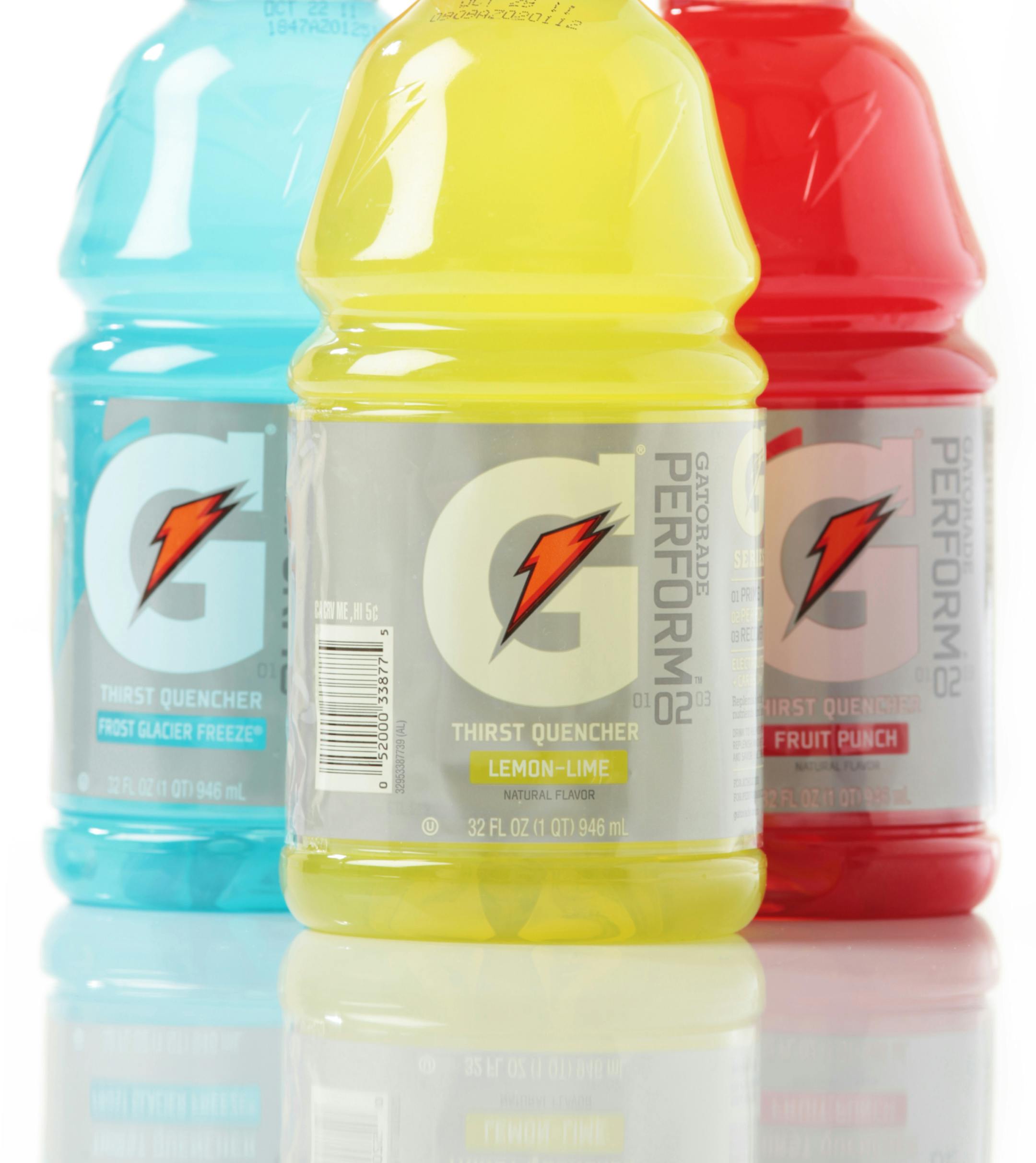
It's a good news, not-so-good news story.
Kids are drinking less soda, but they might be turning to sports drinks, instead.
That means the campaign by public health advocates against sugar-sweetened sodas may have had an unintended consequence: Teens are drinking more sugar-sweetened sports drinks.
The drinks — which are shown in advertisements being consumed by impossibly fit athletes and named for fruits like mango, kiwi and blackberry — are aggressively marketed to teens. The packaging and ads make them look like a healthful alternative to sugary sodas, widely blamed for contributing to obesity, diabetes, tooth decay and other ills.
Now, researchers at Harvard University have found a small but significant increase in the weekly consumption of high-carbohydrate sports drinks among teens. The study, which appeared Monday in the journal Pediatrics, analyzed national data from the 2010 National Youth Physical Activity and Nutrition Survey and the 2015 Youth Risk and Behavior Survey.
In 2015, more than 57 percent of the more than 22,000 high school students surveyed reported having at least one sports drink in the previous week, up from 56 percent in 2010.
Conversely, between 2007 and 2015, there has been a 7.6 percent drop in the number of youths reporting they drank one soda in the previous week, according to data from the Centers for Disease Control and Prevention Youth Risk Behavior Surveillance System.
The Harvard study also found that 31 percent of teens consumed between one and three sports drinks in the previous week, and about 12 percent reported having four to six such drinks.


