When I enter the rain forest of Indonesia's Waigeo Island, the first thing I notice is the equatorial air. It's so thick, I feel as if I'm walking through a cloud.
The next thing that hits me is the deafening hum of cicadas. They drown out the noise of my feet crunching leaves as I step ever closer to my destination: a tiny thatched-roof hut in a muddy riverside clearing.
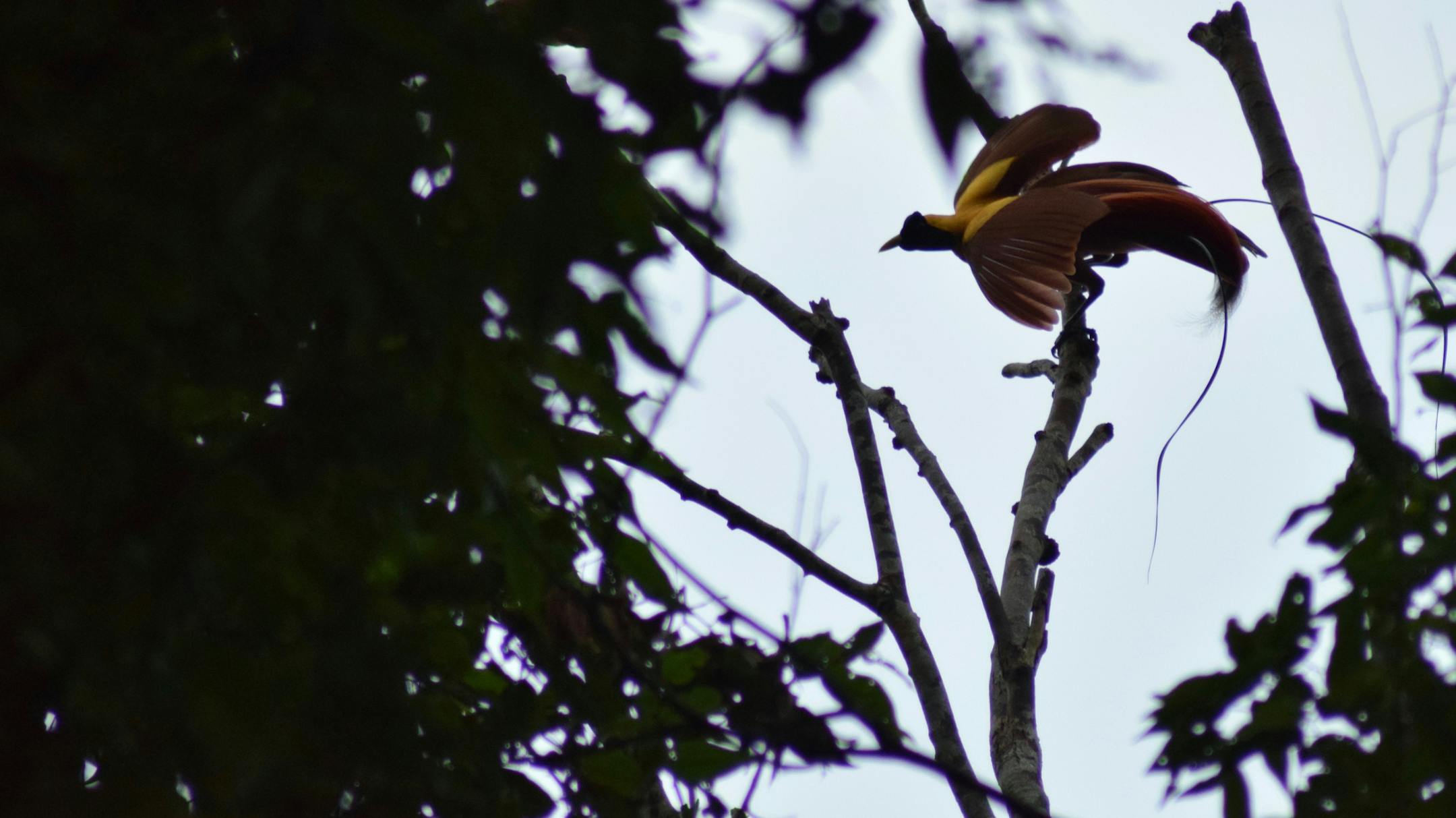
It's hard to imagine spending a single night here, much less two months, but that's exactly what British naturalist Alfred Russel Wallace did in 1860 while studying birds-of-paradise, an aptly named group of about 40 species whose lavish plumage and elaborate courtship dances helped inform early research on evolution.
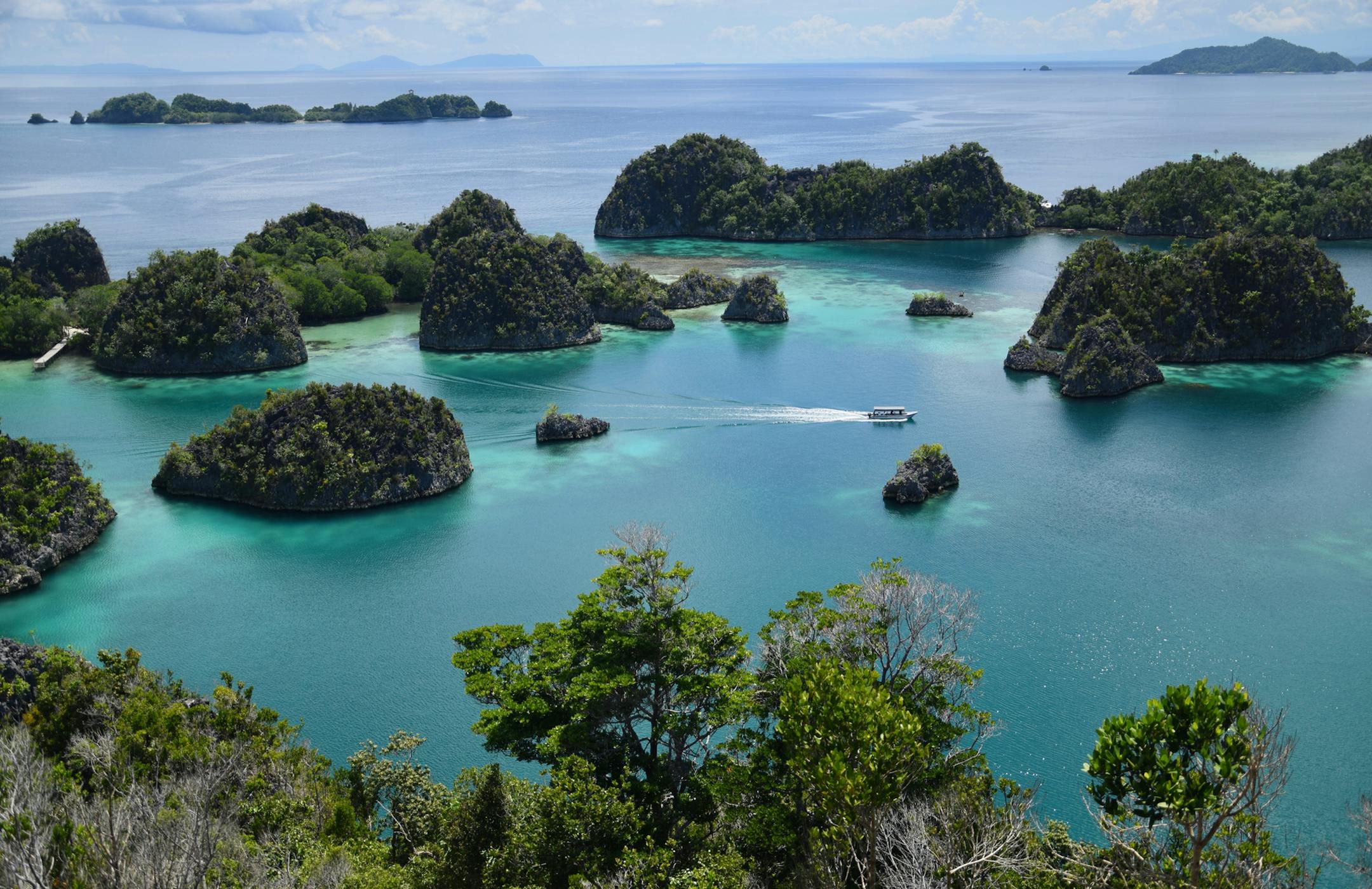
There were actually two men who co-founded the theory of evolution through natural selection. Charles Darwin and the Galápagos Islands are familiar names, but Wallace and the isles he studied, such as this one in the Raja Ampat archipelago, have largely been lost to the sands of time.
Intrigued, I set off on a trip to West Papua, Indonesia, on the western half of New Guinea, for a cruise with SeaTrek Sailing Adventures, which runs 10-day trips on small, two-masted sailboats to remote Indonesian islands (all-inclusive Jewels of Raja Ampat cruise from $5,350). My goal was to trace Wallace's journey and find his beloved birds-of-paradise. Along the way, I would discover a virgin archipelago that remains little changed in the 150 years since Wallace left.
Biodiversity hot spot
The 1,500-odd islands (mostly islets) of Raja Ampat are at the center of the Coral Triangle, a hot spot of marine biodiversity at the crossroads of the Pacific and Indian oceans that's often called "the Amazon of the sea." This wild frontier lies off the west coast of New Guinea, the world's second-largest (and some say least explored) island. Divers from around the world flock here to swim with massive manta rays and glide through undersea forests of brain corals, blue staghorns and orange sea whips.
In recent years, the islands have emerged as a trendy destination for nondivers, too, with new live-aboard expedition boats, eco-resorts and village home stays (with over-the-water bungalows for less than $25 a night). Two new airports have made it more accessible than ever.
I began my own journey in the port city of Sorong, a haphazard collection of basic homes, modern offices and karaoke bars at the tip of New Guinea's Bird's Head Peninsula. I set sail the following morning toward Misool, the Raja Ampat island at the heart of a 300,000-acre marine reserve.