

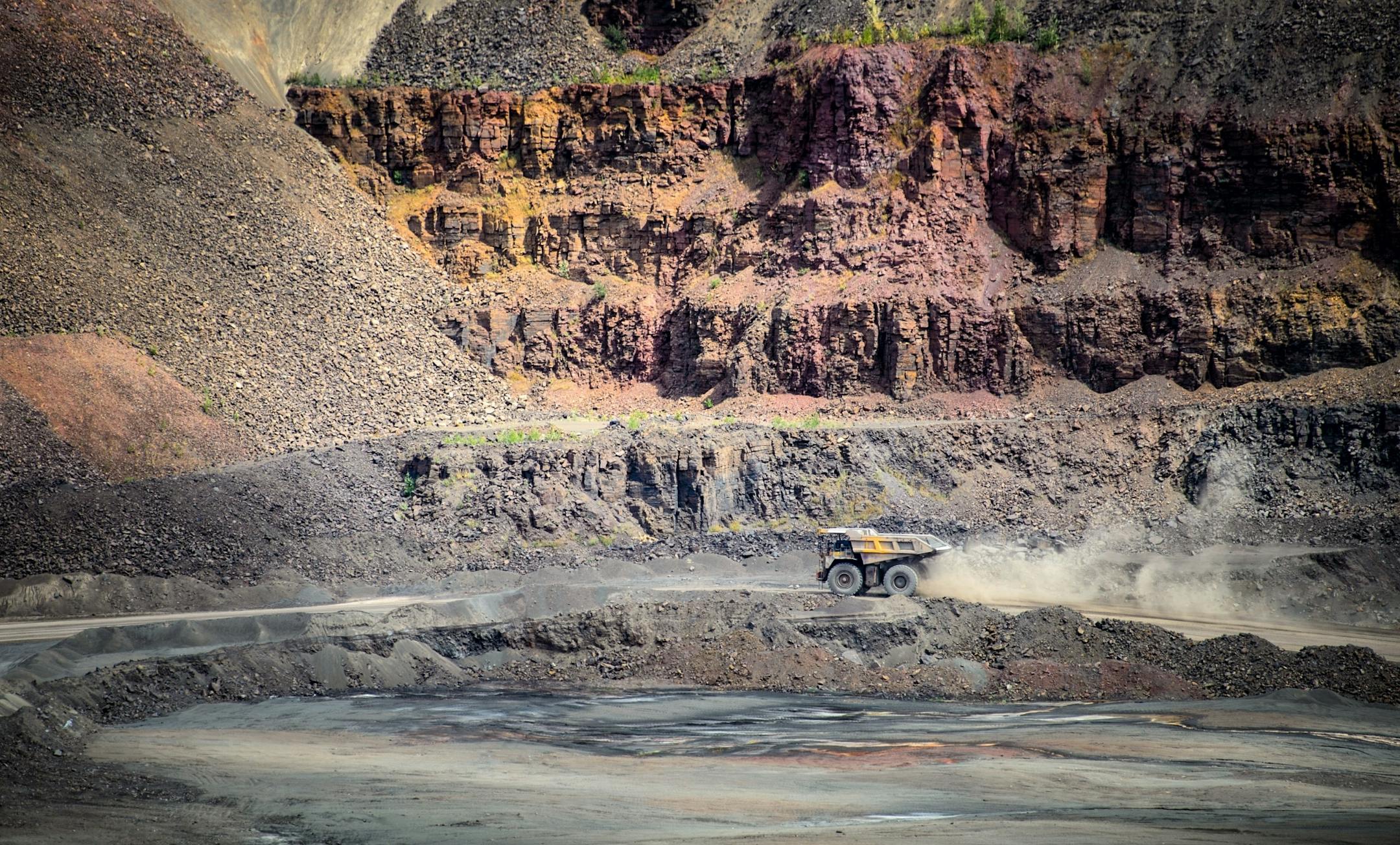
A long-running dispute over pollution from taconite mines finally landed in court Wednesday when three environmental groups sued the state of Minnesota, charging that it has allowed the massive Minntac waste pit in Mountain Iron to degrade lakes and trout streams for decades.
The 10-mile long tailings pit, owned by Pittsburgh-based U.S. Steel Corp., operates under a permit that expired 24 years ago and has not been updated with more recent standards designed to protect water, wildlife and wild rice. As a result, the suit says, the tailings basin is discharging water that violates seven state pollution limits and has destroyed the wild rice that once thrived in two nearby lakes.
"There are many industries in Minnesota that comply with the Clean Water Act, and the [state] effectively regulates them," said Hudson Kingston, an attorney with the Minnesota Center for Environmental Advocacy, which filed the suit in Ramsey County District Court on Wednesday. "But the mining industry has not been one of them."
A spokesman for the Minnesota Pollution Control Agency (MPCA), the lead regulator, said the agency is aware of the lawsuit but is not able to comment. Officials at U.S. Steel also declined to comment.
Minntac's tailings permit has long been a sore point with environmental groups, Indian tribes and the U.S. Environmental Protection Agency (EPA). At least 15 of the state's mining permits have expired, but Minntac's is the oldest.
U.S. Steel has taken steps to collect tainted water and monitor pollutants at the Minntac operation, but the MPCA has been working on a new permit for years. One critical issue is how the state enforces its long-held standard regulating sulfate; the pollutant forms when waste rock is exposed to air and water, and can damage wild rice. Sulfate also contributes to a chemical process that can turn mercury into an organic form that contaminates the food chain, building up as a toxin in game fish and other wildlife.
In 2015, U.S. Steel officials warned the Legislature that mining jobs could be jeopardized if Minnesota tried to enforce the sulfate standard. After that, officials with the MPCA said they would not issue a new permit for Minntac until they had crafted a revised sulfate standard, which is now expected to be completed in 2018.
The lawsuit asks the judge to order the MPCA to issue a new permit for Minntac by a certain date — one that includes limits on discharges from the tailings basin and that complies with state and federal laws. It also asks the judge to require the MPCA to prevent Minntac from polluting water, air or destroying natural resources around the facility.


