A new place to look for birds, at least one I didn't know about (there are many of those), is highlighted in the Fall edition of the Ruffed Grouse Society magazine. The story is not intended for birders, but for hunters. However, this land-restoration project has a lot to do with songbirds.
All land maintained for hunters should interest birders, as far as that goes. Birders differ from hunters basically in the tools brought to the pursuit. (Well, yes, we don't put our birds on the menu.)
Anyway, work on a 255-acre parcel of land adjacent to Camp Ripley, near Little Falls, has created habitat good not only for grouse and woodcock, but also for songbird species found in young forests.
The land is located on the west side of County Road 1 which runs north from Randall and south from Pillager, northwest of Little Falls, in Morrison County.
A young forest grows on land that burned or from which timber has been harvested. The progression of regrowth creates a varied and changing habitat that in turn meets the needs of a variety of species.
Restoration was a joint project undertaken by the Minnesota National Guard, the Minnesota Department of Natural Resources, the Brainard chapter of the Ruffed Grouse Society, the Minnesota Deer Hunters Association, and the Pillager High School biology department.
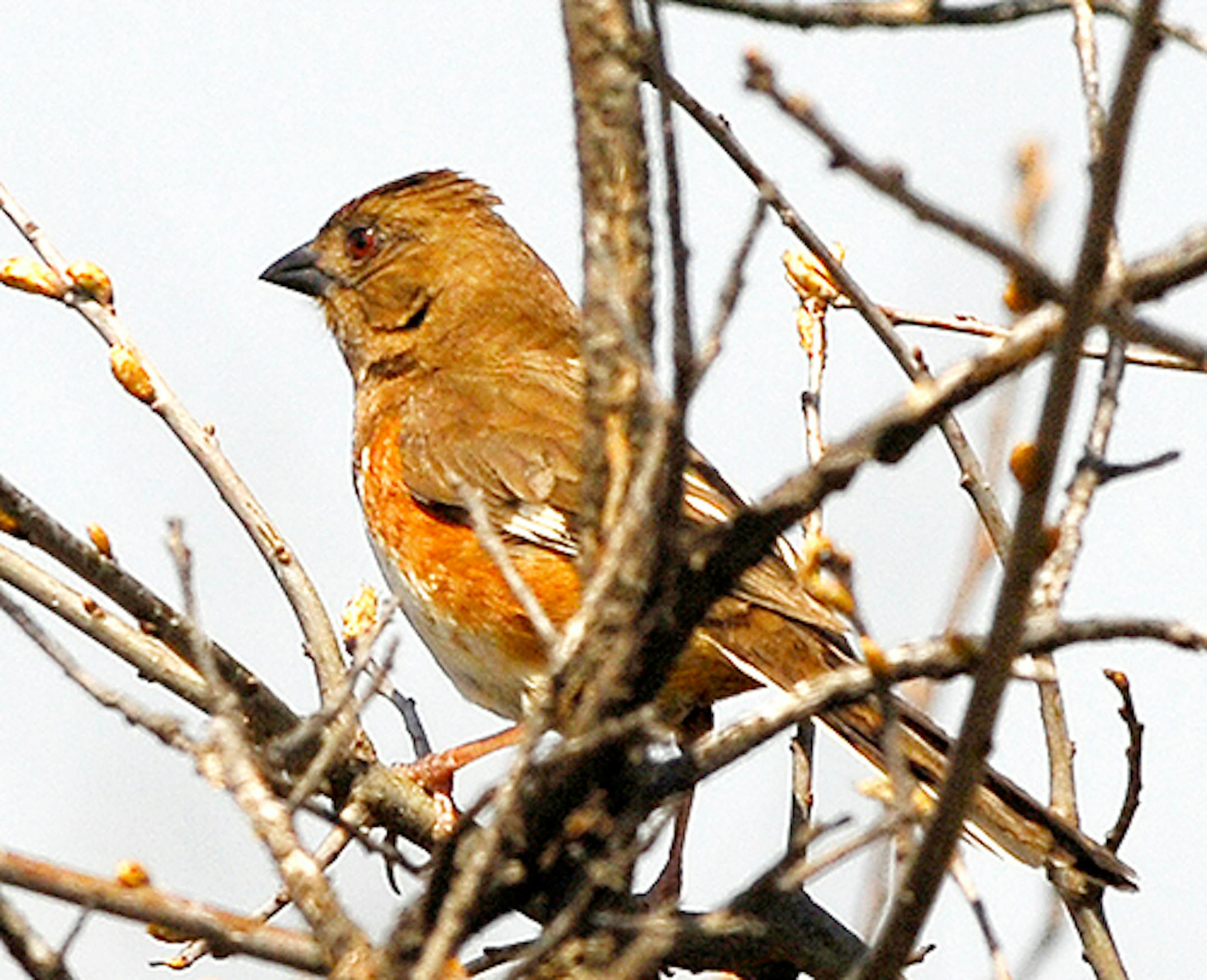
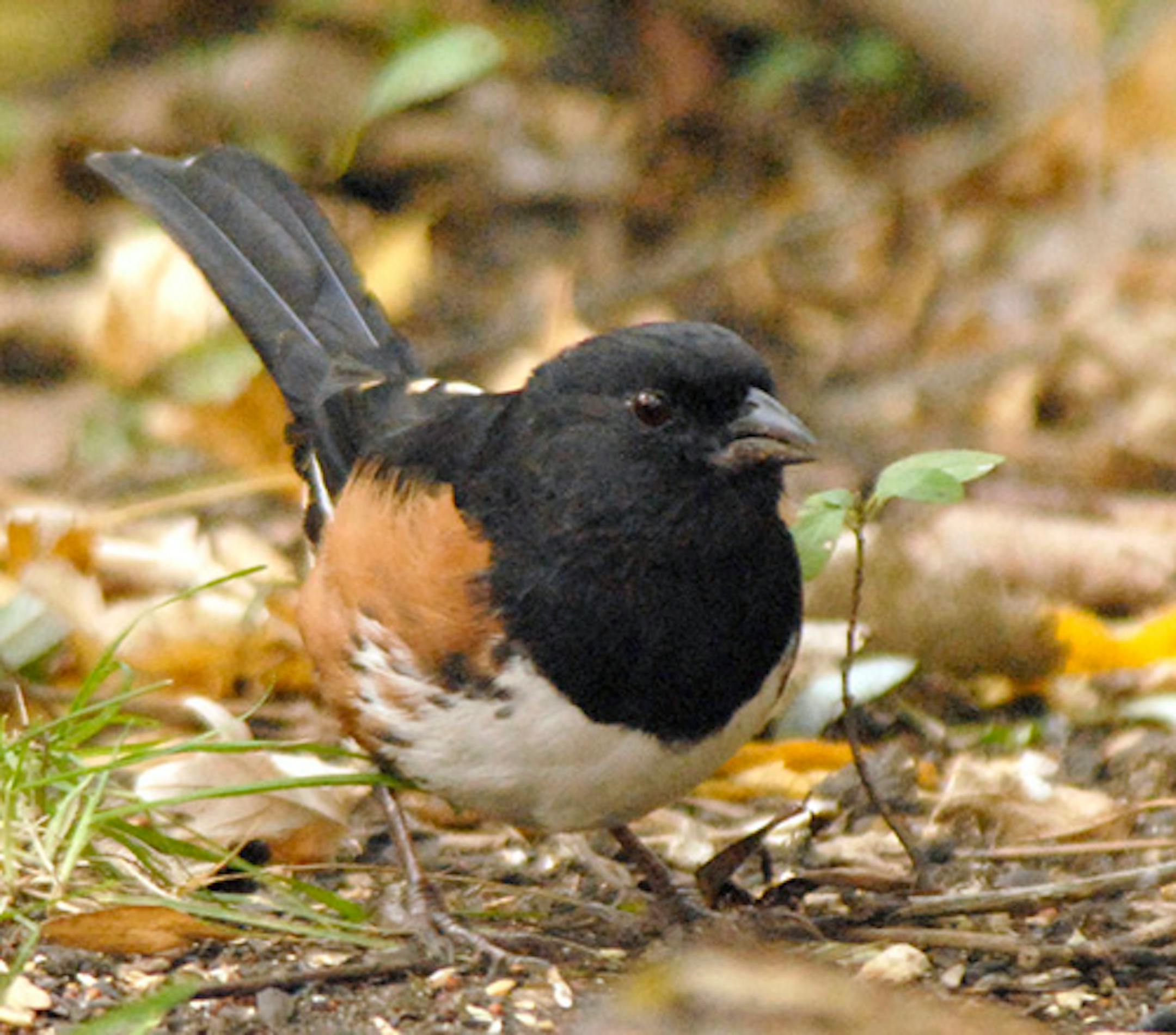
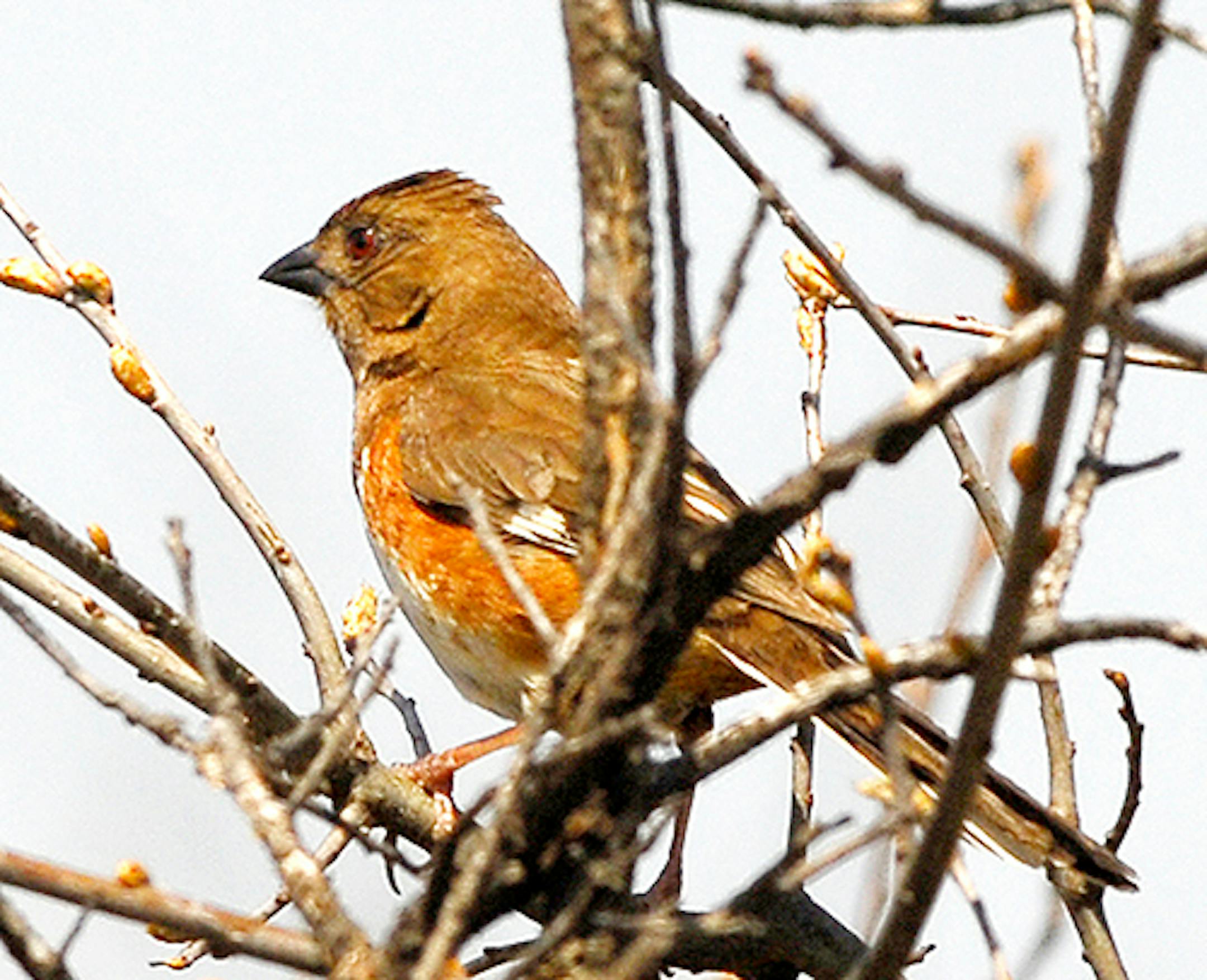
There are species that nest in early-successional forest land, Eastern Towhee, Golden-winged Warbler, and Clay-colored Sparrow, for example. And there are birds that nest in mature forest, then choose younger habit post-nesting to find a better food source.
The project includes a variety of habitats. Some timber will be harvested. New trees and shrubs will be planted on grassland and a former gravel pit. Parking areas are marked, and 4.5 miles of trails have been created. Interpretative signs will be included, courtesy of the high school students.