


Jessica McClintock, a fashion designer who outfitted generations of young women for their homecoming dances and proms, supplied their bridesmaid dresses and bridal gowns and thus evoked for many a lace-draped aura of nostalgia, died Feb. 16 at her home in San Francisco. She was 90.
She had congestive heart failure, said a half-sister, Mary Santoro.
For more than half a century, ever since she struck out in California as a divorced mother with an untrained but keen eye for fashion, McClintock was one of the most popular designers of affordable formal wear for young women.
If a red carpet blazed the way to an average high school dance, and celebrity reporters craned over the velvet rope to pepper arrivals with that time-honored query - "Who are you wearing?" - the name "Jessica McClintock" would surely become a familiar reply.
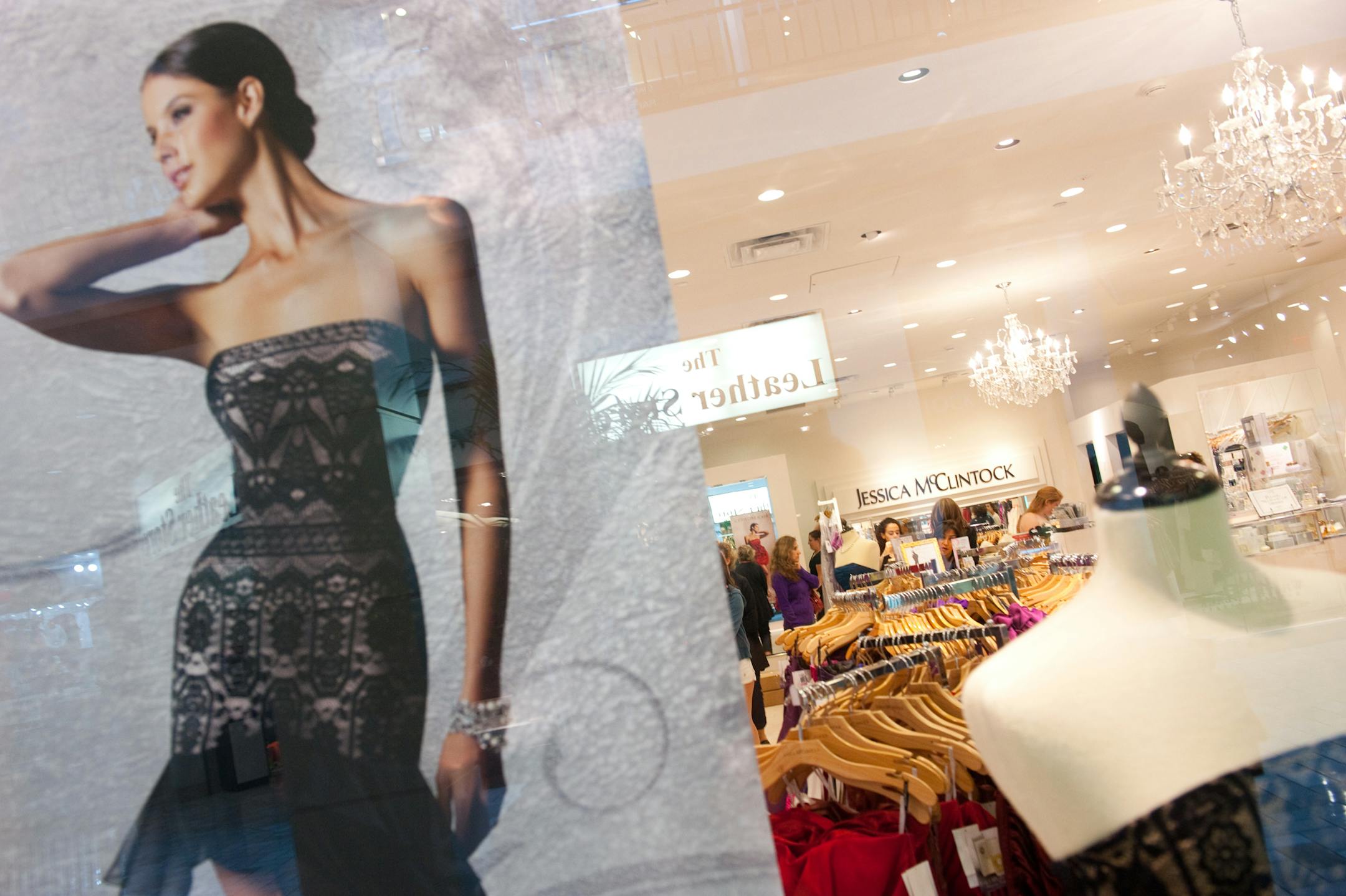
For brides who did not wish to bankrupt themselves or burden their bridesmaids with the purchase of dresses in the four-digit price range, McClintock became a go-to label for attractive options. Perhaps the most famous bride to don a Jessica McClintock frock was Hillary Rodham when she married a Yale Law School classmate, Bill Clinton, in 1975. The dress was long-sleeved and lacy, with a ribbon in front - purchased, according to Brides magazine, for $53 at the Fayetteville, Ark., mall.
"Poufy-sleeved, pastel, and pretty dresses were purchased for sweet sixteens, quinceañeras and other [once-in-a-lifetime] occasions," read an obituary for McClintock published in Women's Wear Daily, which in 1997 ranked her seventh on its list of most recognized labels. "That emotional connection helped to make the brand a favorite throughout the country, especially among middle America."
McClintock's aesthetic changed over the years, from the flowing calico prairie dresses of the 1970s to the taffeta minis favored by later generations. She was perhaps best known for a lacy look that evoked all manner of historical associations.
A reporter for the Wall Street Journal described her party dresses as "steeped in the imagery of Victorian romance and virginal sex." People magazine in 1984 described one of her lines as "Gatsbyesque." A paid death notice published in the San Francisco Chronicle depicted an early collection as aspiring to an "Edwardian and Renaissance look."


