

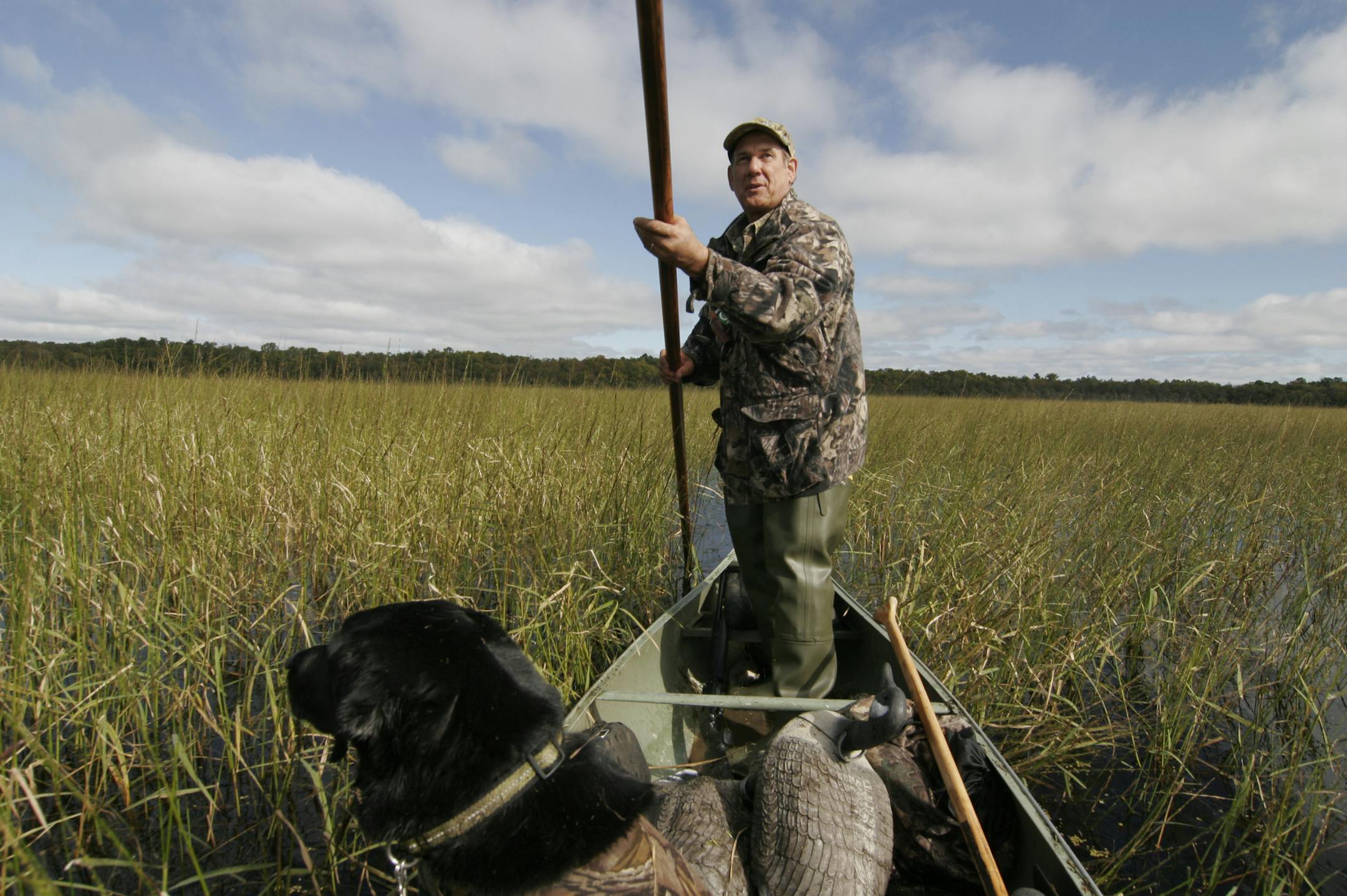
Gov. Mark Dayton and top state pollution officials abruptly reversed a decision to publicly affirm a long-standing and highly contentious water-quality rule designed to protect wild rice after Iron Range legislators intervened in late February, according to internal records and e-mails.
The sudden scramble, which left observers puzzled at the time, provides an unusual close-up look at the intense political, economic and environmental stakes in the three-year fight over protecting Minnesota's most beloved plant from pollutants generated by mining and other industries.
For now, the stringent rule is on the books, but its future is still uncertain.
The Minnesota Pollution Control Agency (MPCA) was set to announce Feb. 27 that, after three years of debate and $1.5 million in taxpayer-paid research, it would issue a preliminary recommendation that the 40-year-old rule protecting wild rice "was reasonable and should remain in effect," according to documents obtained by the Star Tribune under public records laws.
But the announcement was postponed at the last minute, and that recommendation never saw the light of day.
Instead, two weeks later, Commissioner John Linc Stine said the MPCA needed to conduct further studies, bring in outside experts to review the science and engage the public in discussions about the impacts.
In an interview last week, Stine said he changed course in response to "frustrated" legislators who feared that even a preliminary recommendation by his agency would have a major chilling affect on mining firms and other employers important to their districts.
Stine also said that the more muted tone the agency adopted was intended to do a better job of explaining the complicated balancing act between taconite and wild rice.


