

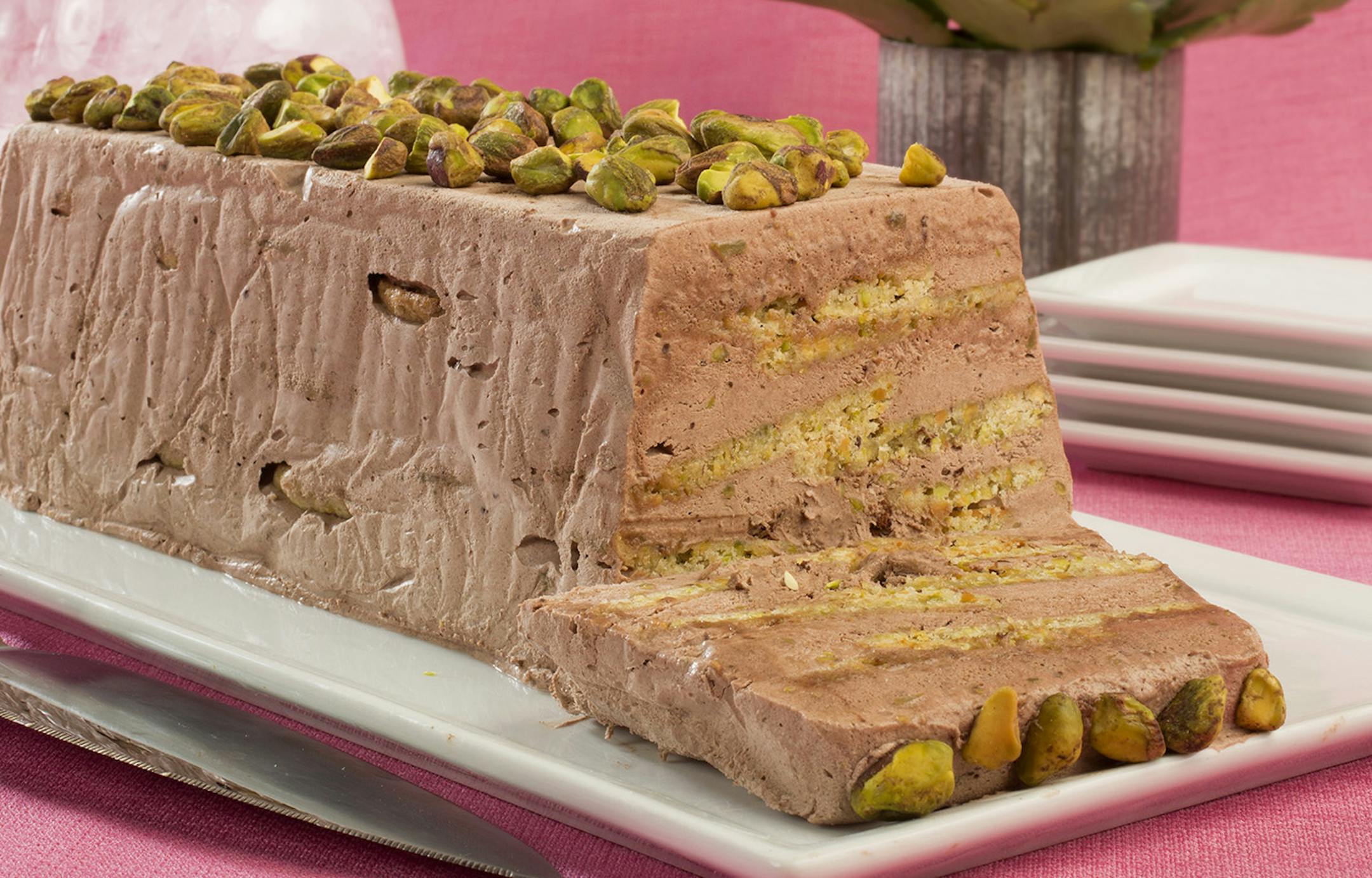
An icebox cake is totally old-school. And totally perfect for Mother's Day.
Why? Because when you were a kid, maybe Mom or Grandma helped you arrange vanilla wafers, banana slices and pudding in a pan, slathering it with whipped cream before chilling it. Then you devoured every last sweet bit.
And because it's a dessert enjoying a renaissance, judging by the uptick in cookbooks on the subject in the past few years, including the latest: "Icebox Cakes: Recipes for the Coolest Cakes in Town" (Chronicle Books, $18.95).
Jessie Sheehan co-wrote the book with Jean Sagendorph and suggests the dessert's popularity is linked to our appetite for homey, comfort foods: "It's in the same school as the cupcake phase and the whoopie pie phase."
Of course, an icebox cake doesn't use cake. Instead pudding and whipped cream soften crisp cookies to a cakelike texture. And while the "icebox" became a refrigerator a long time ago, the name has stuck to this dessert with a sweet pedigree; its ancestors include French chef Marie-Antoine Careme's custard-and-ladyfinger charlotte and England's trifle.
Credit its creation to a culinary convergence early in the 20th century: refrigerators became common household appliances, foodmakers began packaging cookies (i.e. Nabisco's Famous Chocolate Wafer) often with recipes on the package, it was simple to make and newspaper food columnists were developing recipes using what they called "boughten" cookies. As one 1932 story noted, those cookies on their own are "really not half so exciting as serving them as shivery icebox cakes."
By the 1950s, write Sheehan and Sagendorph, the icebox cake "was the darling of the dessert table."
Their book goes beyond "boughten" cookies with recipes for made-from-scratch wafers, graham crackers and ladyfingers layered with puddings, whipped cream or both. And it takes the cake into the 21st century with 25 intriguing recipes, including red velvet, Mexican chocolate spice, chai-ginger, black pepper-rum and lavender-blueberry.


