Early in the evening last St. Patrick's Day, Jim Meis stood up from his chair, looked his longtime partner, Trudy Lohre, in the eye and said, "I'm going to die." "Oh no, you're not," she said, leaping for the phone to dial 911. Then he said it two more times - "I'm going to die" - and collapsed at her feet.Lohre threw down the phone and started pressing his chest until the ambulance arrived.
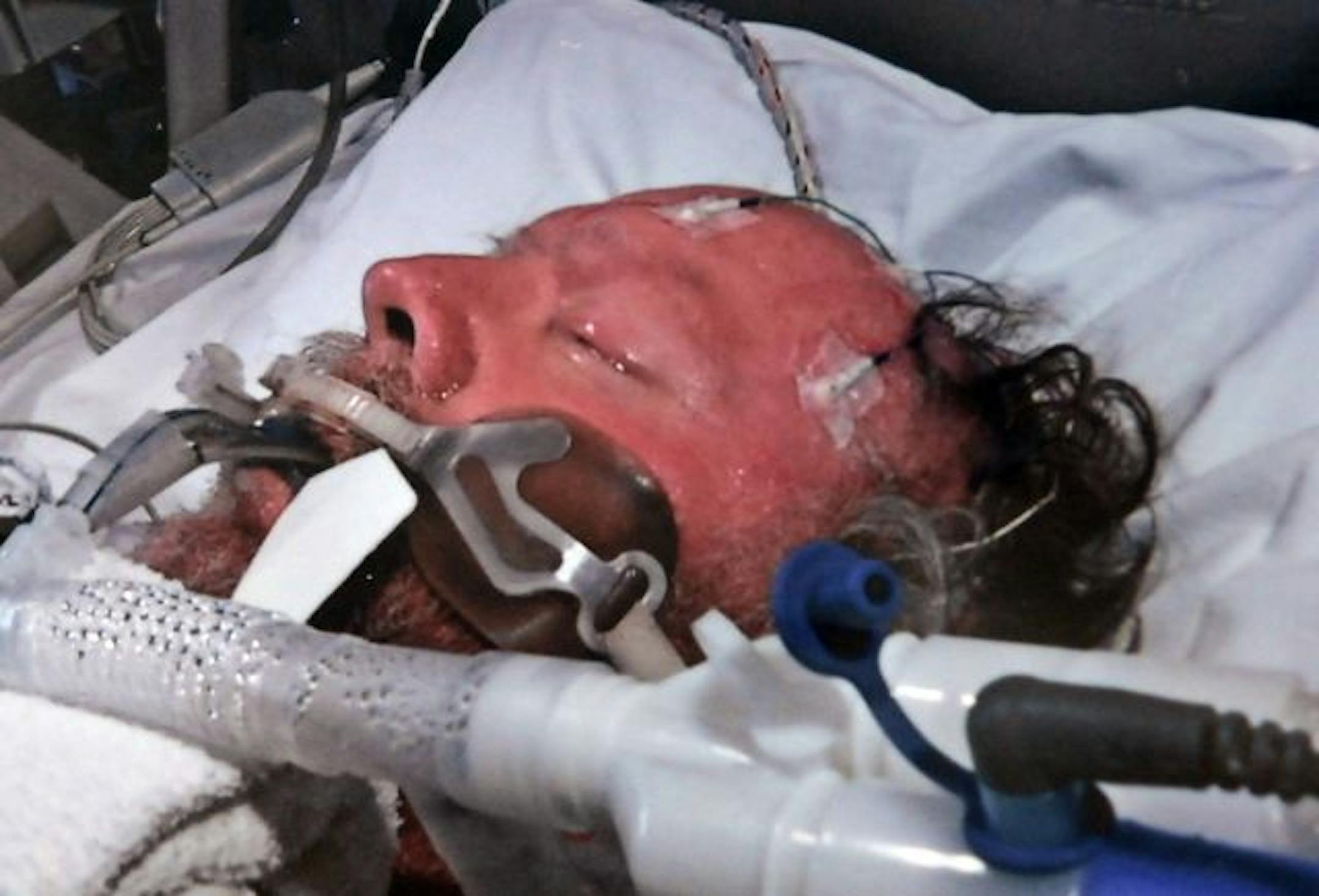
Lohre was right. Meis, 60, didn't die that day. About an hour after he collapsed at his home in Monticello, he was landing on the helipad at Abbott Northwestern Hospital in Minneapolis, pumped full of drugs and with a breathing tube down his throat.
Meis' survival that harrowing night is the story of a community with a rare combination of medical assets: civilians trained in CPR, state-of-the art emergency care and cutting-edge cardiac medicine.
But his longer story -- a dozen near-death experiences since he was a young man -- also describes three decades in the evolution of heart disease and cardiac medicine. It also explains why deaths from heart attacks are on the wane in the United States -- while a very different cardiac ailment, chronic heart failure, is a growing epidemic, and the demand for heart transplants is relentless.
"We are the victims of our own success," said Meis' cardiologist, Dr. Mark Houghland.
Meis had his first heart attack at 32. He was digging fence post holes in a field near New London, Minn., when he felt chest pain and shortness of breath. His mother had died of a heart attack when she was just 52, so he knew the signs.
He turned to his co-worker in amazement and fear. "I think I'm having a heart attack," he said.
They drove to a clinic in New London. His doctor called an ambulance, and Meis was treated at a community hospital.