

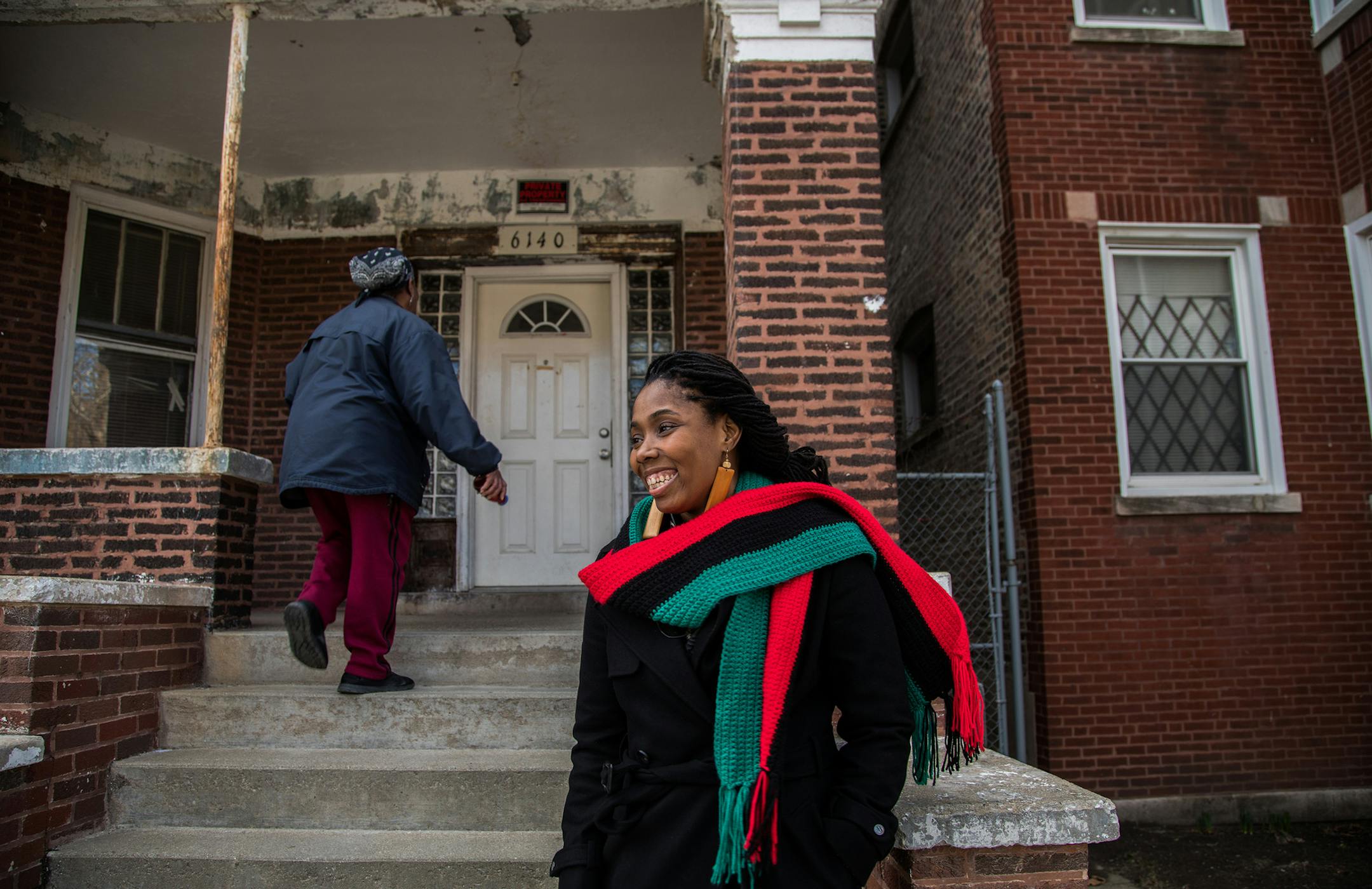
With its boarded-up windows, the abandoned three-story mansion doesn't look historically significant.
But in the 1930s, the greystone was where Melissia Ann Elam, a woman born into slavery and later emancipated, provided housing and social services to other black women and girls who came to Chicago during the first wave of the Great Migration.
For years, this site and others where black women labored to serve their South Side communities have gone unnoticed. But two women are releasing a guidebook that maps where more than 40 black women landed during the 1800s and early 1900s and worked to transform life for African-Americans.
Some, like social justice crusader and journalist Ida B. Wells; poet and Pulitzer Prize winner Gwendolyn Brooks, and pilot Bessie Coleman, are well known. But most of the women in the book, "Lifting as They Climbed," have faded into history, even as their work in medicine, the fine arts, organizing and housing continues to touch lives.
"I want people to think about what these women did, the stories they told, the music they made, the institutions they built and how it's connected to black women's lives today," said co-author Mariame Kaba.
The project comes during a national conversation about how black women's contributions have been erased from history and what that has meant for women who have followed in their footsteps.
There are tours that highlight historical landmarks important to the black community, but this project is unique because it is centered on significant women — specifically points to their homes, churches, schools and businesses. For example: the crumbling three-flat in the 6100 block of South Rhodes where writer Lorraine Hansberry grew up in the 1930s. It inspired the play "A Raisin in the Sun."
"I want young girls to visit these places and see what black women built," Kaba said.


