You're not going to want to hear this, but listen up anyway:
Do your yard work — now.
Every chore you tackle in the fall makes your lawn that much better in the spring — and your spring chore checklist that much shorter.
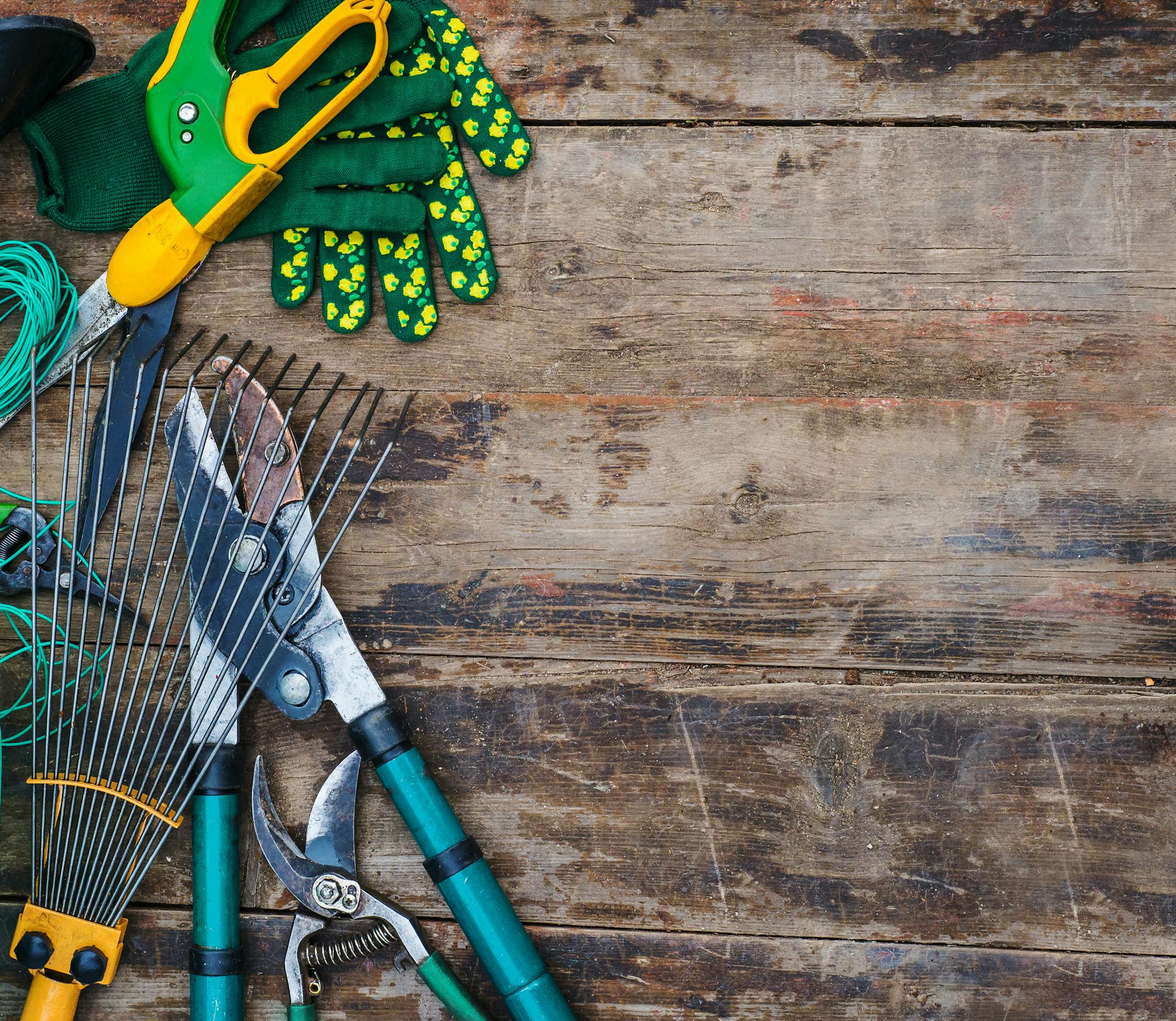
So that means you do need to rake, especially if you have lots of leaves. Raking removes the thick layer of leaves that can form over winter, leading to snow mold and spring grass kills.
Instead of sending all of your leaves to the composter, bag the leaves and use them to mulch your perennial and vegetable beds and around trees and shrubs. Wait to mulch until the temperature drops in late October or early November.
(I also save bags of leaves to use as summer mulch, especially around my newly planted vegetables. Gathering up leaves is cheaper than buying mulches. And leaves are hard to find in the spring.)
You don't have to bother raking if you have few leaves in your yard. Just mow over them a couple of times and leave them on the lawn. When they break down, they'll act as a natural fertilizer.
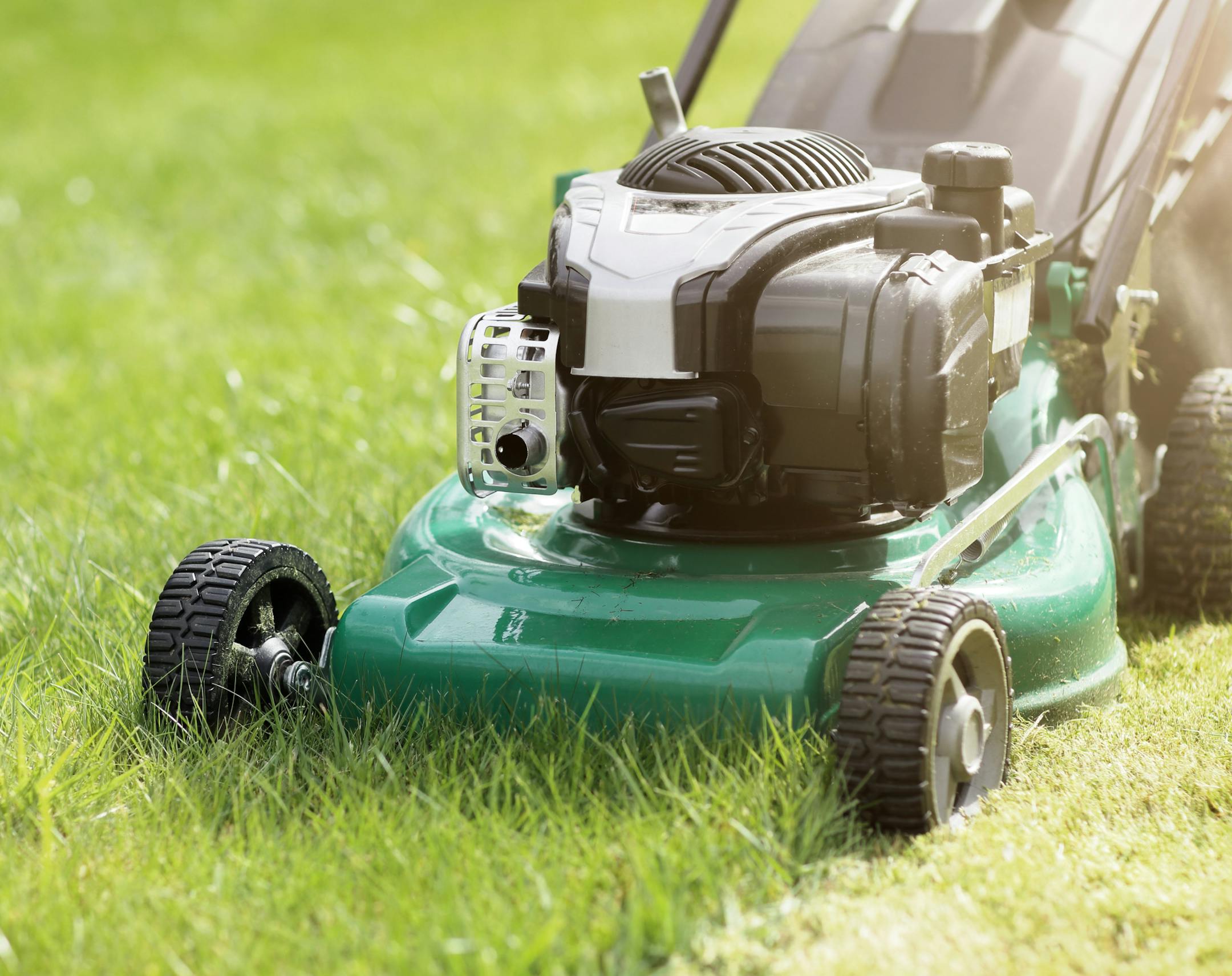
Speaking of mowing, don't head into the winter with grass so long that it falls over. Give your lawn one last mow so it's about 2 inches long.