

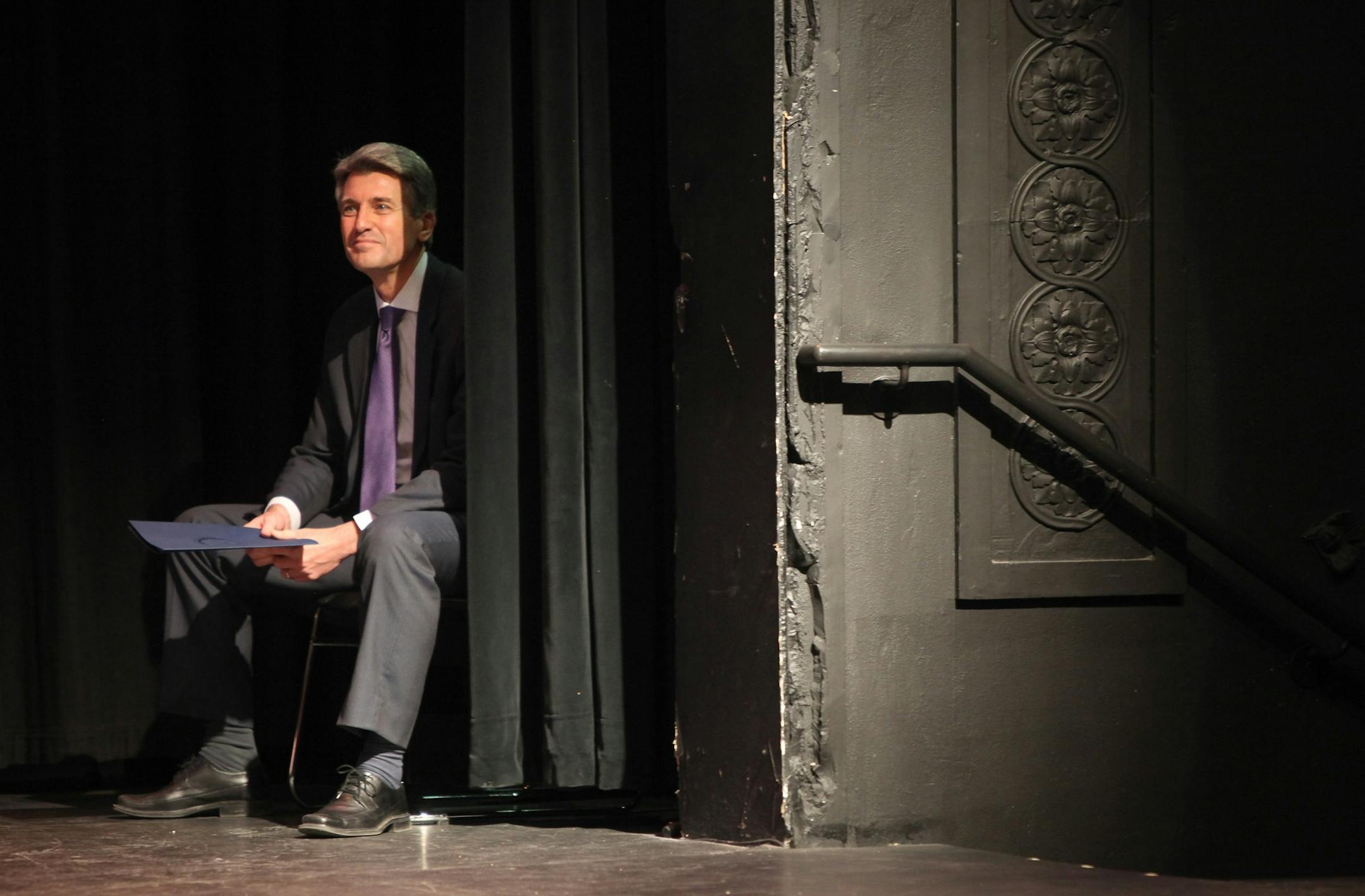
Mayor R.T. Rybak has given the city of Minneapolis 11 years of vigorous, visionary leadership and the promise of just one year more. He announced on Dec. 28 that he won't seek re-election.
That means he's also giving his city an opportunity for something that might not have happened had he opted for a fourth term: There's a chance that in the next 10 months a lively mayoral contest will ensue, one that engages a large share of the city's voters and builds a mandate on which the next mayor can stand and the city can grow.
Rybak's achievements and popularity made the 2009 mayoral campaign a yawner. It did little to advance citizen understanding of the challenges the city faces in the next decade as it confronts shrinking federal and state aid and rapid demographic change. A citywide discussion is in order about how best to grow the property tax base, maintain public safety, renew aging infrastructure and make the most of an aging and increasingly diverse population.
Rybak's retirement does not ensure such an election in 2013. Neither does the colorful cast of political characters who are either officially in or are known to be considering mayoral bids.
For Minneapolis to have the constructive, forward-looking campaign it deserves, the city's dominant DFL Party also must do its part. It should revise its endorsement practices to avoid short-circuiting the mayoral race before it has begun for rank-and-file voters.
The party should create conditions that allow several strong candidates to take their bids to the Nov. 5 ballot. At a minimum, delegates could refrain from insisting that contenders for endorsement promise to end their campaigns if they are losers at the June 15 convention.
Alternatively, DFL candidates for mayor could agree, with at least tacit support from party officials, that they will make no pledge to "abide" if their convention bids come up short.
Or the party could do as a blue-ribbon state election reform commission recommended 15 years ago: It could bestow multiple endorsements, allowing up to three candidates to proceed to the ballot with official DFL blessing. In the spirit of the city's ranked-choice voting system, the party could rank candidates and share its campaign resources proportionately among them.


