

Opinion editor's note: Star Tribune Opinion publishes a mix of national and local commentaries online and in print each day. To contribute, click here.
•••
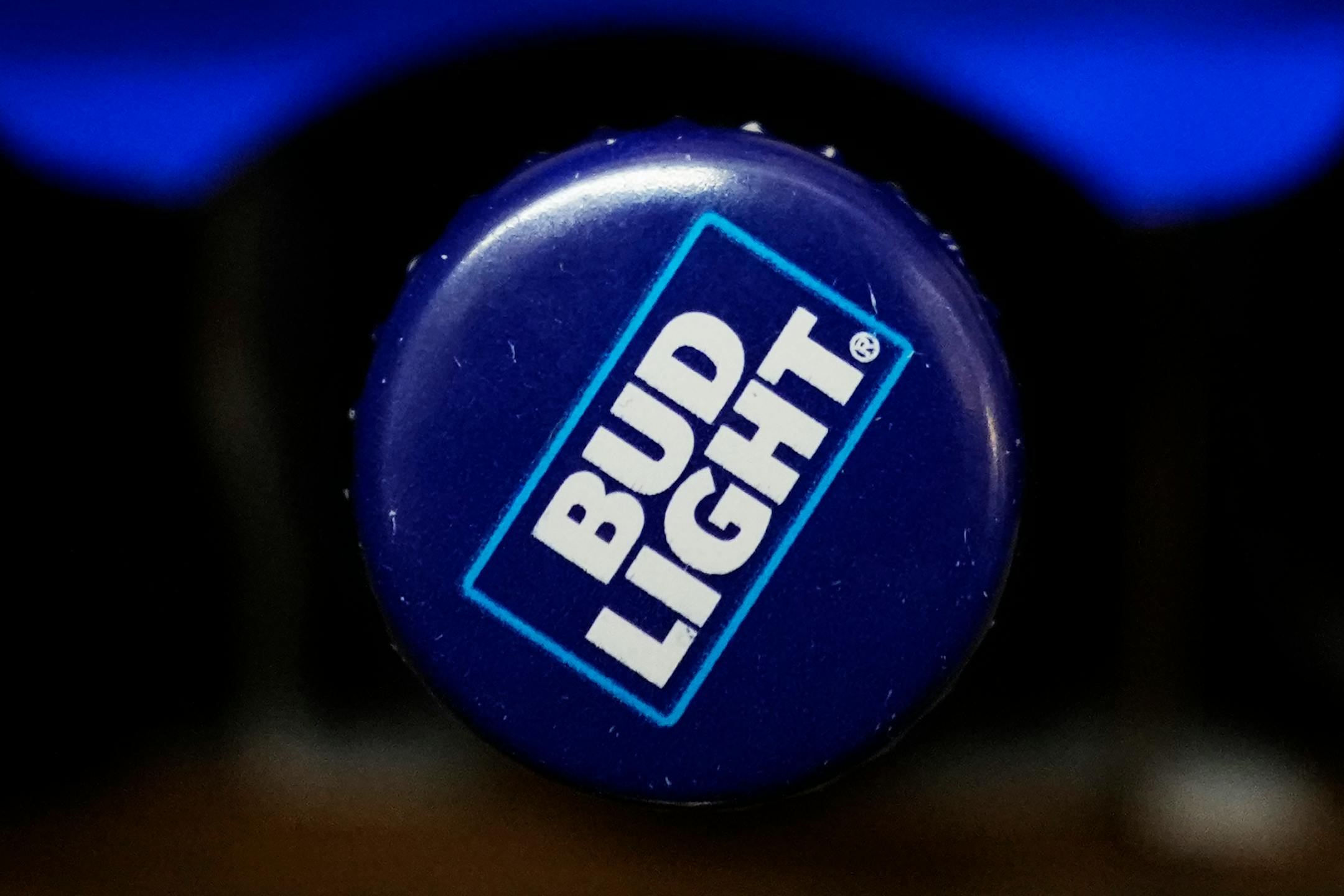
A considerable number of Americans appear to believe that Bud Light, a beer owned since 2008 by the Belgian multinational corporation Anheuser-Busch InBev, stands for a set of values that does not include transgenderism. This became clear this past month after the transgender activist Dylan Mulvaney posted on Instagram an informal video advertisement for Bud Light that featured a photo of a promotional tallboy can sporting an image of Ms. Mulvaney's face.
You may have caught wind of what followed: widespread outrage from social conservatives, calls for boycotts of the beer by country stars and rappers (including Kid Rock, who released a video in which he destroyed cases of Bud Light with an assault weapon), a significant drop in Bud Light's sales in one week and the loss of about $5 billion in market capitalization. Since then, Bud Light's owner announced that two of its executives were taking a leave of absence.
Other than some passing discomfort for shareholders, everything about what I hope no one will be tempted to call Bud Light-gate has an air of unreality. In addition to Bud Light, InBev owns Corona, Stella Artois, Michelob, Beck's, Modelo and many other beer brands. Given the sweeping homogenization of global corporate culture and business practices, InBev's politics are roughly the same as those of all major companies: a combination of cutthroat economic libertarianism and progressive human resources-style "sensitivity" with which few Americans wholly identify.
Despite the passionate claims about its unique identity and its conservative political profile, the only value driving Bud Light, or any other consumer good available on a global scale, is the remorseless logic of shareholder value. That makes it hard to coherently express your politics with your beer preferences.
This was not always the case. In the 1970s, when Burt Reynolds and Jerry Reed set out from Texarkana to Atlanta to deliver a truckload of Coors Banquet in the movie "Smokey and the Bandit" and the country singer Johnny Paycheck was composing dithyrambs in praise of "Colorado Kool-Aid" ("Well, it's a can of Coors brewed from a mountain stream / It'll set you head on fire an' make your kidneys scream"), there was a real sense in which Coors was a right-wing beer.
The Coors family, which generally considered Richard Nixon an embarrassing squish, opposed unionization of its breweries, supported Ronald Reagan and donated large sums to the nascent Heritage Foundation. Unpasteurized, lacking preservatives and unavailable in Eastern states, Coors was alternately regarded as raffish and déclassé, promoted by cowboy stars and denounced by the gay rights leader Harvey Milk. In the words of a television spot from 1979: "It's not city beer. It's Coors."


