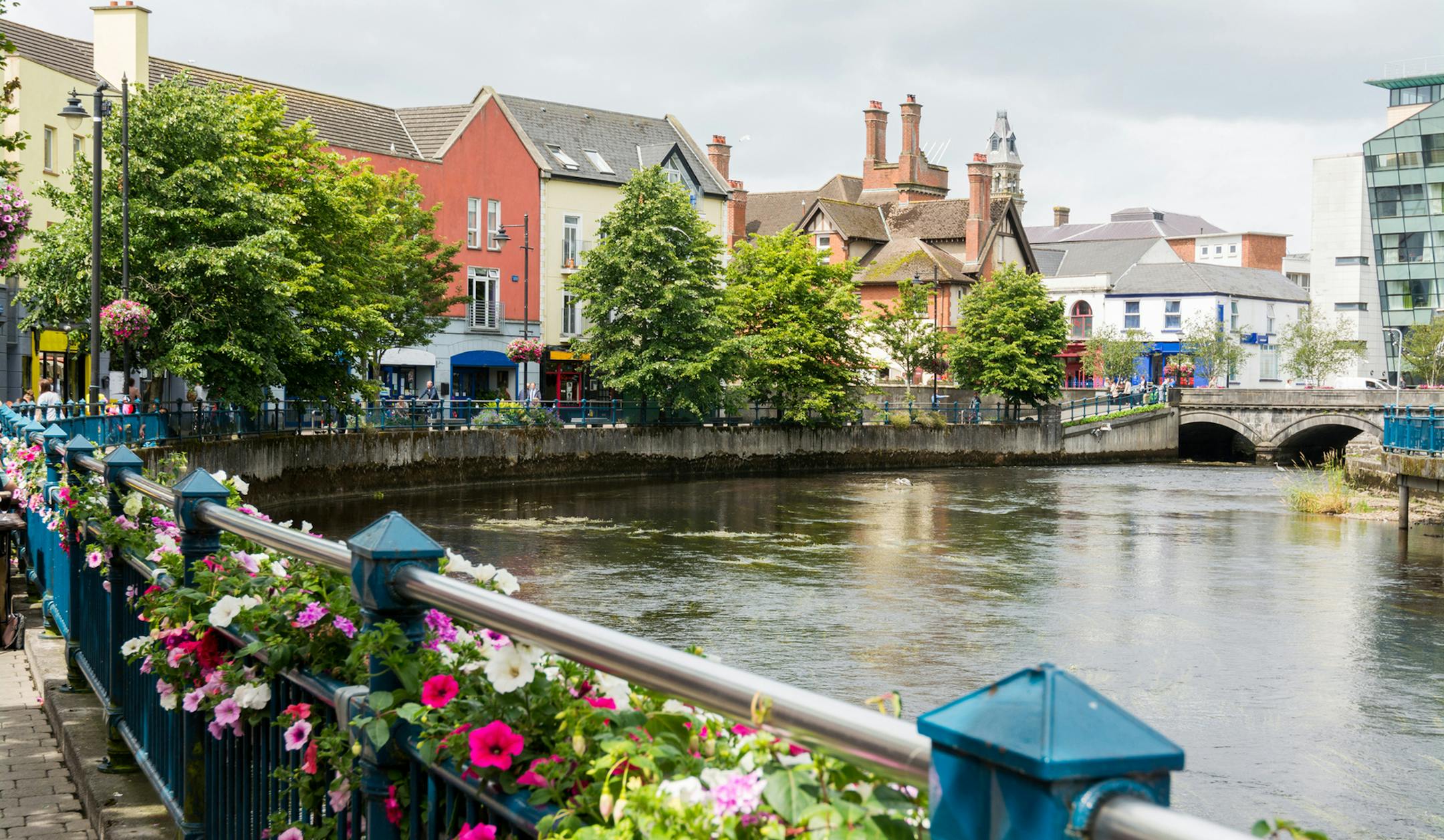
A couple of weeks ago, I spent a weekend in a small town in Sligo.
Obviously I didn't physically travel there — COVID-19 is keeping me tied to my house most of the time, except for occasional trips to the grocery store. There will be no trips to Ireland, or anywhere, for a long time.
But when reading for pleasure these days, I travel: I am drawn to books with a strong sense of place, books that are set in cities or countries I love or would love to someday visit.
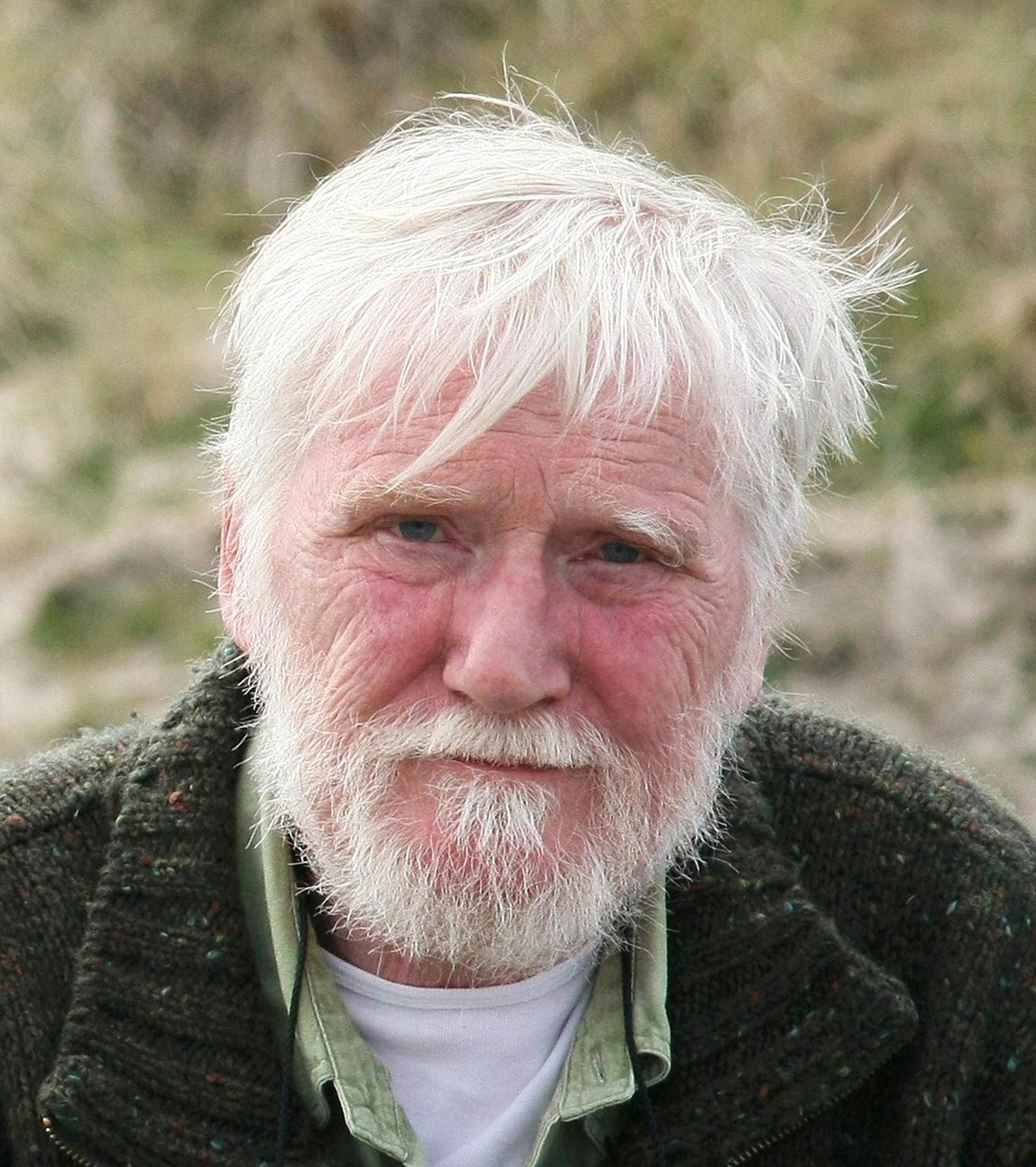
The book set in Sligo is called "Long Time No See," by the late Irish novelist and poet Dermot Healy. Published in 2011, it's told in first person by a teenage boy who has suffered a great trauma. He is waiting for the results of his Leaving Cert and spending his time doing odd jobs and working as a caregiver to his elderly uncle.
There is not much plot and not much action; the book is told primarily through dialogue. The reader figures out what is happening, and who the characters are, as the book unfolds.
I think I would have loved this book no matter when I read it, but it was particularly resonant now — it placed me thoroughly in this village, with its people, its grudges and affections, its history. The narrator is in pain, and without ever discussing it, the whole town is looking out for him.
Healy's novel is steeped in something I think we all want fervently now — a sense of benevolence and community.
This year — with the pandemic, and the protests, and the clamor for change — is changing the way some of us read, or at least changing what we want to read.