Photos by Tom Wallace
Well, we knew the writing was terrific, so it's no surprise Rick Nelson's story on the Kenyan farmers near Lake Pepin landed in "Best Food Writing 2011," edited by Holly Hughes. You can read the story, published last September, below or, of course, in the book.
From Kenya, with love // To feed themselves and their community, a hard-working East African couple raises their native vegetables on a Wisconsin farm.
MAIDEN ROCK, WIS.
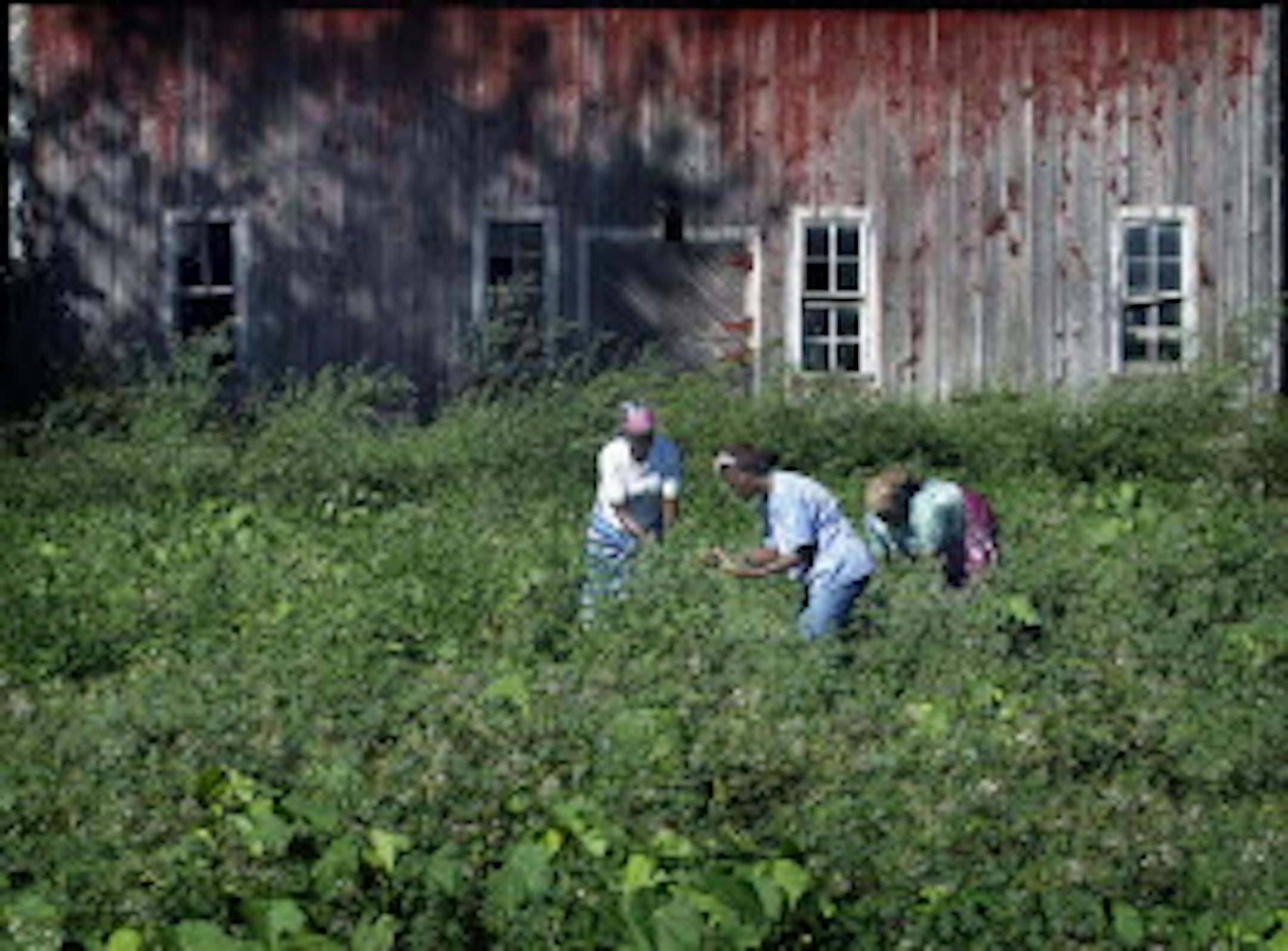
From the road, the small farm resembles its neighbors, at least at first glance: a weathered red barn, a well-kept yard, a few hard-working vehicles parked in the gravel driveway.
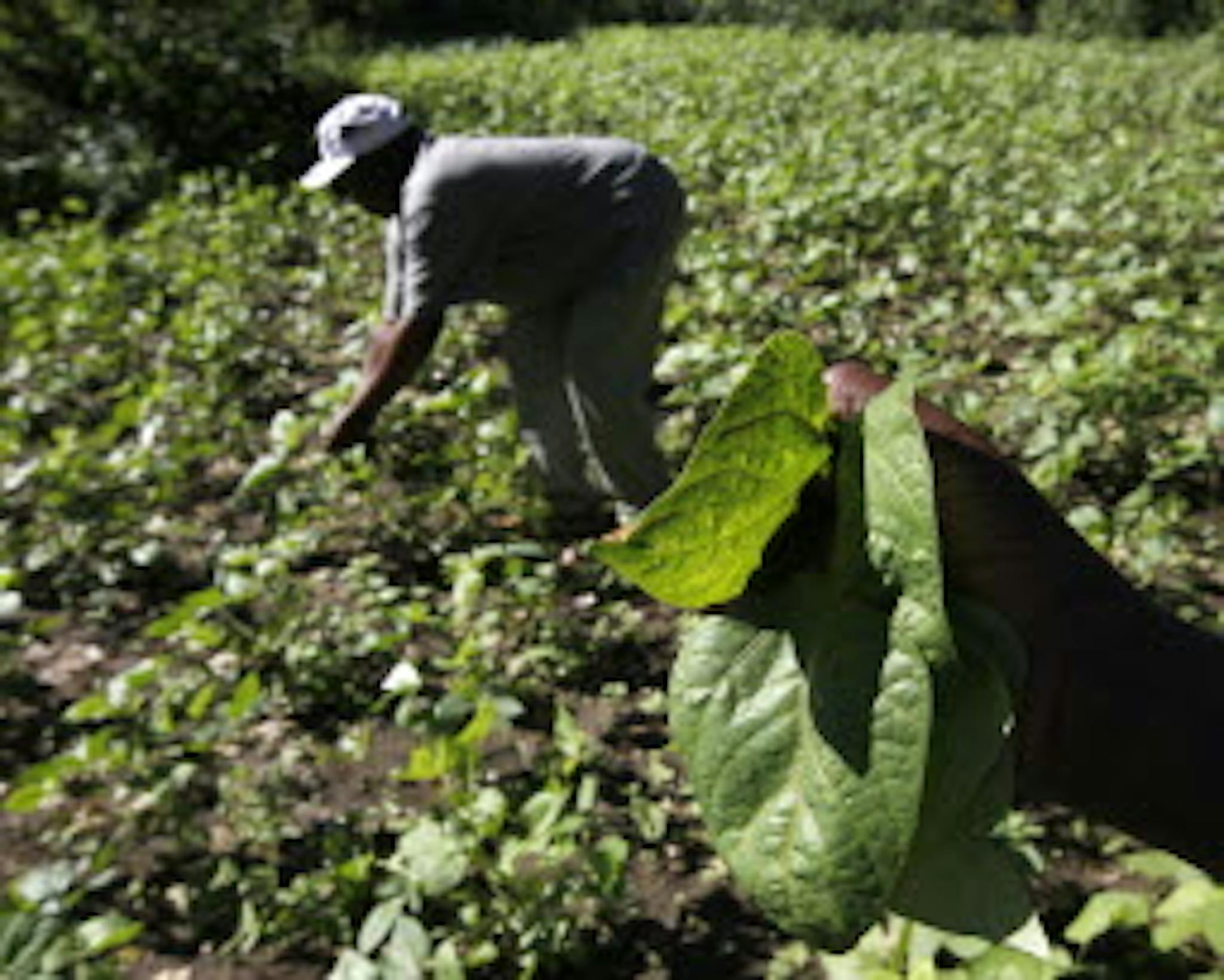
But unlike the rest of the fields lining the hilly river valley a few miles east of the Mississippi River, this acreage is tended by elegant African women, their figures wrapped in vividly patterned fabrics to keep the insects at bay. Look closer and you'll see that bedrock of American agriculture's neat-freakishness -- strict, militaristic rows of monoculture crops -- has been willfully cast aside for a melange of plants seemingly spreading out, willy nilly. Look even closer and wonder: Just what the heck are they growing, anyway?
Chinsaga. Rinagu. Egesare. The Kisii-language names of these East African greens roll off the tongues of farmers Albert and Sarah Nyamari like operatic lyrics. The couple, aided by an extended clan of fellow Kenyan family members and friends, are cultivating a dozen or so greens and other vegetables that may be unfamiliar to American eyes and taste buds but, "are like hamburgers to us," said Albert.
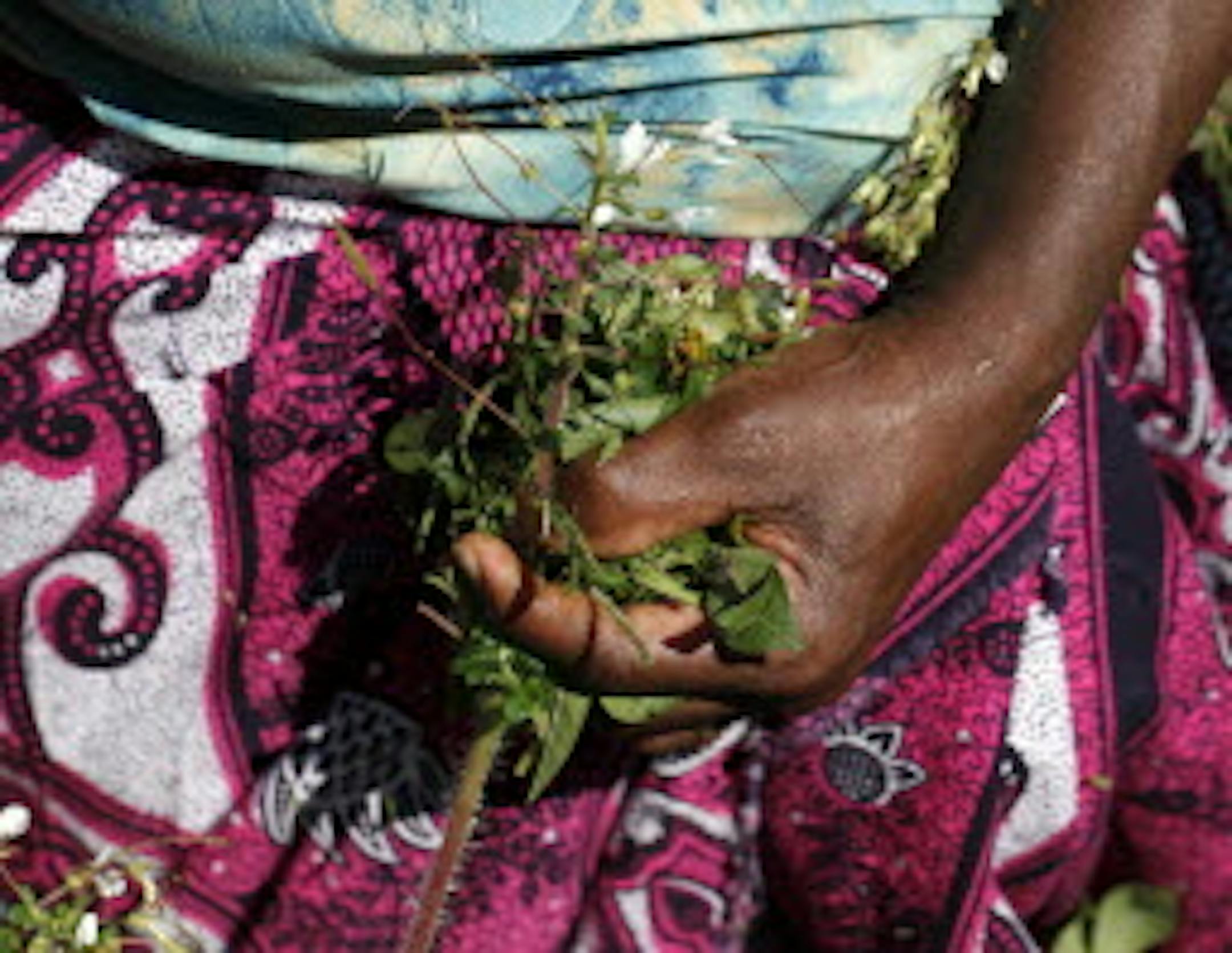
To the uninitiated, it's tough to discern what's a weed and what isn't, at least until one of the women working nearby starts quickly plucking finger-sized leaves off a knee-high plant, deftly stuffing them into paper bags.
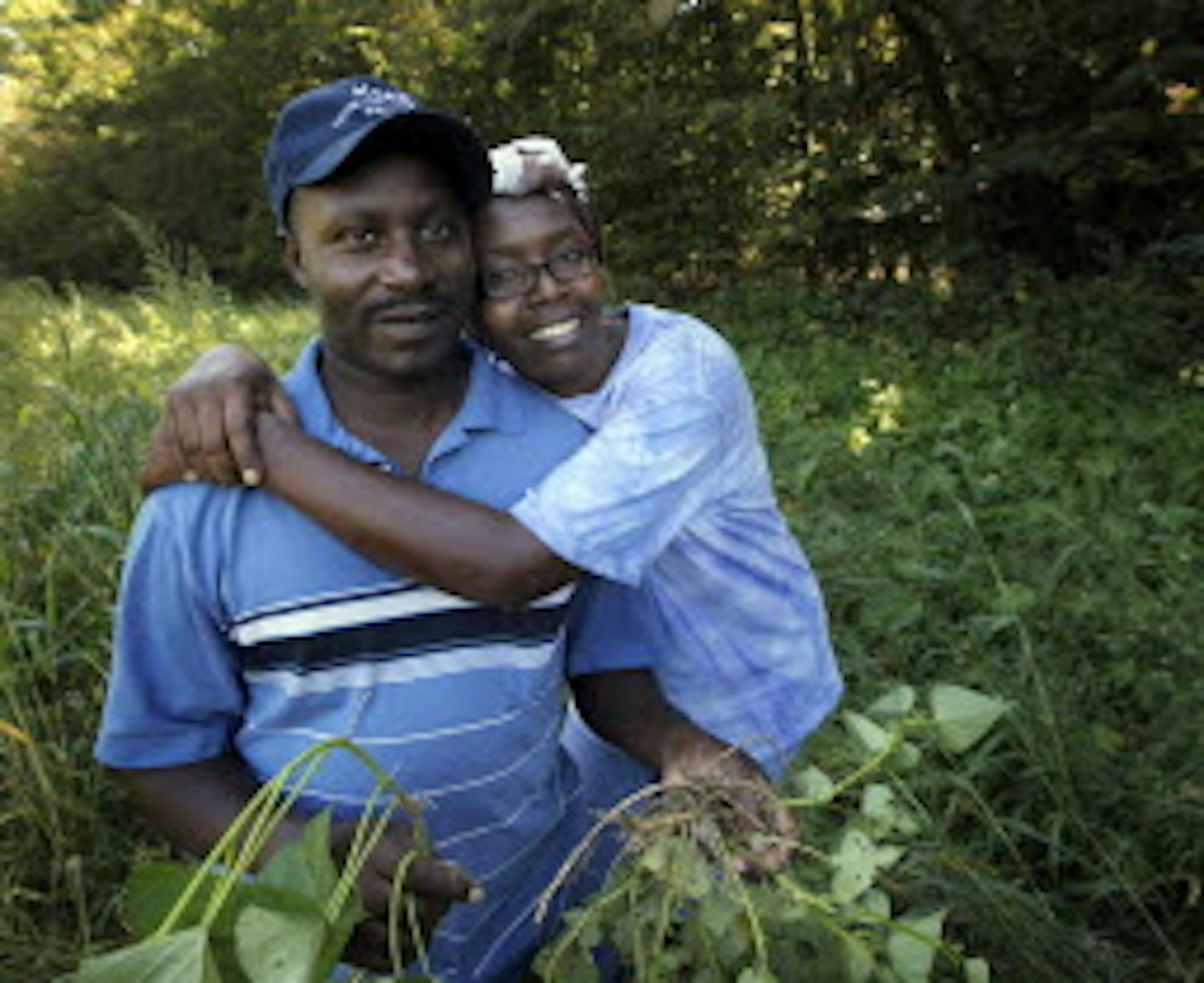
"Chinsaga," said Albert, passing a handful for a taste. It's chewy and slightly bitter, and while the leaves can be eaten raw, they're usually boiled until tender, and often sauteed with onions and tomatoes.