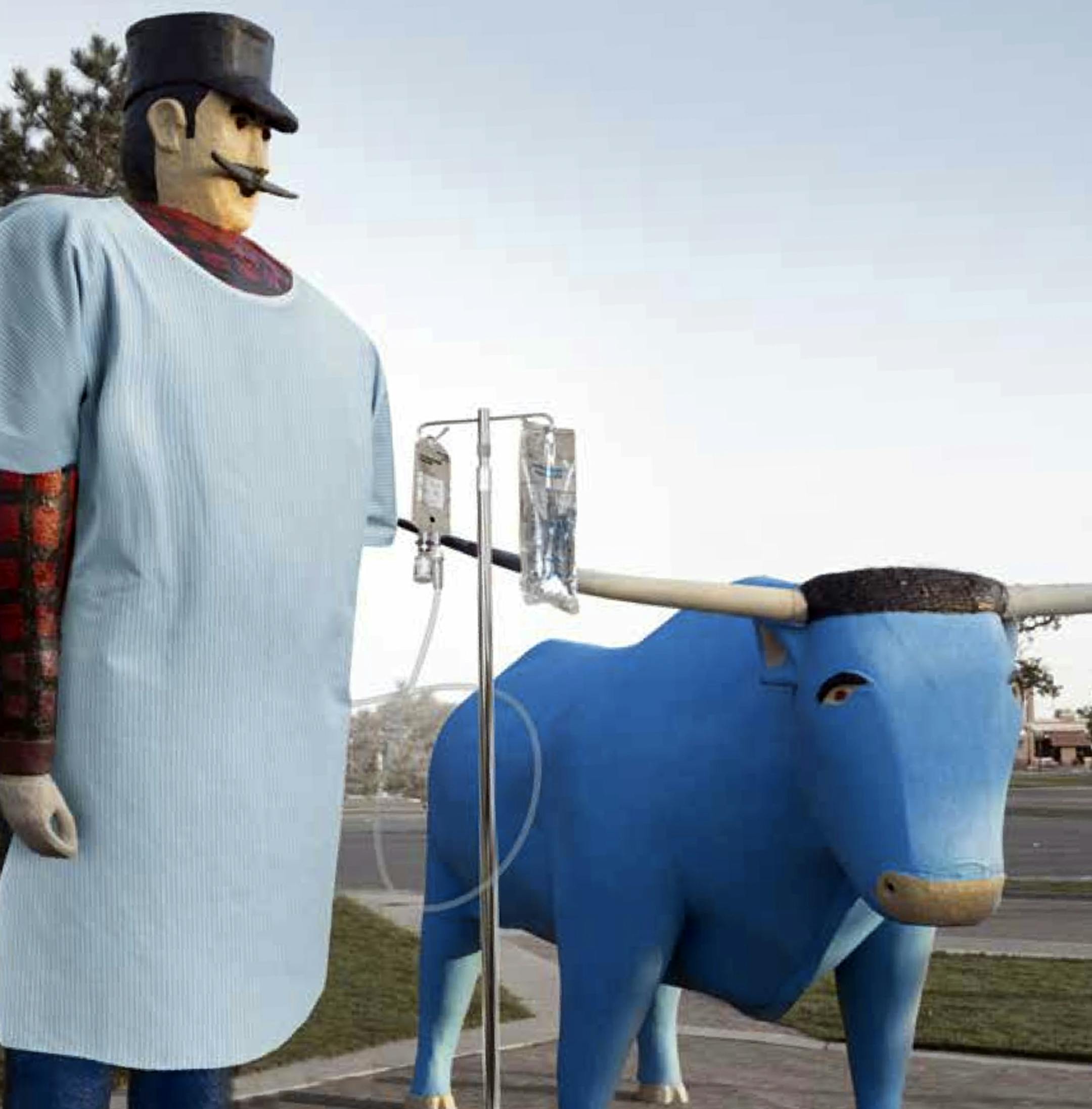
The annals of folklore abound with stories about lumberjack Paul Bunyan and Babe the Blue Ox. But none are about Paul and Babe and health insurance. Until recently.
Paul and Babe are the TV embodiment of MNsure, the fledgling Minnesota health insurance exchange that officially kicked off enrollment Tuesday. Individuals and small businesses will be able to use the online marketplace to shop for various types of health coverage.
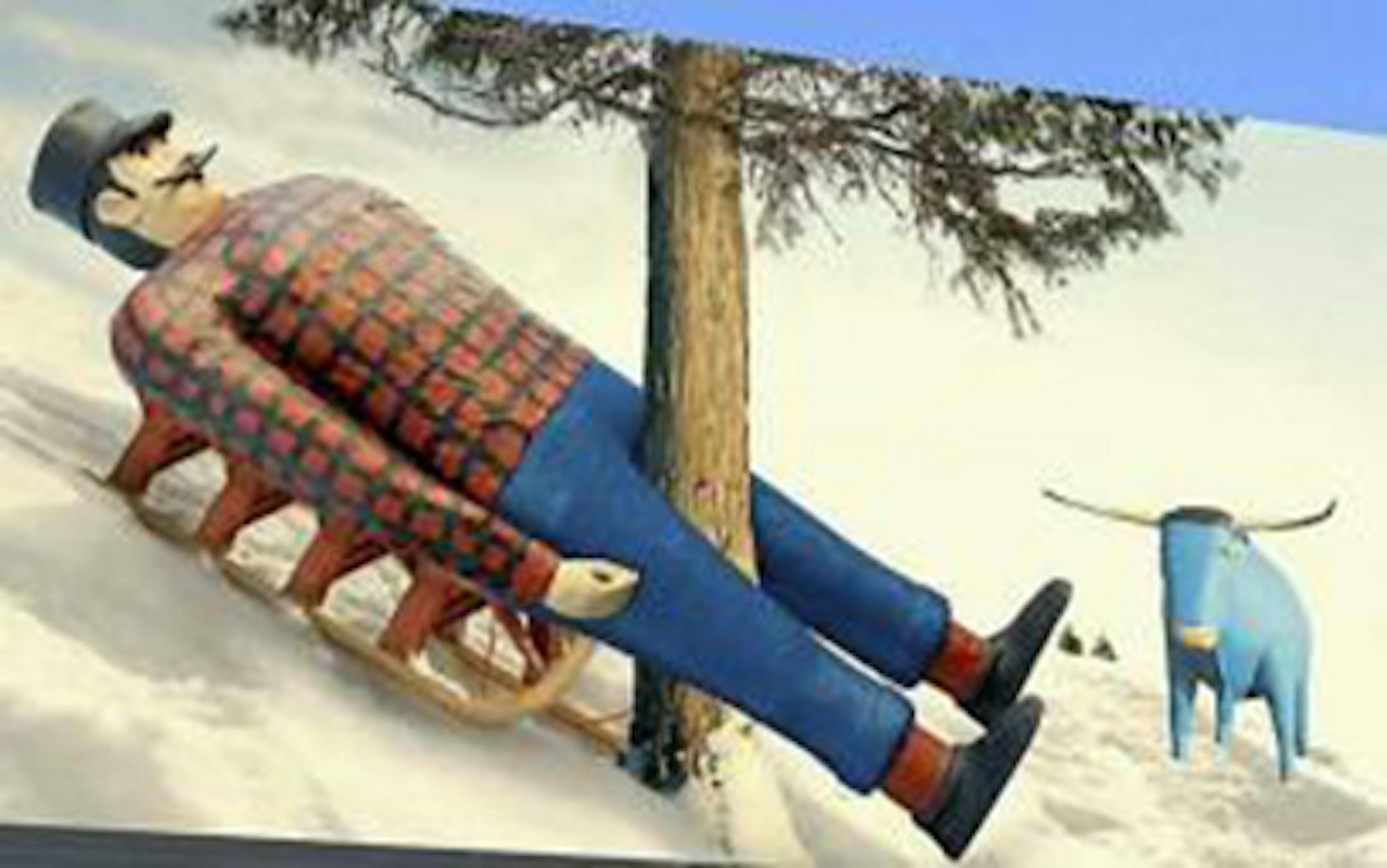
Paul and Babe are at the center of an upbeat, $1 million-plus advertising campaign that focuses on the theme "10,000 reasons to get health insurance." The main TV spot shows Paul water-skiing until he hits a tree and crashes backward. He's last heard saying, "Babe, get your blue ox over here."
Though the ad has been on Minnesota airwaves for nearly a month, the mission to direct Minnesota's 500,000 uninsured residents to MNsure is just beginning. The advertising campaign is part of a $9 million marketing effort, including television, radio and newspapers, that will continue through MNsure's initial open-enrollment period, which ends March 31, 2014.
Even for Paul Bunyan, that's a tall order, leaving some to wonder whether a mass campaign featuring characters of yesteryear is the best way to reach MNsure's core targets — young people, minorities and the poor.
"The TV spot is fun and it connects to [native] Minnesotans, but it doesn't reach out to new [health insurance] users who might have kids or be financially challenged," said Jennifer Johnson, a brand strategy professor at the University of Minnesota.
The stakes are large. The key to making the Affordable Care Act work is ensuring broad participation from all demographic groups and especially those in their 20s and 30s. This group, sometime referred to as the "Invincibles,'' contains many young and healthy folks. Getting them — and their premium dollars — into the risk pool is considered crucial to the act's success.
MNsure's marketing and communications director, Mary Sienko, said visits to the organization's website have doubled since the advertising campaign began in earnest after Labor Day.