Winter Storm Update
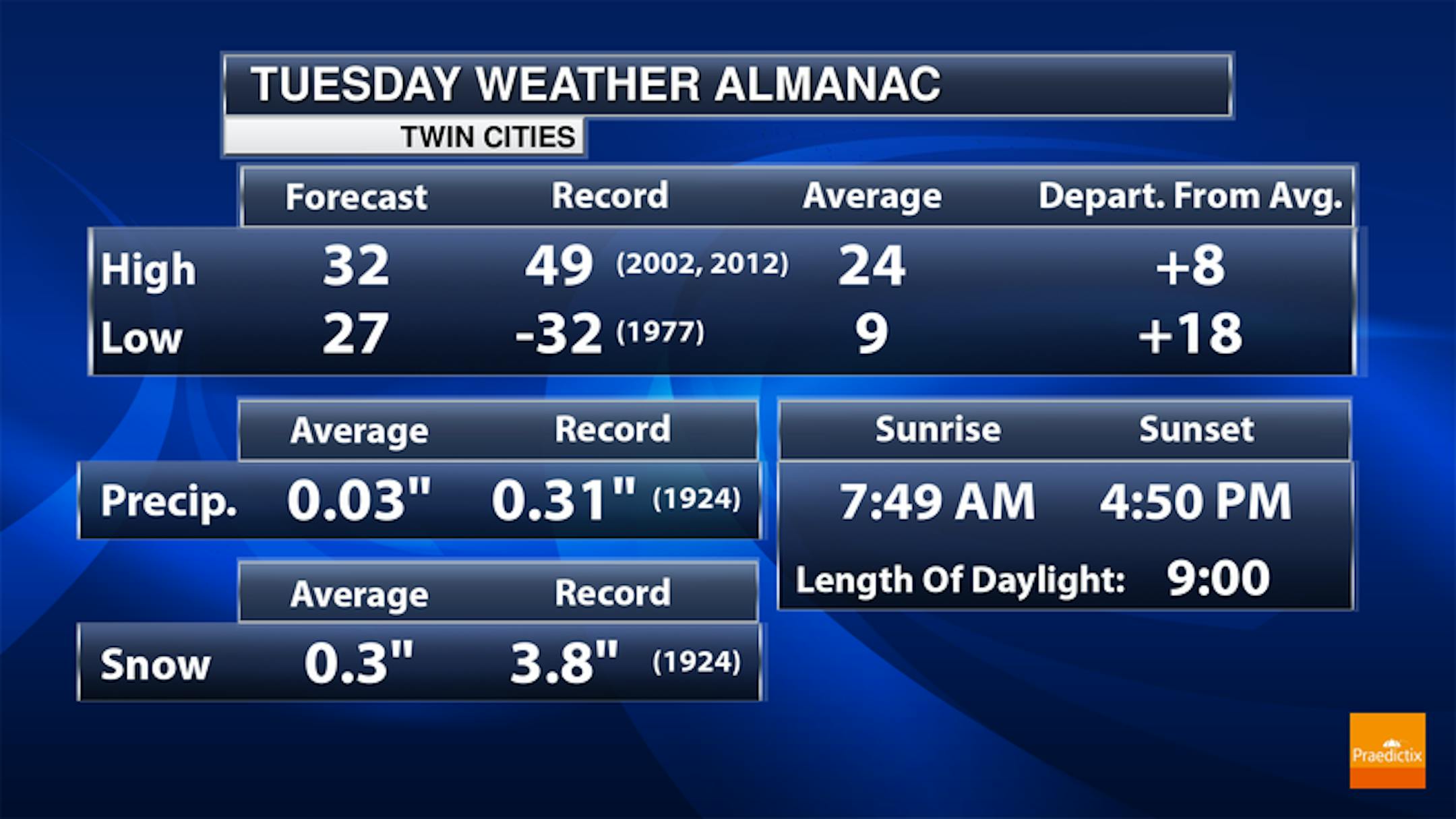
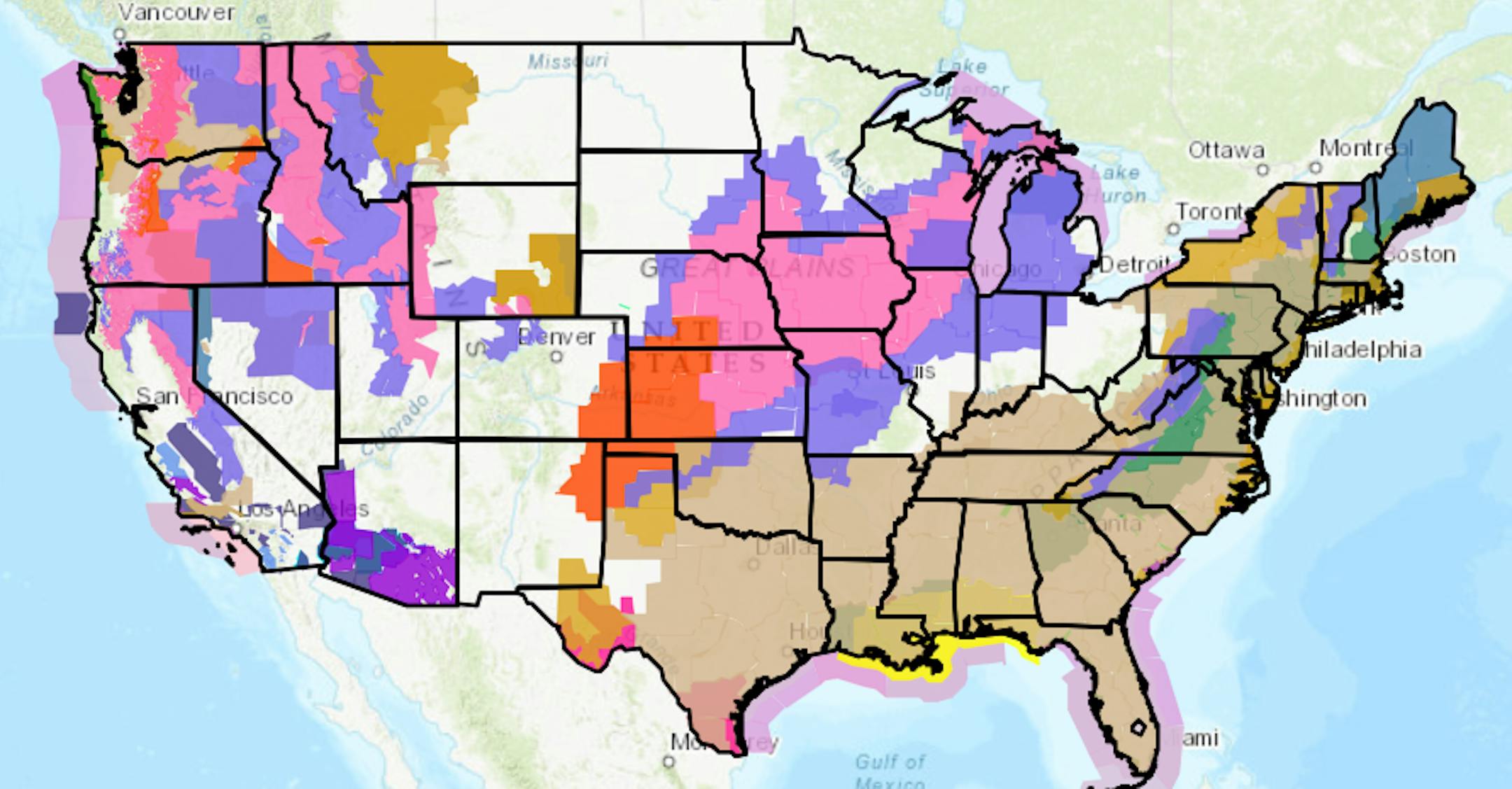
Some of the first winter weather headlines of the season continue into the first part of Tuesday mainly south and west of the Twin Cities. The heaviest snows from this system will be in Southwest Minnesota (mainly from Monday's snow) and also across southeast Minnesota, where a heavier surge of snow will impact the region during the day Tuesday.
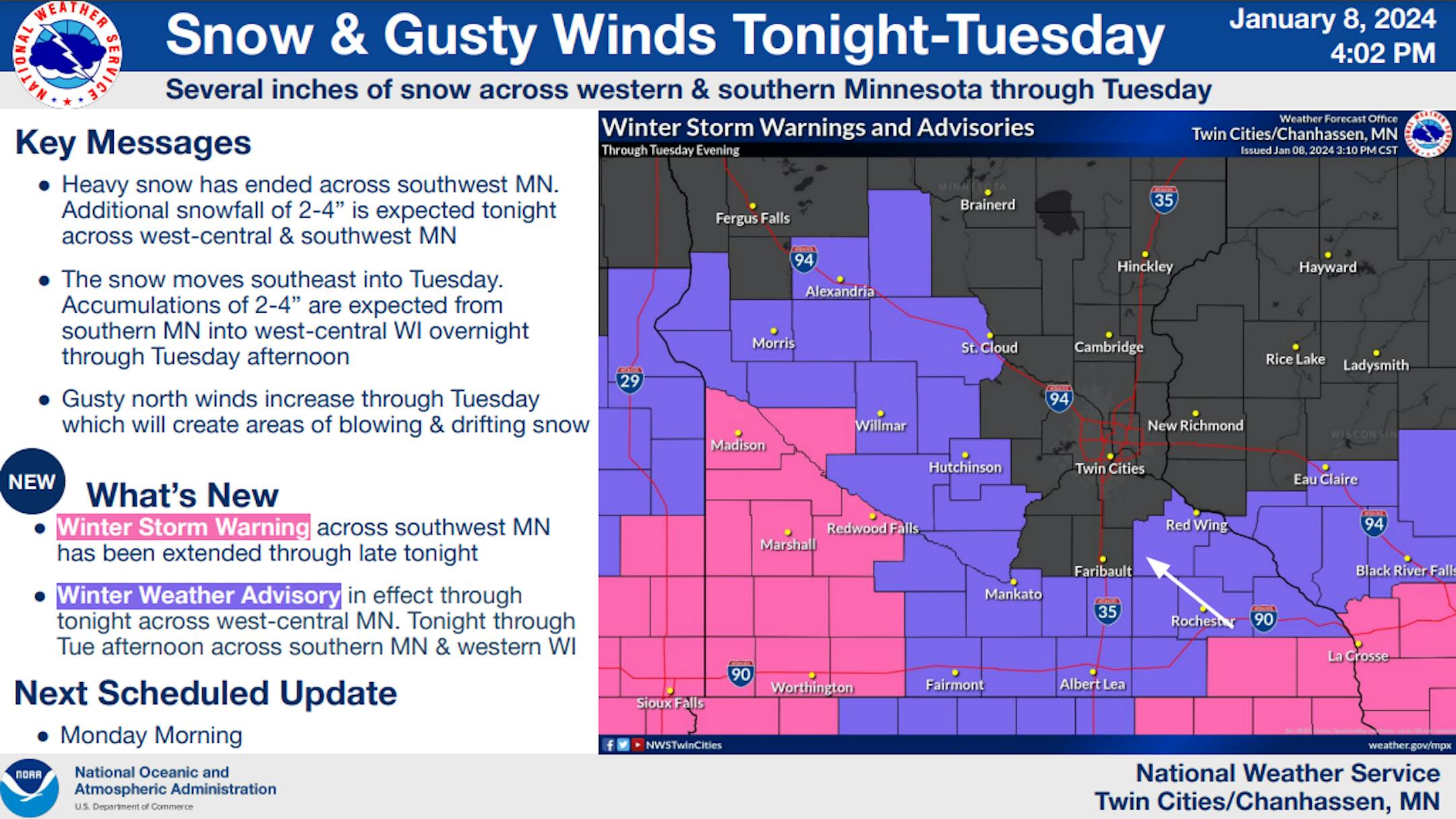
Additional Snowfall Amounts
Here's a look at how much additional snow we could see across the region through Tuesday. Note that the heaviest will be southeast of the Twin Cities with nearly a 6" or more near La Crosse, WI.
More Active Week Ahead
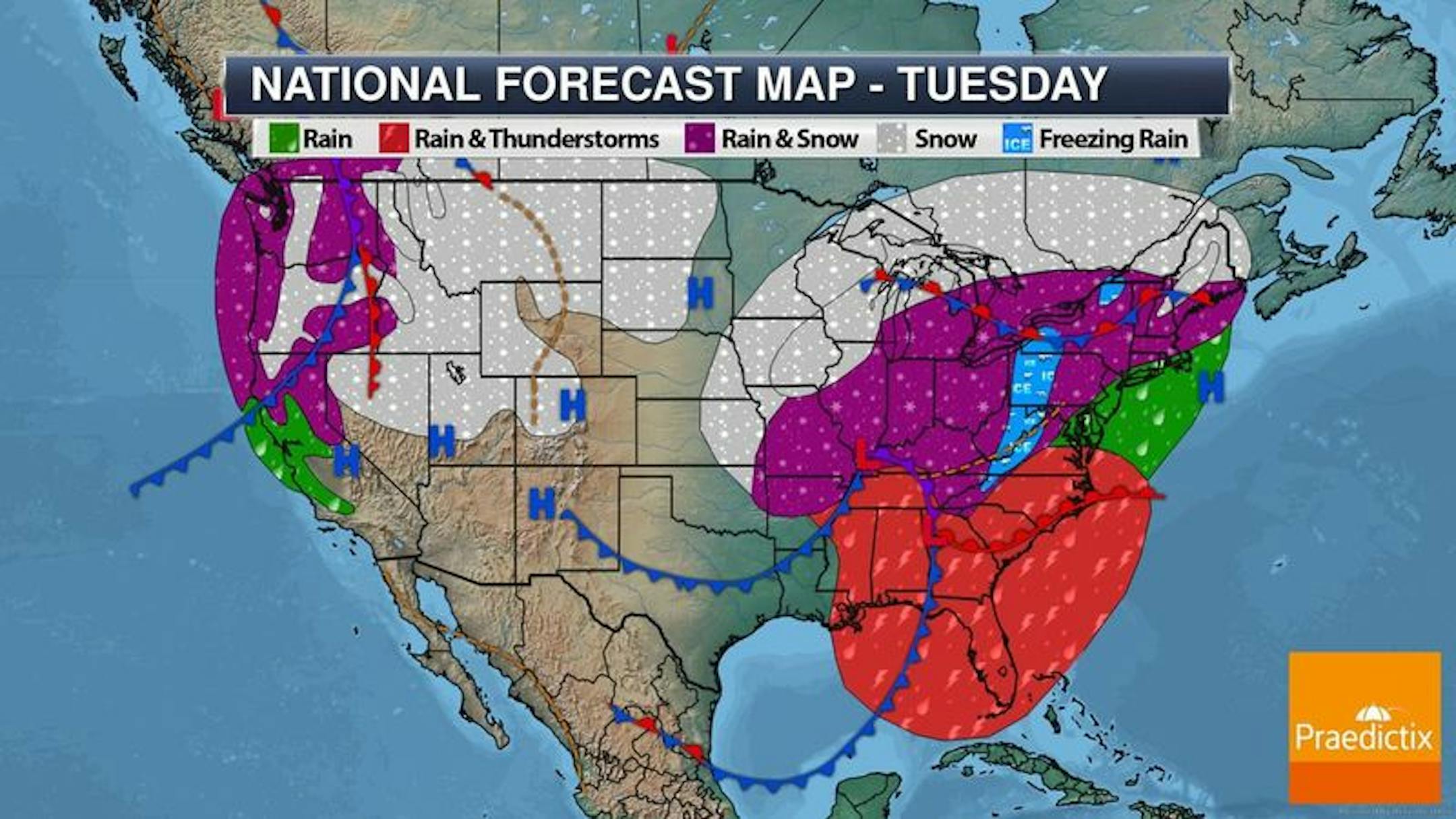
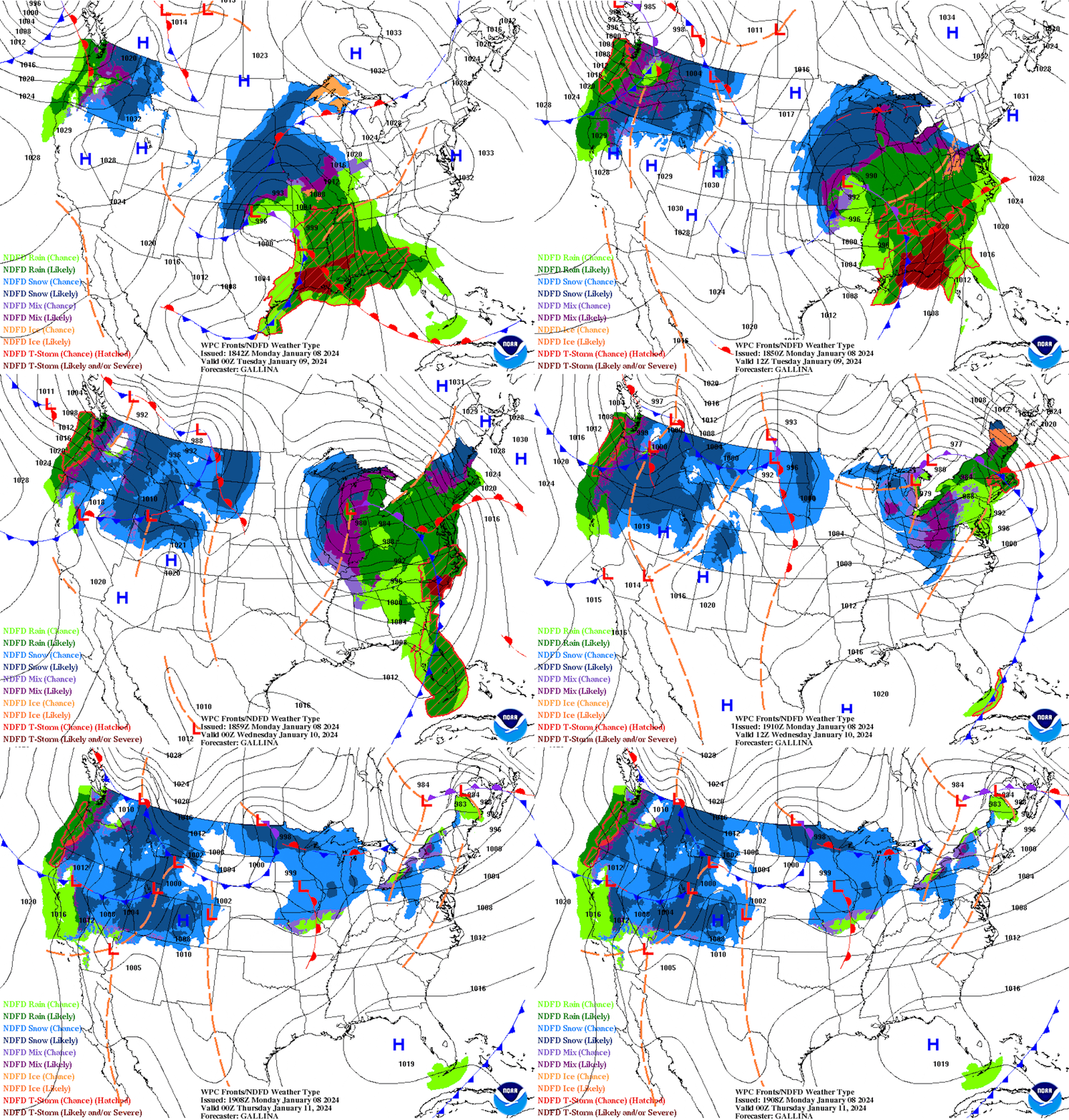
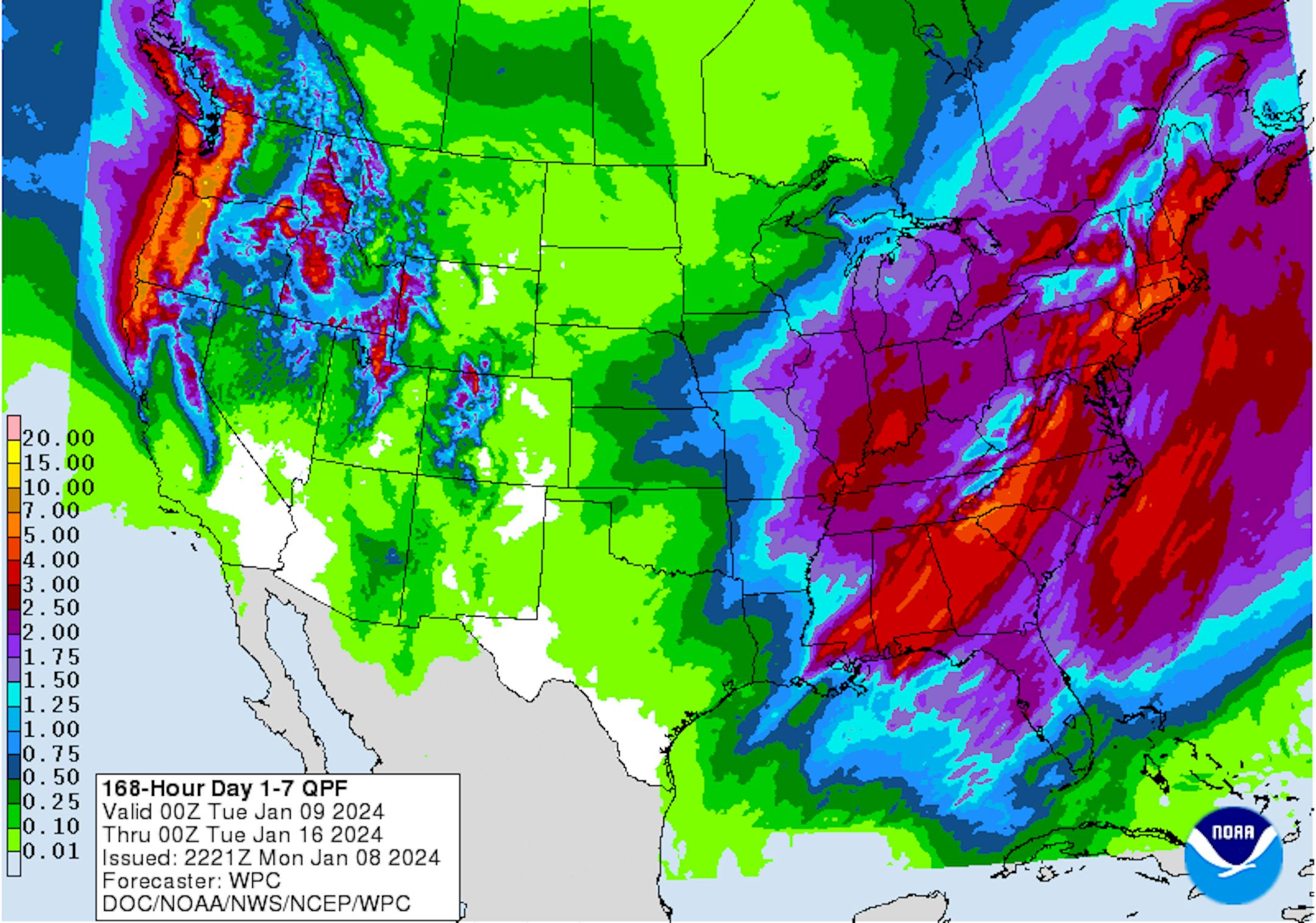
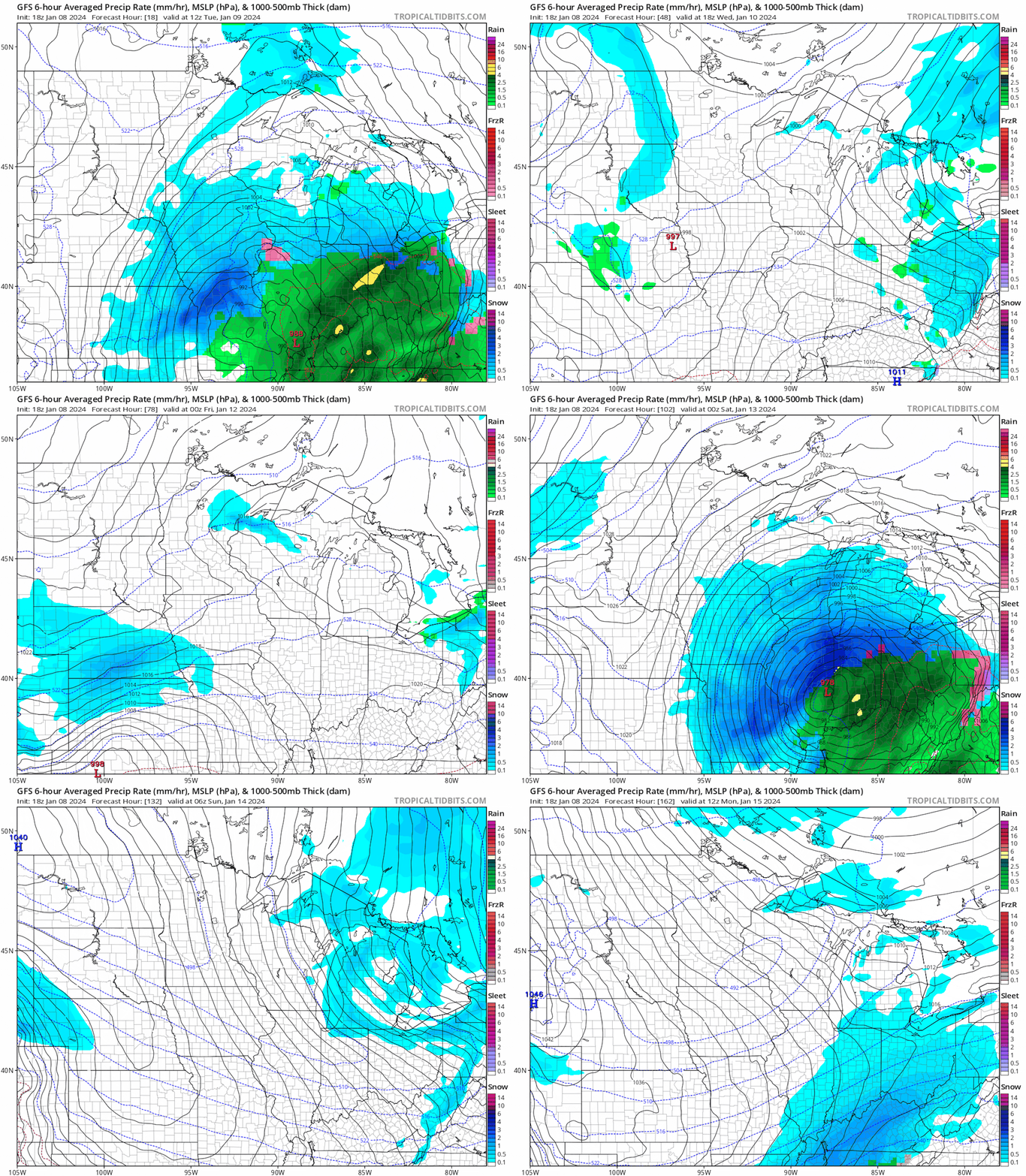
A large storm system will sail southeast of the Twin Cities on Tuesday with heavy snow across parts of the Midwest and Great Lakes through midweek. This storm will also whip up some fierce winds, so blowing snow will be possible, where the heaviest snows fall.
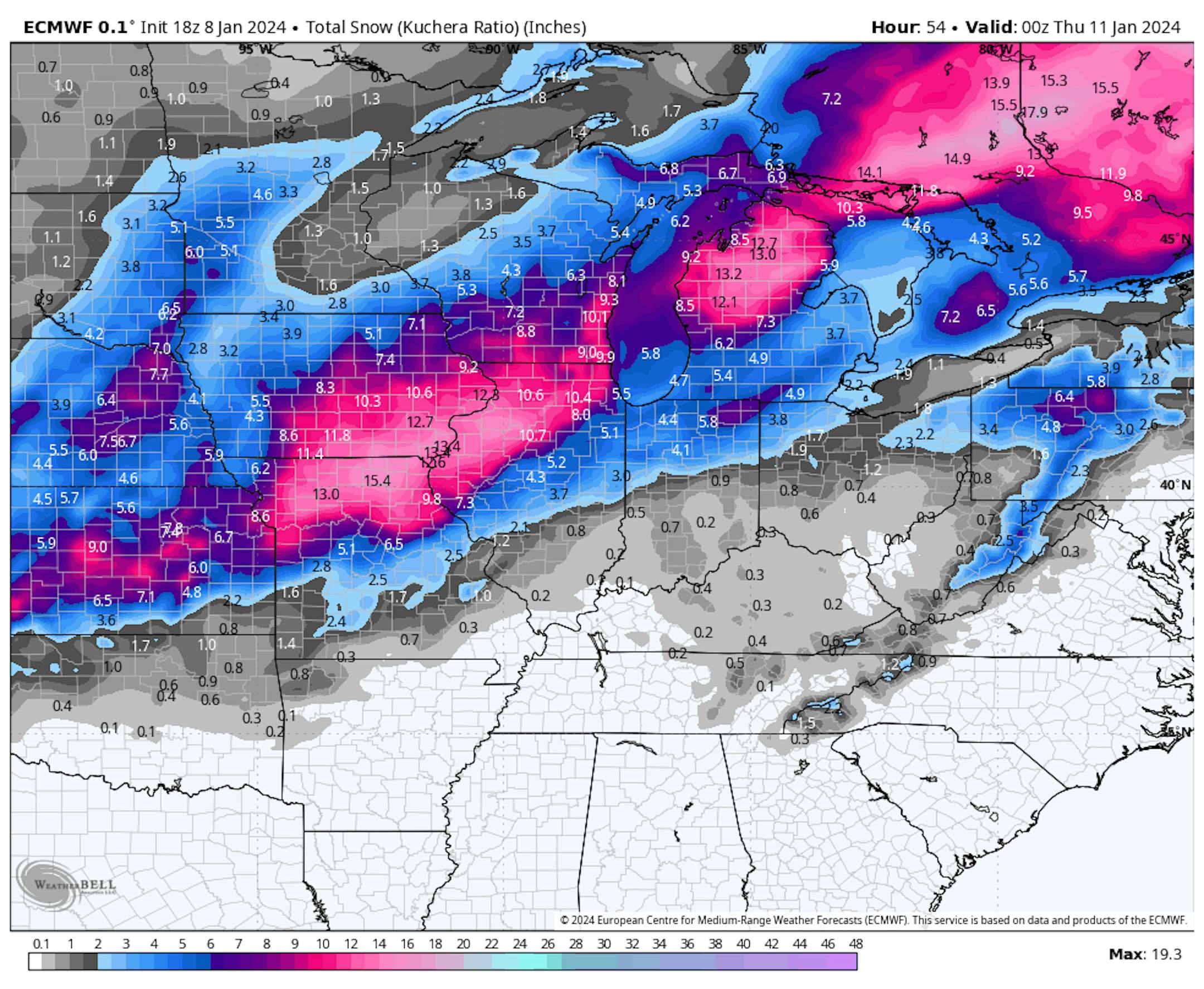
Heavy Snow Across the Midwest
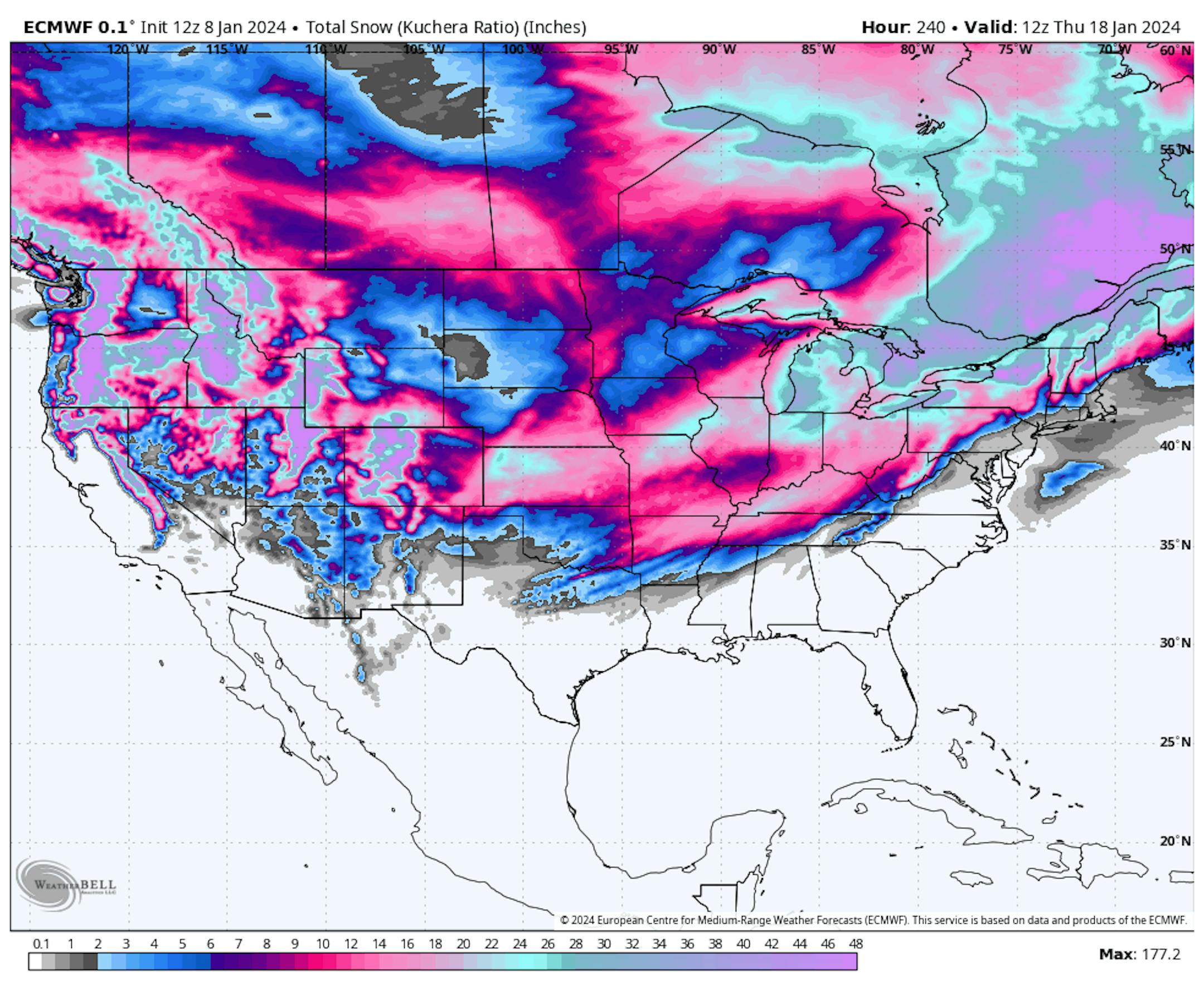
Here's the snowfall potential through midweek, which shows a swath of very heavy snow falling across the Plains to the Midwest and into the Great Lakes with up to a foot of snow or more for some. A number of winter storm warnings have been issued in these areas with blowing snow and significant travel concerns likely.
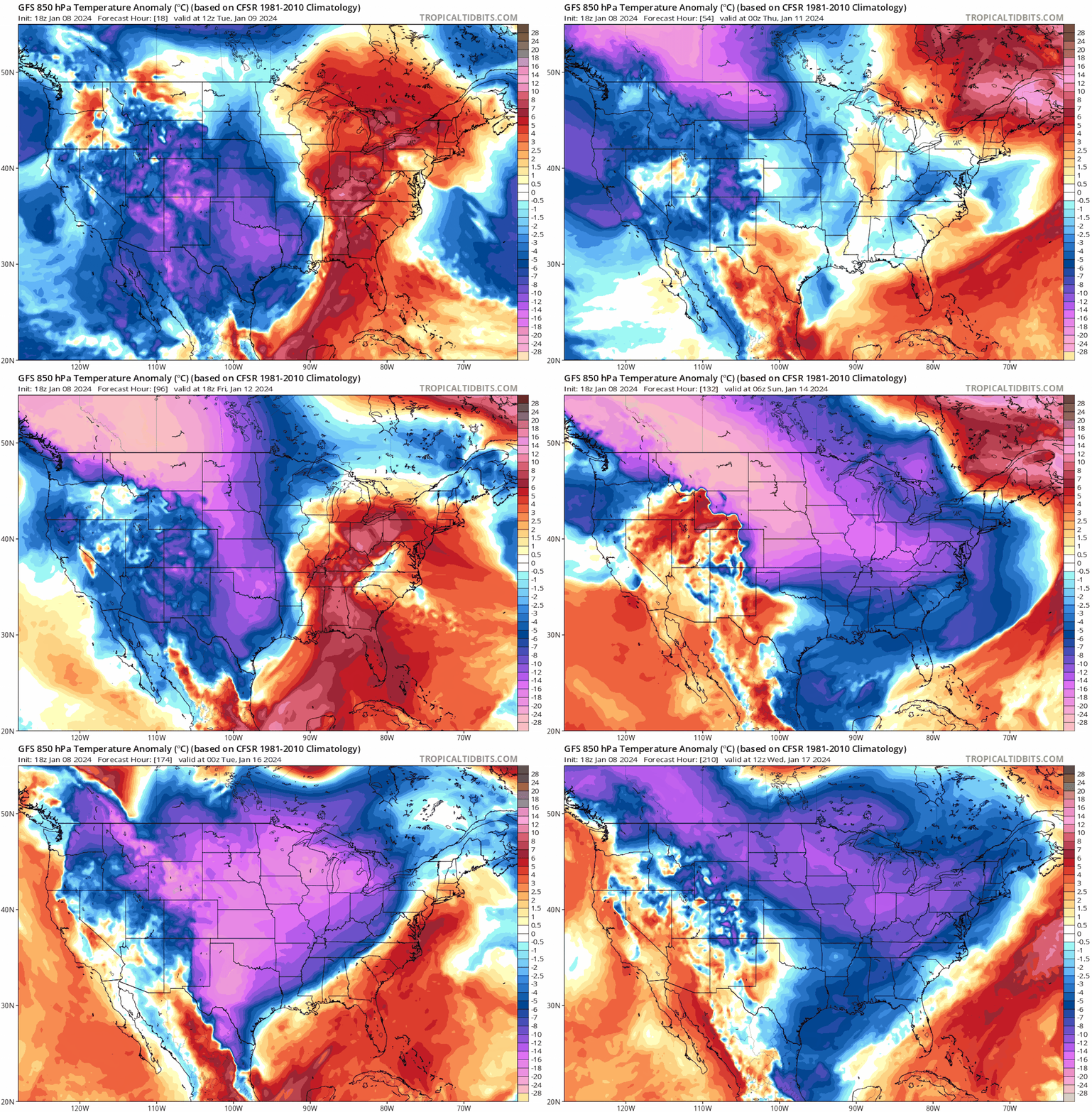
An Arctic Plunge on the Way
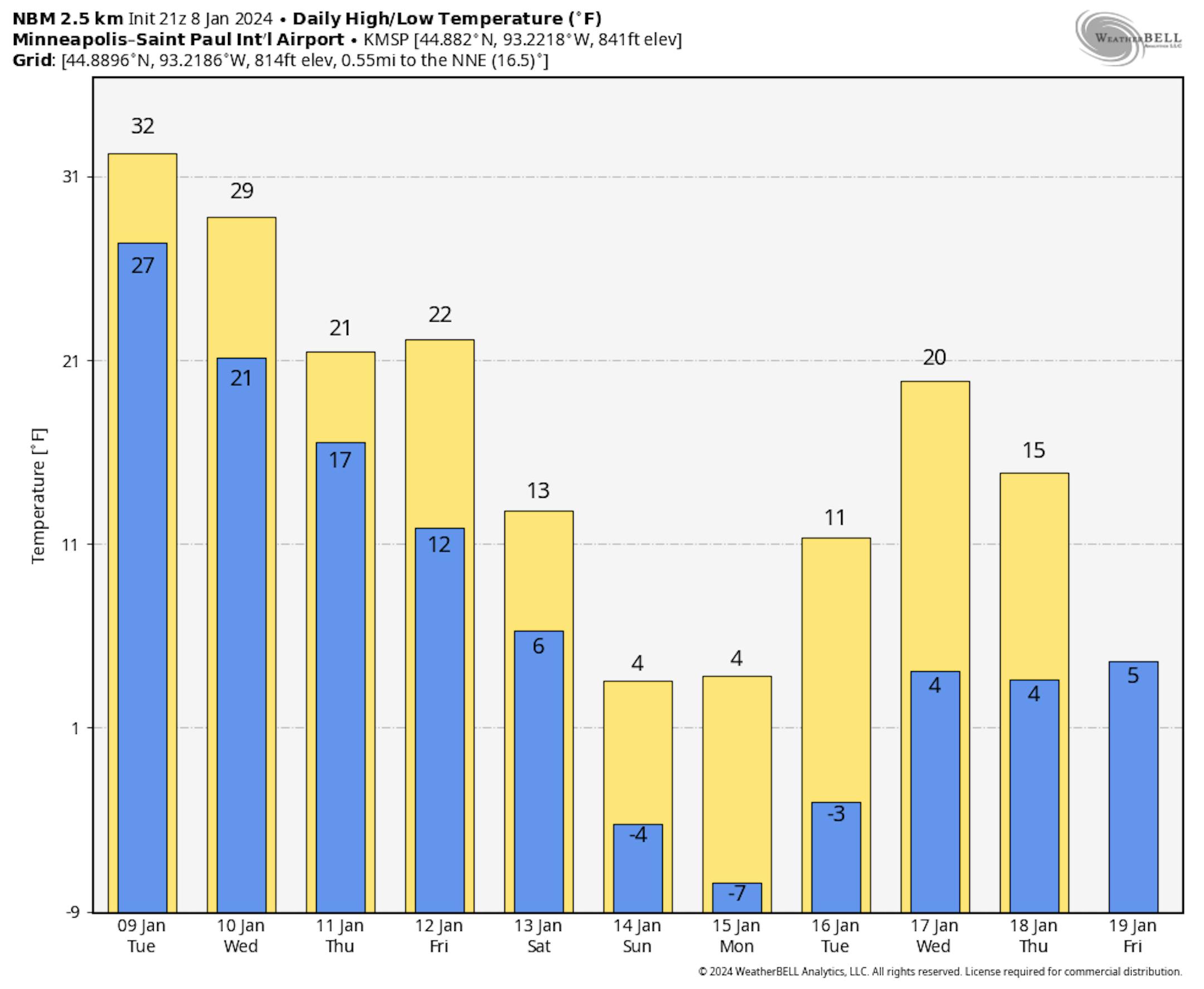
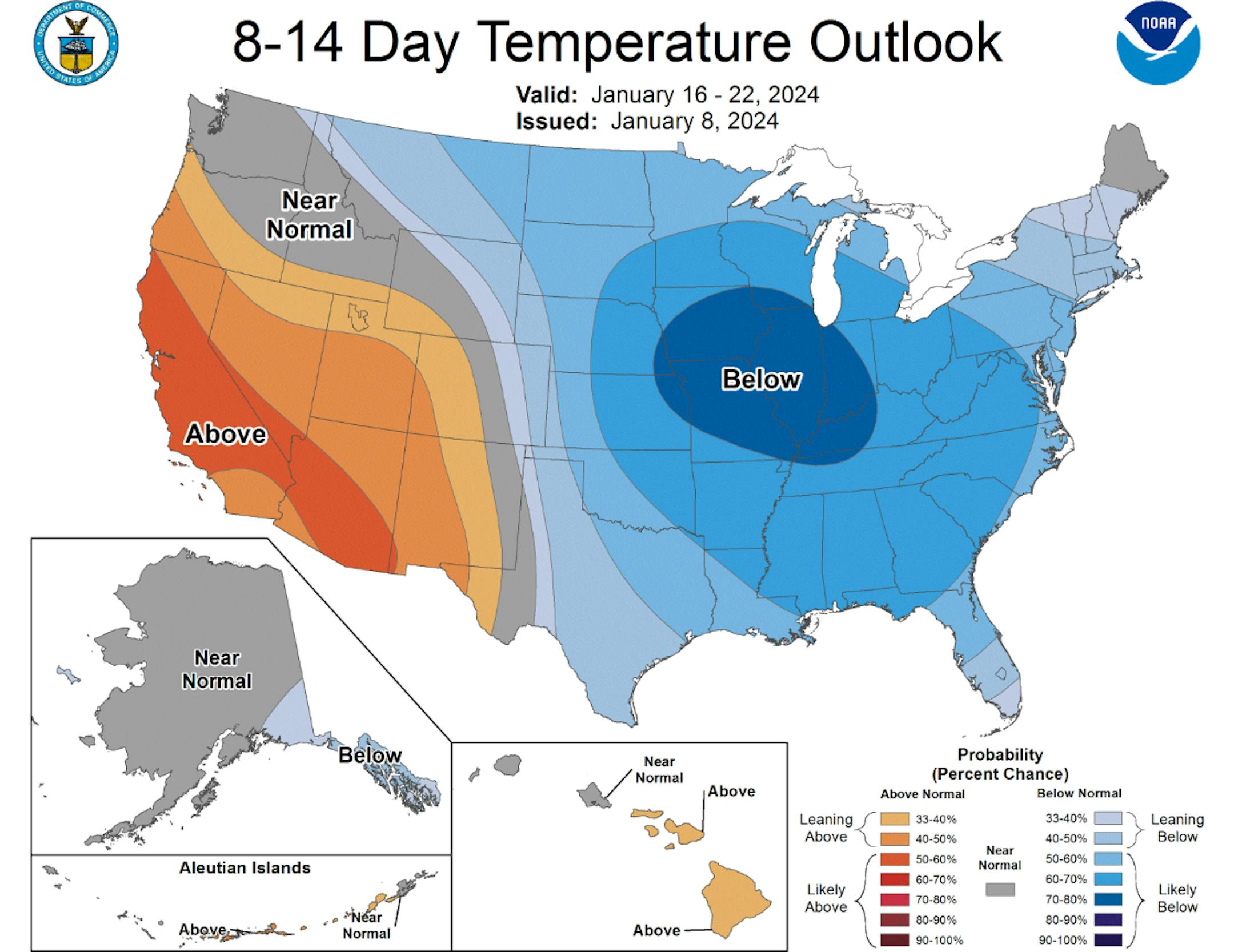
Are you ready for winter? Take a look at the 850mb temp anomaly across the nation as we head through the next 7 to 10 days. Several storm systems moving across the nation will finally allow some Arctic air to funnel south into the Lower 48. This will be some of the coldest air of the season by far and it will also be some of the coldest air in the Midwest since February of last winter with daytime highs in the single digits and subzero overnight lows. Get ready!
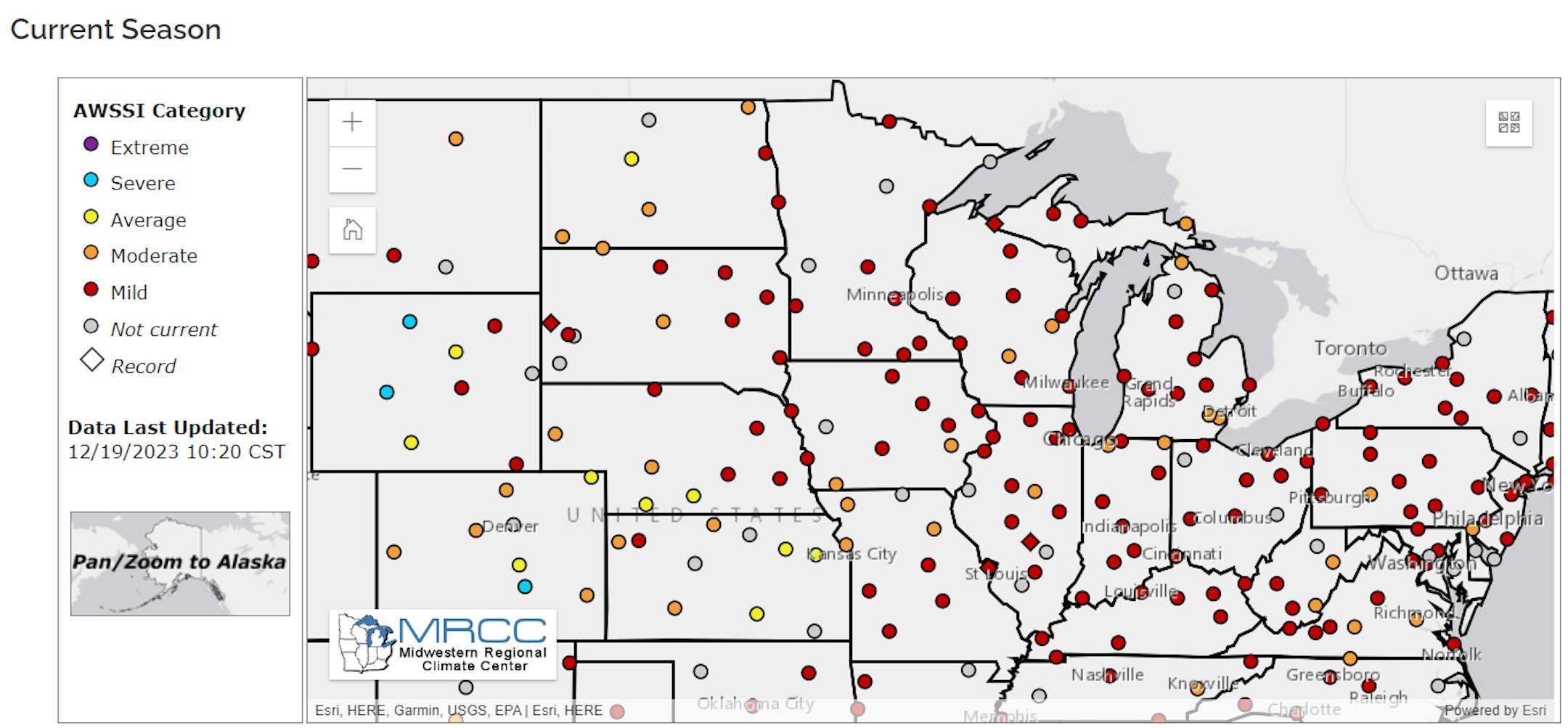
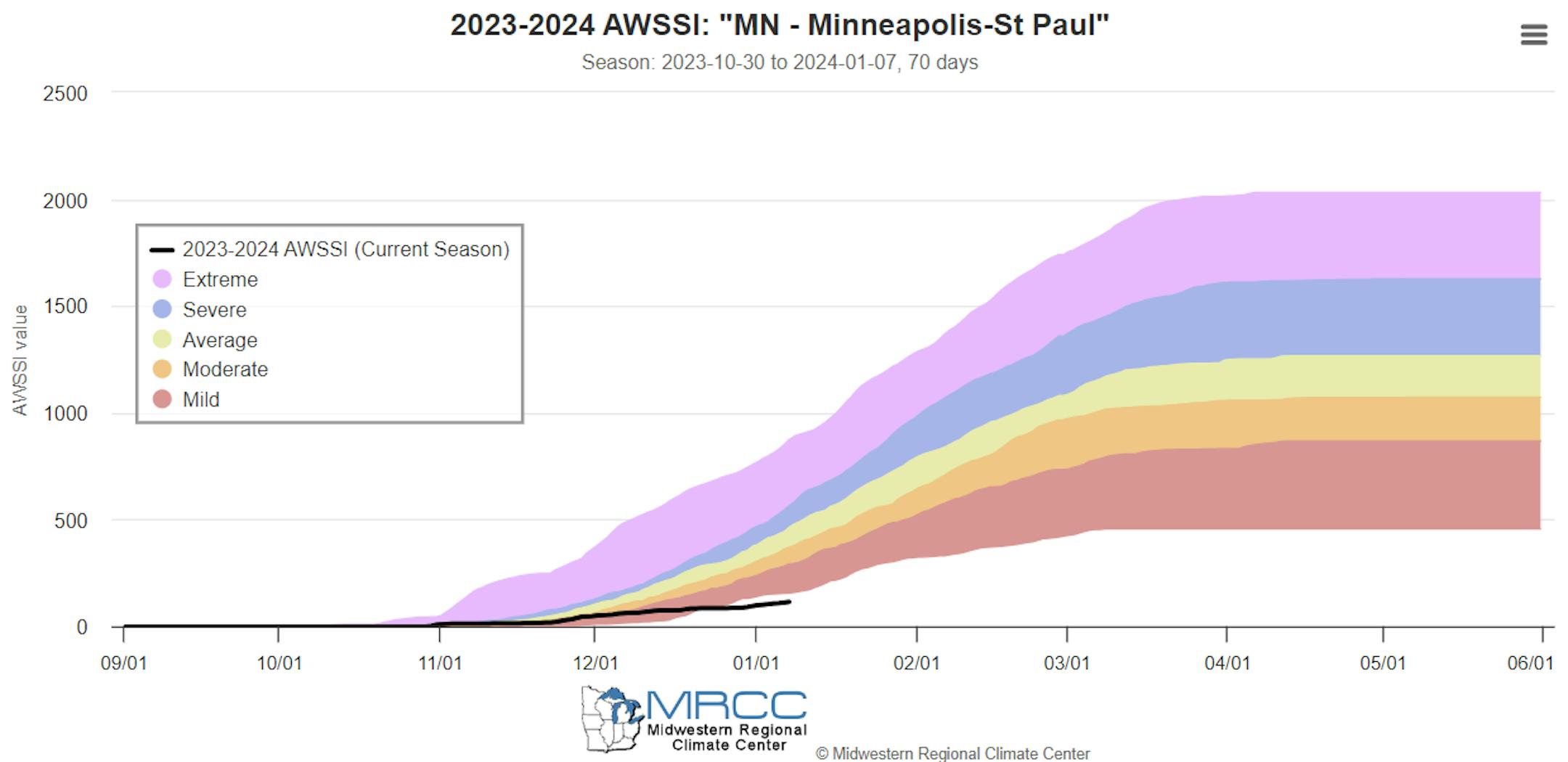
Accumulated Winter Season Severity Index (AWSSI)
"Winter seasons have significant societal impacts across all sectors ranging from direct human health and mortality to commerce, transportation, and education. The question "How severe was this winter?" does not have a simple answer. At the very least, the severity of a winter is related to the intensity and persistence of cold weather, the amount of snow, and the amount and persistence of snow on the ground. The Accumulated Winter Season Severity Index (AWSSI) was developed to objectively quantify and describe the relative severity of the winter season."
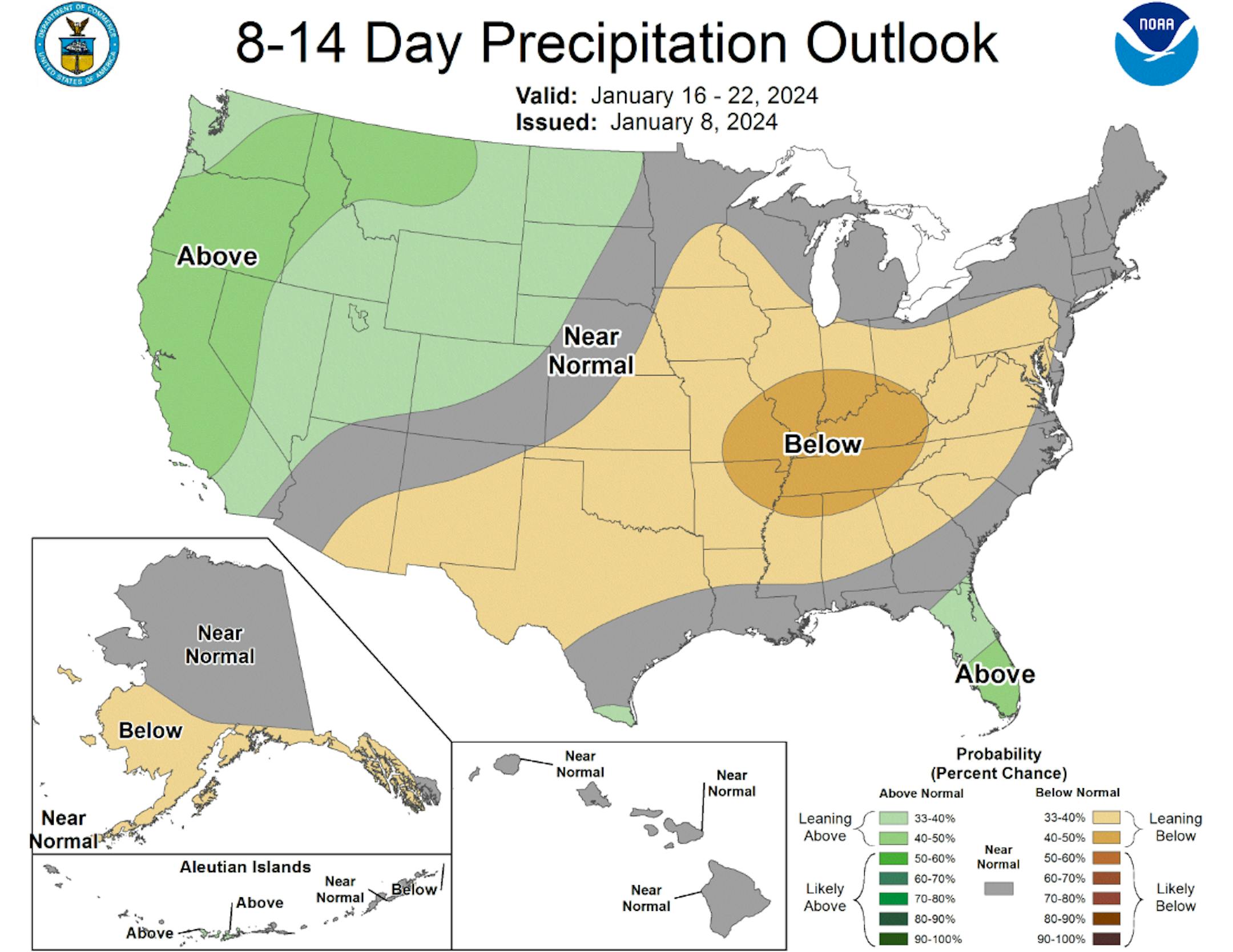
It's probably no surprise, but most locations around the Midwest and Great Lakes have had a "Mild" winter so far. Again, we're still waiting for the other boot to drop, but being in an El Nino setup, a winter like last year is not really in the cards. The Midwest will likely see an overall warmer and less snowy winter.