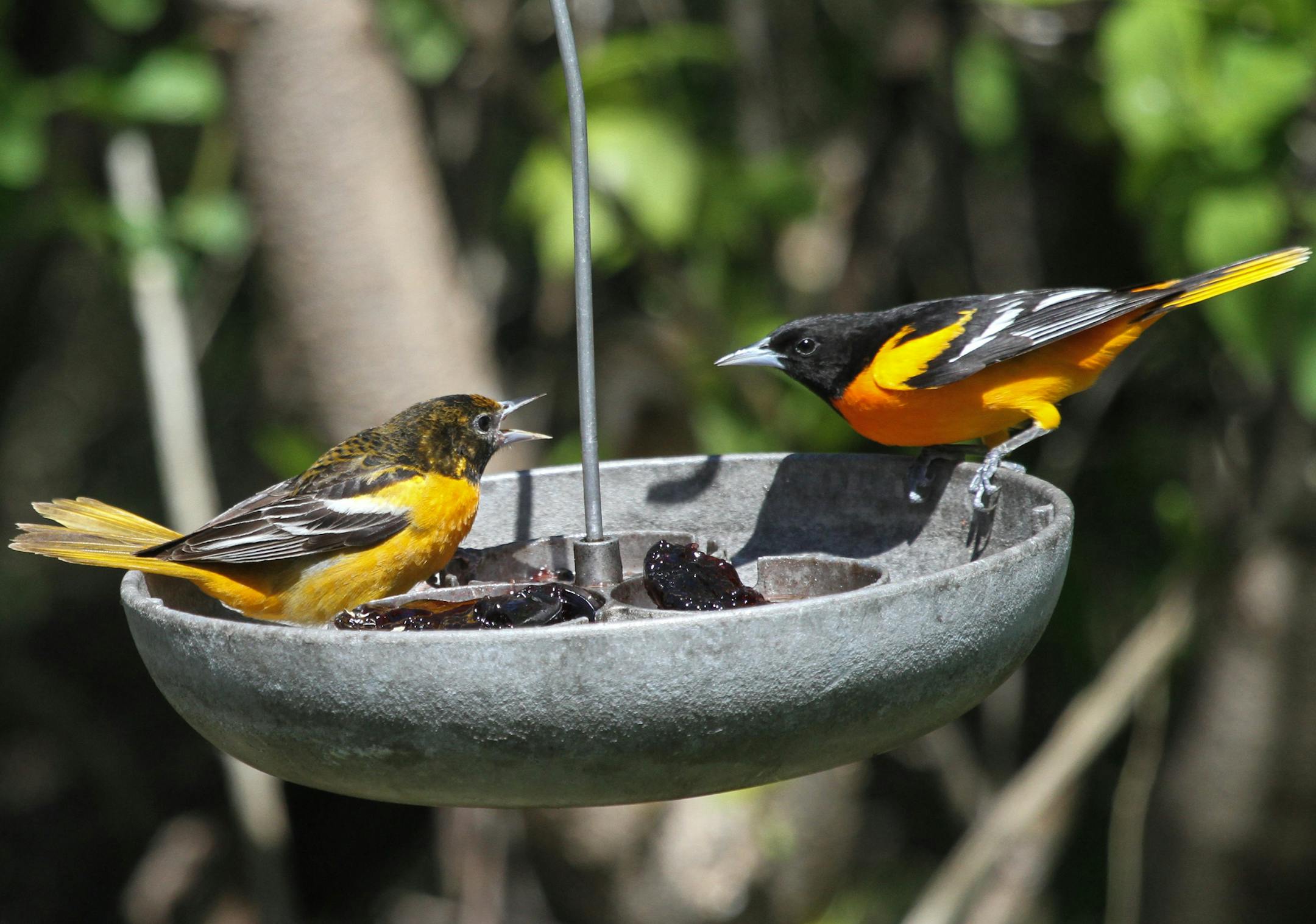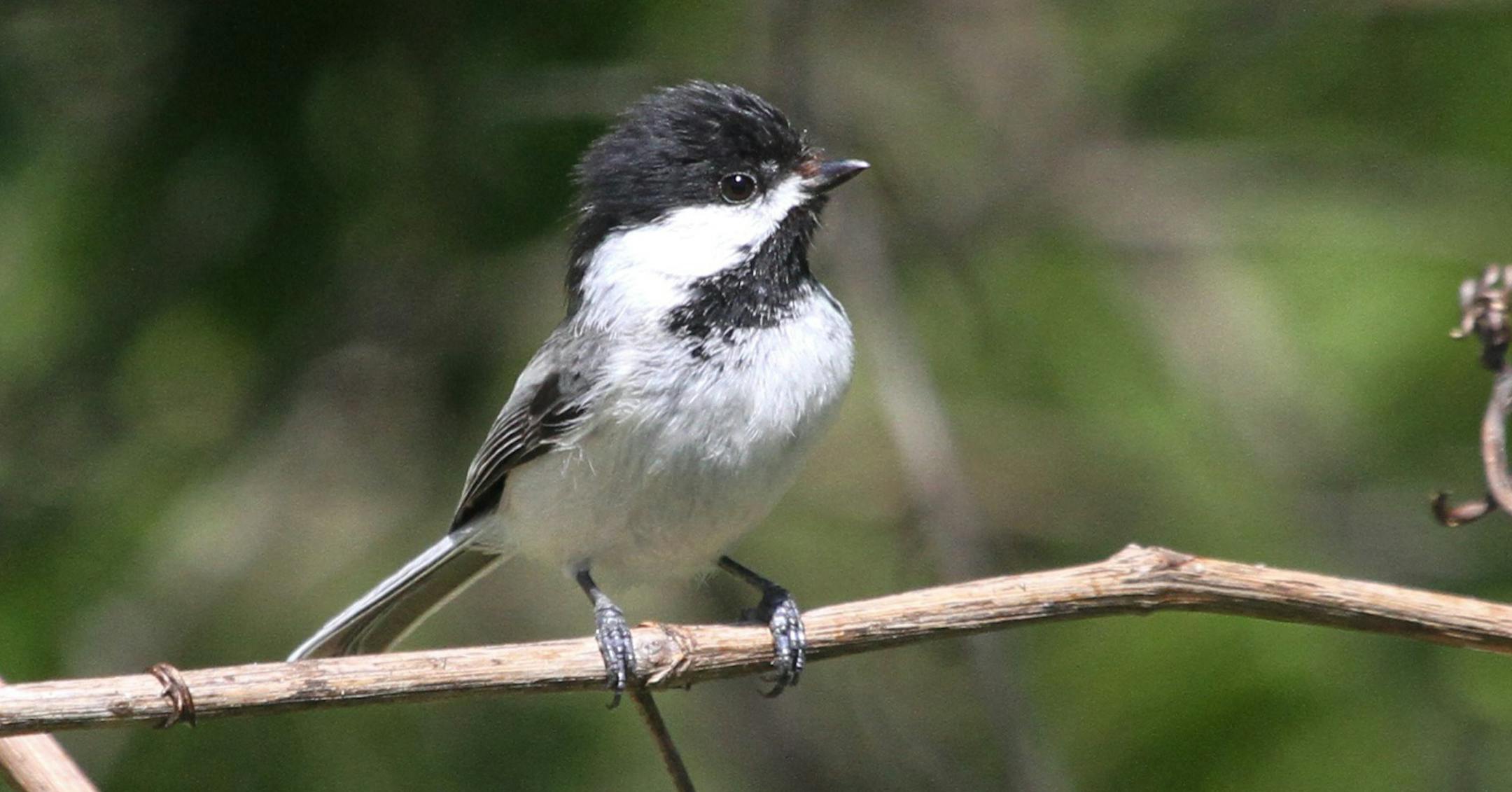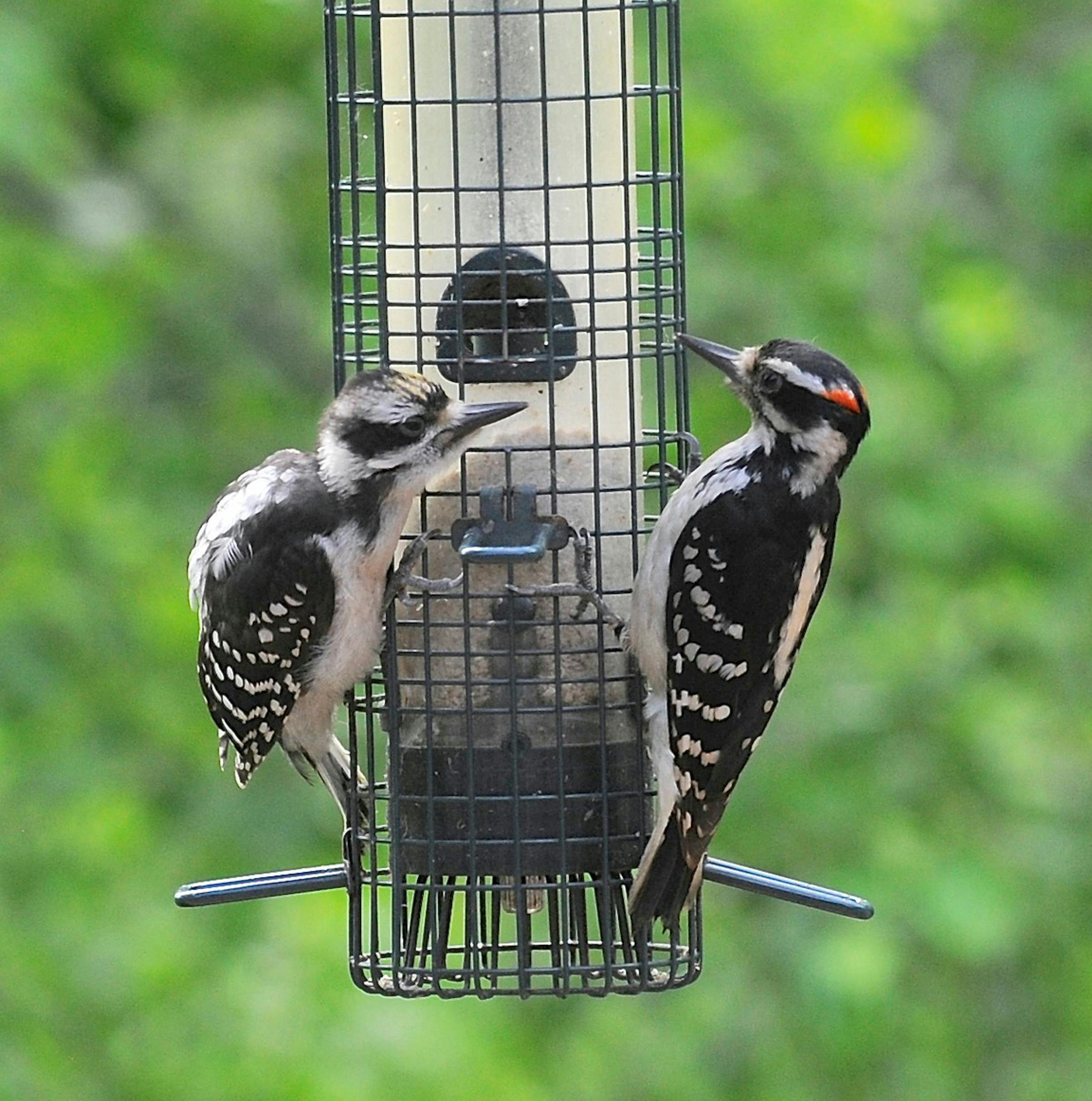
Birds make their lives look easy but it's incredibly tough to grow up out in nature. Just two months after leaving the nest, fledglings will either be starting out on their first migration or preparing for winter's blasts. Think of four young Baltimore orioles or chickadees lined up on a branch in July.
By next spring, only one of those four will still be alive, that's the cold hard truth of it. This is the most dangerous time in their lives, and nature isn't forgiving of rookie errors. Young birds have to learn and learn quickly. Some skills are hard-wired into their brains but still need to be practiced and perfected, while others may not be a matter of life or death but are critical to future success.
Staying alive
A young bird's foremost task is learning to evade all the creatures, from cats to hawks to snakes, that want to catch and eat them. This is the ultimate on-the-job training, requiring all senses to be attuned for potential peril, all of the time. Birds must constantly scan their environment and learn to listen to alarm calls made by other birds.
For example, a young catbird recently hopped under my bird feeders just as a chickadee, hidden in some shrubbery, emitted an extremely high-pitched whistle — its danger call. Seconds later a Cooper's hawk cruised through the backyard, but the catbird, recognizing the dee's signal, had gone into hiding and escaped this bird-eating predator.
Many young birds fly out of their nests, while others develop flight ability within a few days of hopping to the ground, but in both cases these skills are rudimentary. They need to learn to bank and turn and tuck in for a landing and many other elements of flight before they become masters of the air. Kim Gordon of Minneapolis tells of observing a young blue jay that aimed to land on a telephone line, "but would grab on and somersault around its unsuitable thinness, calling like mad."
Those birds that are migratory need to be ready for a long flight as summer nears its end, requiring strong flight muscles and a significant weight gain to fuel their early flights. Those that remain through the winter must begin preparing for the cold — some hide food for later retrieval while others, woodpeckers especially, create a roost site for winter nights.
Places to sleep and hide are important to survival. Several years ago house wrens raised their brood in cracks in a stone wall in my backyard. Once the little wrens left the nest they scurried back to the wall's crevices at the first hint of danger.
Is this food?
As Duluth naturalist Laura Erickson notes, "Figuring out cause and effect, and keen observational skills are excellent qualities for an opportunistic omnivore," like blue jays and other highly intelligent birds. Even birds with less flexibility in their diet will learn by tasting.