

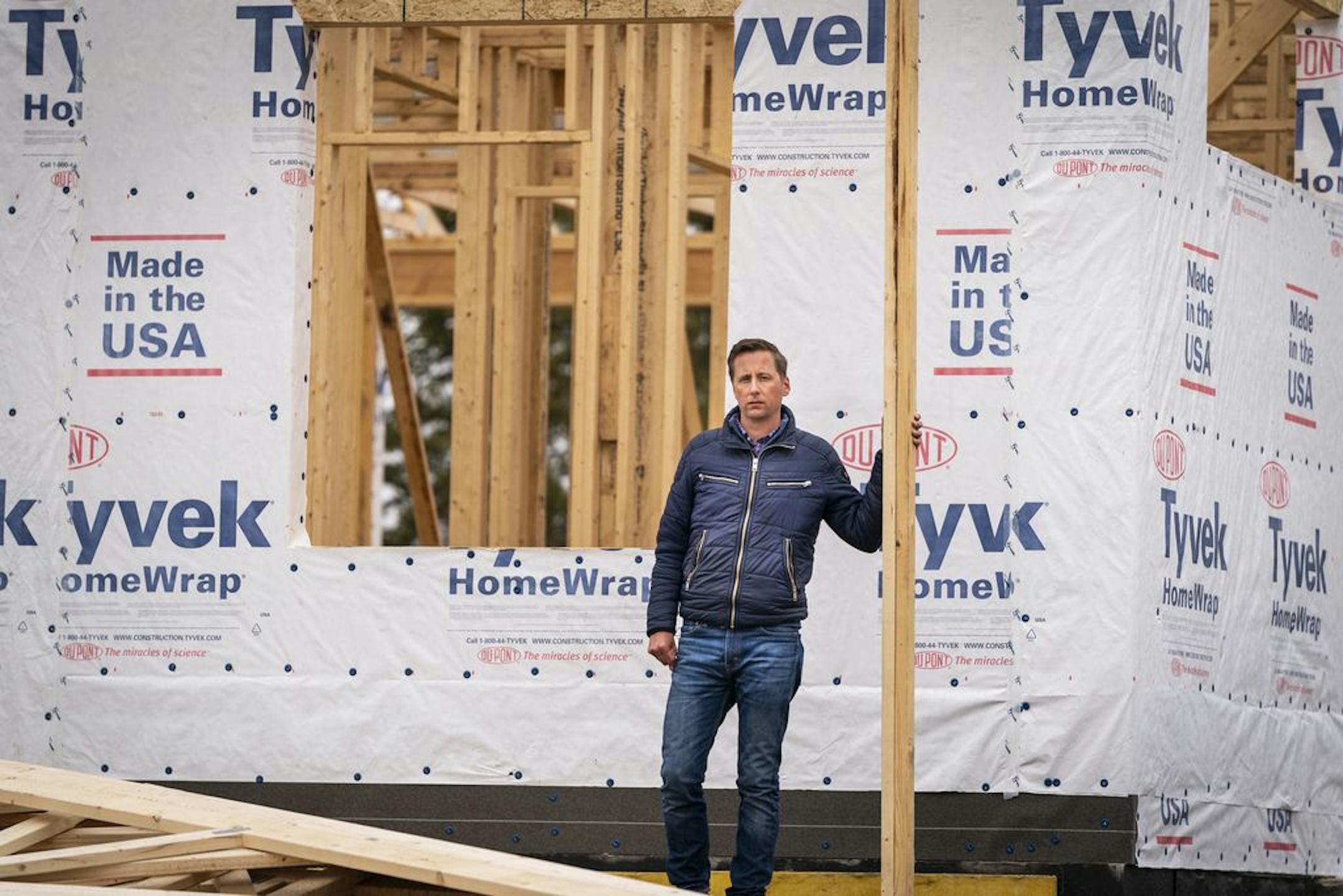
Just a couple weeks ago, Tony Wiener's Oakdale-based homebuilding and remodeling company was on track to have one of its busiest years ever. Today, he's grappling with what appears to be a sudden recession that could shrink his business by nearly half this year.
"We're on edge," said Wiener, who lost one new home buyer and two remodeling jobs this week. "We're just waiting for the next shoe to drop."
As schools close and bars and restaurants shutter, homebuilders are still hammering away across the Twin Cities metro on job sites where social distancing happens naturally and for the most part isn't difficult to accomplish. But in the midst of what was expected to be a near-record year for home and apartment construction, the industry is facing a barrage of challenges that could quickly slow homebuilding in the Twin Cities, which is already navigating a dire shortage of housing in some parts of the metro.
Aside from the question of whether people can afford to buy a home or rent an apartment in the coming months, tops on builders' list of concerns is that suppliers will no longer be able to deliver key building components and that municipal building inspections will slow or be halted, shuttering job sites during the prime construction season.
"If one of those dominoes falls, it'll temporarily shut down construction," said Wiener, who expects to build 10 houses this year compared with a pre-COVID-19 forecast of 15 to 18 homes. Wiener and other builders expect buyers who are making elective purchases to hit the pause button. That includes one of Wiener's clients, an empty-nester who had planned to buy a one-level, villa-style home in Woodbury where prices start at $390,000. Wiener had another client, a small-business owner, say he was worried about cash flow and canceled a $10,000 upgrade.
One of the most critical pieces of the development puzzle happens far from those job sites in city halls and planning departments across the metro where developers seek approvals to open new subdivisions. There's growing concern within the industry that if municipal meetings are canceled or delayed, there will be delays in bringing new building sites to a market that's already constrained — and expensive. Such projects typically take a year to get approved, so delays this spring could limit the supply of new sites next year.
"A lot of developers are trying to get in front of councils," said David Siegel, executive vice president of Housing First Minnesota. "If they can't, we're literally going to delay projects to a subsequent year."
During February, a near-record number of permits were issued to build new houses and apartments in the Twin Cities, but that data doesn't reflect what's happening on the ground in recent days. Builders are now concerned about how to market their homes without putting buyers at risk. On Tuesday, Housing First took the unprecedented step of suspending the biggest marketing event of the year for homebuilders, the Parade of Homes Spring Preview, until at least April 2. Another key event, the Remodelers Showcase, was canceled.
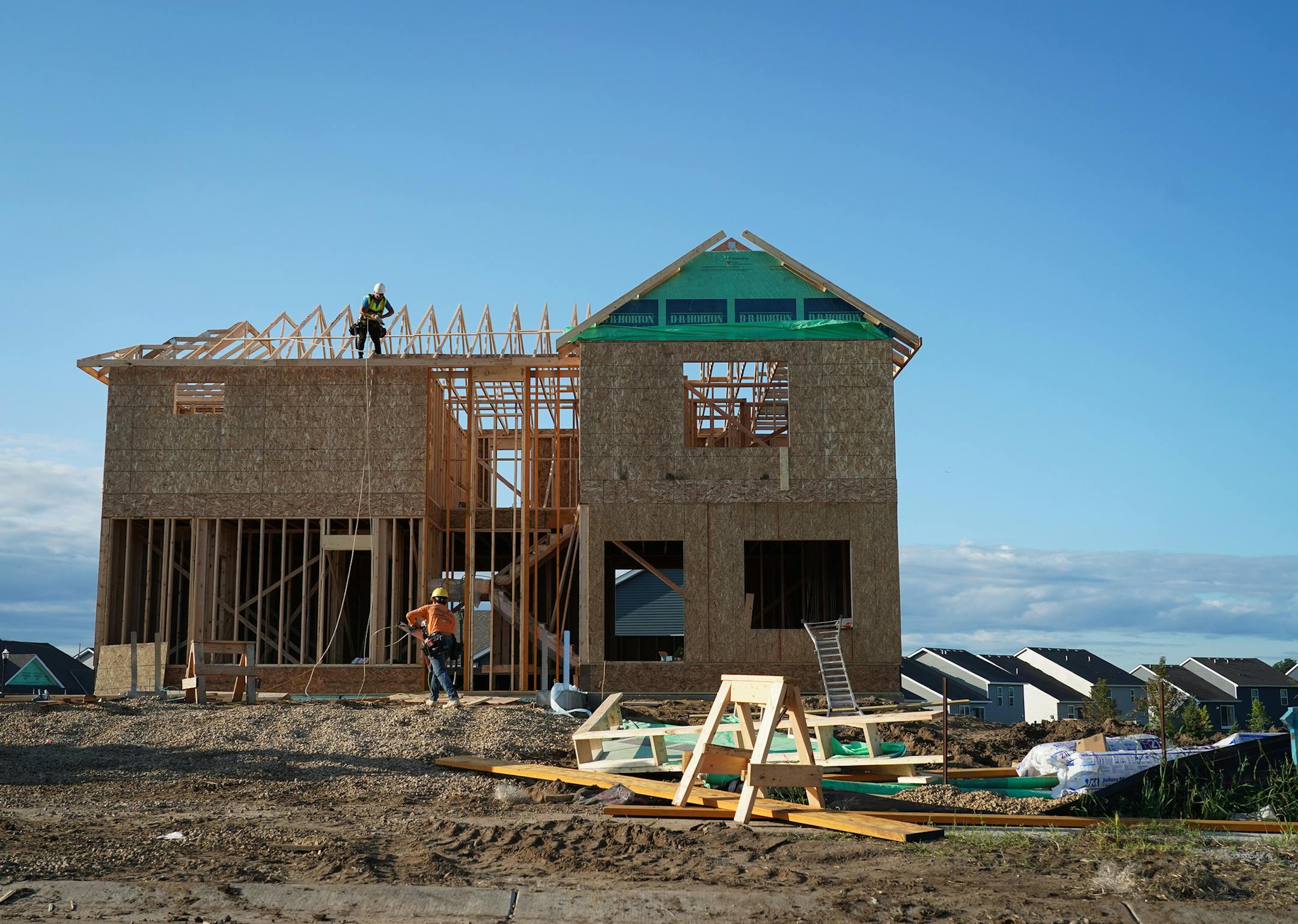
![Tony Wiener of Cardinal Homes posed for a photo at the site of one of his homes being built in Woodbury. ] LEILA NAVIDI • leila.navidi@startribune.com BACKGROUND INFORMATION: New home construction in Woodbury on Wednesday, March 18, 2020. Home builders in the Twin Cities are bracing themselves for tough times ahead during what's supposed to be the busiest home buying season of the year. Already, some buyers are canceling sales, but builders have other worries including the prospect of sup](https://arc.stimg.co/startribunemedia/FCSDRDG6Q3LM6KKHEPA43MMADM.jpg?&w=1080)


