

Philadelphia meteorologist Cecily Tynan was on vacation when her six-year-old dog, Sandy, became sick.
The symptoms were a bit of a mystery, Tynan posted on her Facebook page.
Sandy, the youngest of Tynan's three dogs, developed severe bleeding from her mouth after playing with a stick. The next morning after a bout of black diarrhea, the family took Sandy to an emergency veterinarian.
Tests and X-rays couldn't pinpoint the source of the problem. They left with antibiotics and some medication to settle Sandy's upset stomach, Tynan said.
The next day, Sandy's symptoms grew worse. She was very lethargic, hiding under the bed and holding up her paw. Tynan assumed Sandy's paw was sore from the blood tests.
Two days later, when the dog was unable to use both front legs, they were back at the vet.
This time there was a diagnosis: Lyme disease.
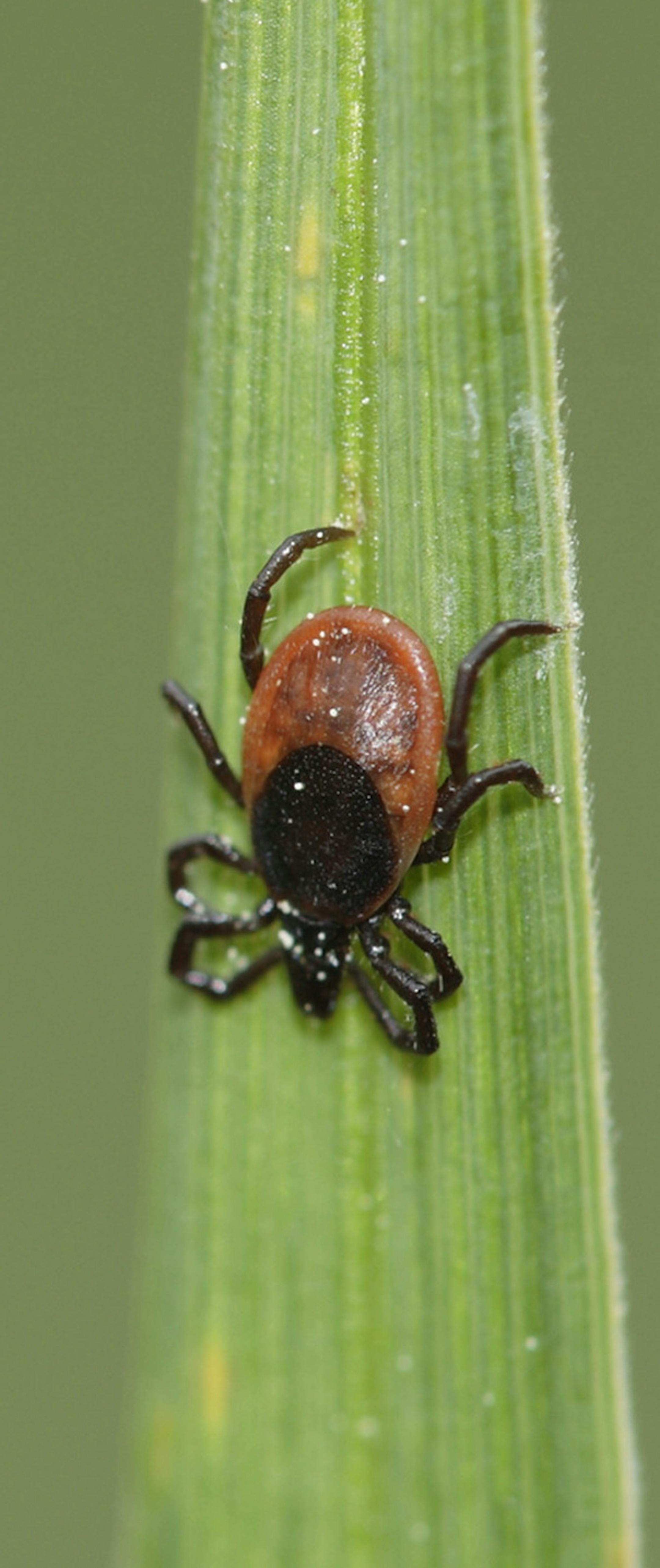
Tiny black-legged ticks, also known as deer ticks, are the primary carrier of the bacterium that causes Lyme disease — a wormlike, spiral-shaped bacterium called Borrelia burgdorferi, according to the American Veterinary Medical Association (AVMA).


