When things go as they should in the natural world, following cycles set down ages ago, we tend to take them for granted, not giving much thought to the wonders around us.
Take the migration of birds: It may start subtly, without our noticing that the back-yard catbird is no longer calling or that orioles haven't been seen for some weeks. Robins, so visible in summer, either become an unusual sight or show up in flocks.
Swallows gather on utility lines, chattering noisily between great sweeping flight forays, and bluebird families fly overhead, singing their soft songs to stay in touch.
Fall migration clears forests, meadows, parks, lakes and marshes of all but the resident birds. Billions of them are already heading southward, or are getting ready to go.
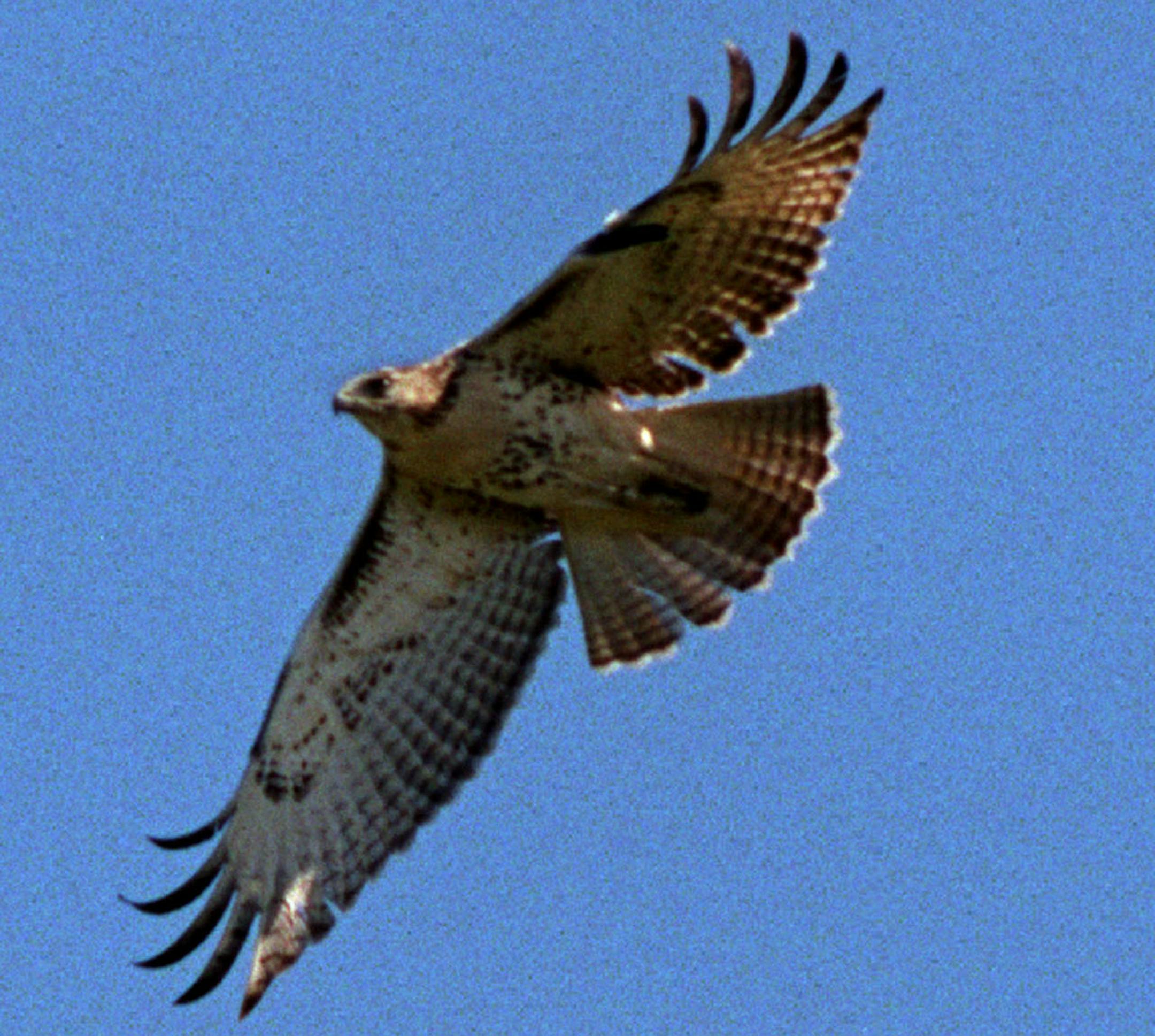
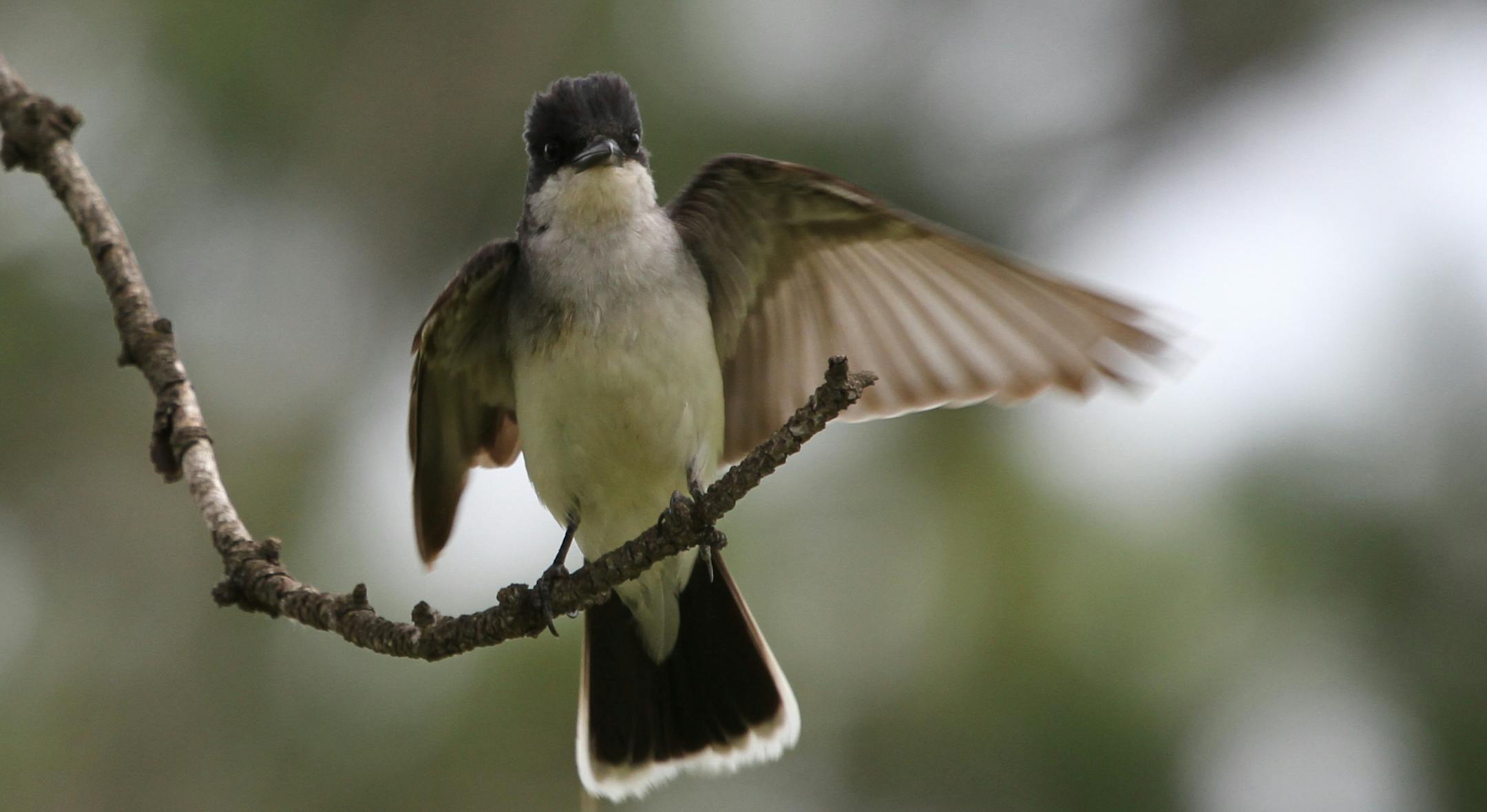
About two-thirds of the birds that spend the warm seasons here will be gone by late fall, including thrushes, grosbeaks, most raptors, wading birds, shorebirds, hummingbirds and swifts. Some, like the chestnut-sided warbler and the rest of its clan, will travel long distances before setting down in the tropics for the winter. (We saw some of these handsome little birds in Cuba in March.)
Others, like robins, may travel only a few hundred miles, to warmer states where fruit is abundant.
(Robins do their best to confuse us, because they are migratory, but some from farther north may settle in our area for the winter, making it seem as if they've stayed around all year. Goldfinches and blue jays are known to do this, too, with those heading south being replaced by more northerly birds, until the populations switch back in the spring.)
Credit is due
Birds may make it look easy, but migration is full of dangers and uncertainty. For example, fall migration peaks at prime hurricane season, when many birds need to cross the Gulf of Mexico. Think of tiny hummingbirds with feet gripped tightly on shrubs lashing in the wind as they wait to make the 500-mile crossing.