The Wright-Patterson Air Force Base, in Dayton, Ohio, is so sprawling, it has its own ZIP code. But in the early 1900s, it was the prairie where the Wright brothers used to test their invention, the airplane.
There's no bigger monument to the Wrights than the National Museum of the United States Air Force.
The Air Force museum is open 9 a.m. to 5 p.m. every day but three (Thanksgiving, Christmas Day and New Year's Day). And it's free.
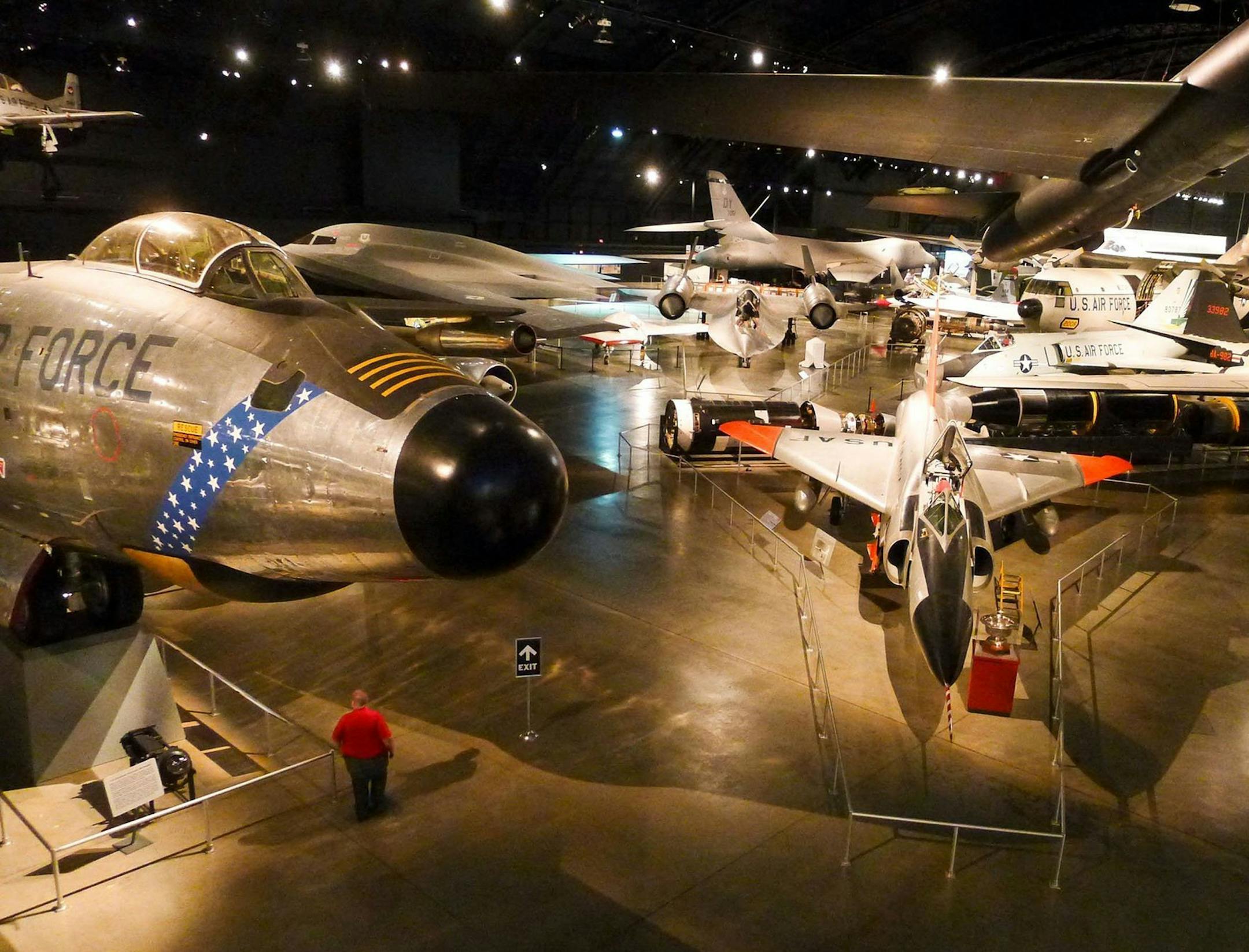
That last part is amazing when you see how much you get at what is billed as "the world's largest and oldest military aviation museum."
Most of the exhibits are inside three interconnected aircraft hangars. More varied aircraft than most people can imagine are hanging and otherwise artfully arranged inside the cavernous spaces, dramatically spotlit and decorated with realistic mannequins and other props.
As my first-grader put it, "The fake people are kind of freaky. They look right at you!"
The individual planes are mapped on the foldout "aircraft locator" that we received upon entering and that showed how they are grouped by eras. Rather than start with the Wrights in the "Early Years" exhibit, we were drawn into the "World War II" gallery, so thick with history that it really felt a little like traveling back in time. The airplanes and the context are illuminated by videos, soundtracks and related artifacts.
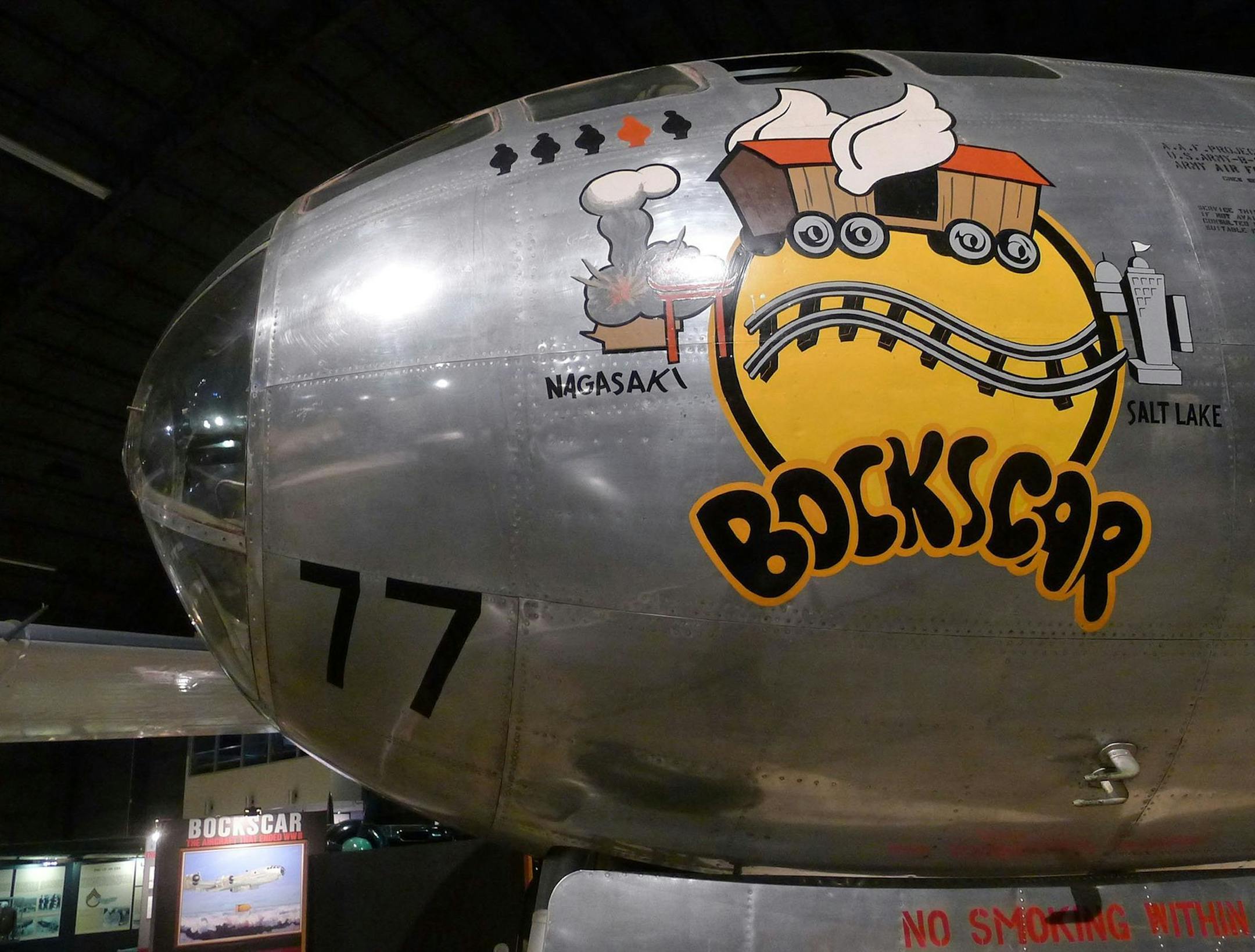
I found myself learning about lesser-known things, such as "The Hump" that Allied pilots had to fly over from India to China. And I found myself moved to see better-known things, such as "The Aircraft that Ended WWII" — the "Bockscar" B-29 Superfortress that dropped the Fat Man atomic bomb on Nagasaki.