World briefs from the Economist

May 12, 2014 at 11:48PM
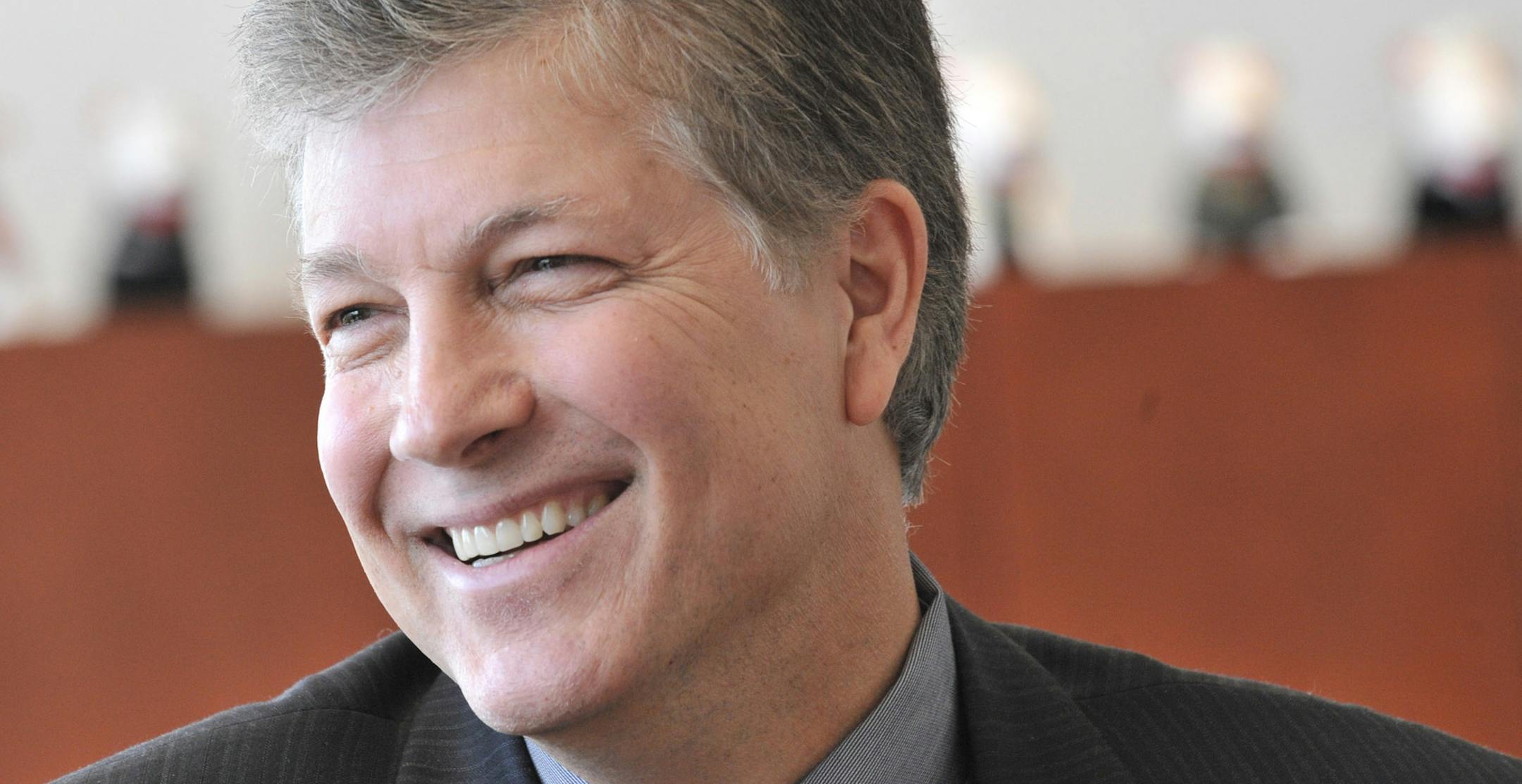
GLEN STUBBE ï gstubbe@startribune.com -- Tuesday, April 29, 2008 -- Minneapolis, Minn. -- Gregg Steinhafel, incoming CEO of Target Corp in Target's Corporate headquarters on Nicollet Mall in Minneapolis.
GLEN STUBBE ï gstubbe@startribune.com -- Tuesday, April 29, 2008 -- Minneapolis, Minn. -- Gregg Steinhafel, incoming CEO of Target Corp in Target's Corporate headquarters on Nicollet Mall in Minneapolis. (The Minnesota Star Tribune)

Global business

Politics intruded on two megabids by American companies for European ones. In Britain, David Cameron, the prime minister, tempered his early enthusiasm for Pfizer's offer for AstraZeneca after being accused by the opposition of being a "cheerleader" for Pfizer, and told Parliament that he wanted more commitments on jobs and R & D.

Meanwhile, the French government increased the pressure on General Electric to improve its offer for Alstom's energy assets. Francois Hollande, the president, raised the threat of blocking the bid unless jobs and French interests were secured. The industry minister said that the government was motivated by "economic patriotism" rather than protectionism.

There was no letup in the frenzy of acquisitions in the drugs industry, as Germany's Bayer agreed to buy the consumer-care business of America's Merck for $14.2 billion in a friendly deal. The division includes Claritin, a pill for allergies. The pair also decided to collaborate in developing drugs for heart disease.

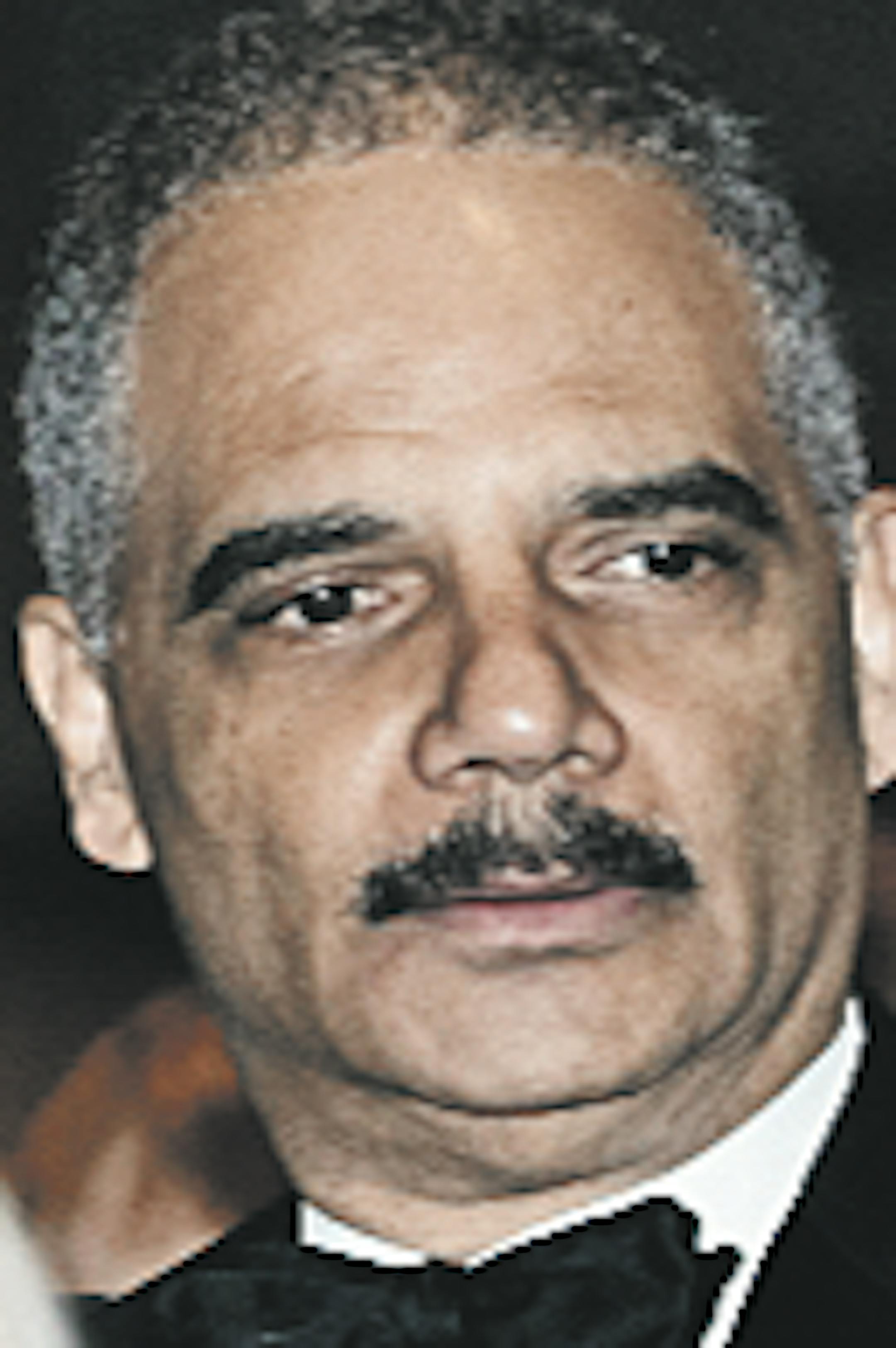
Switzerland signed a pledge by dozens of countries to respect a new global standard for sharing account details in an effort to fight tax evasion. The country has come under pressure from America to reform its secretive banking regime. Regarding tax evasion, Eric Holder, the U.S. attorney general, said recently that no bank is "too big to jail."

Barclays provided an update to its restructuring effort and said it would now cut 19,000 jobs across the company by 2016, 7,000 of which will be at its investment bank. Antony Jenkins, the chief executive, described it as "a bold simplification" plan, from which Barclays will emerge as a "focused international bank."

BMW reported a record first quarter for the number of vehicles it sold. The German premium carmaker was boosted by a 25 percent rise in sales in mainland China.

The latest battle in the patent wars between Apple and Samsung ended in a California courtroom with a mixed verdict. Apple had sought $2 billion in damages for five infringed patents, but the jury awarded it just $120 million for three infringements. The jury also found that Apple had infringed on one of Samsung's patents, and awarded it lesser damages.

Political economy

Thailand's constitutional court forced Yingluck Shinawatra to step down as prime minister after ruling that she had abused her power by removing a security official from his job. She agreed to leave office and was later charged with negligence in a disastrous rice-subsidy scheme. The legal decisions do little to heal Thailand's fractured political scene. An election is scheduled in July.
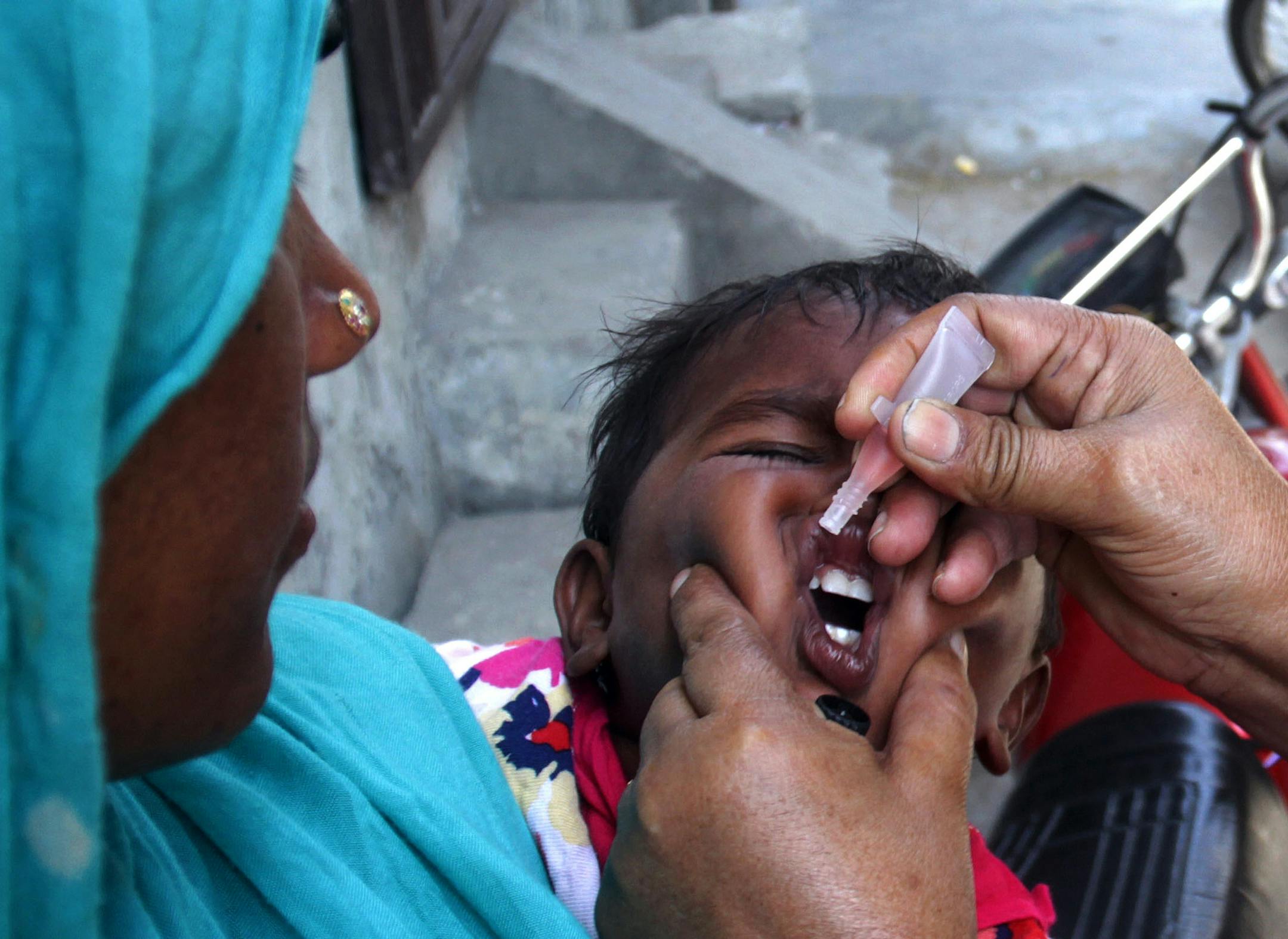
The World Health Organization called for a coordinated international response to the spreading polio virus, which it said constitutes an "extraordinary event." It singled out Cameroon, Syria and particularly Pakistan — where the Taliban has waged a violent campaign against vaccination as an anti-Islamic plot — for posing the greatest risk of spreading the disease.

The Cuban authorities announced that they had detained four Miami residents for allegedly planning to attack military installations. Hopes of a thaw in Cuban-American relations had already been dampened by America's decision to keep designating Cuba as a state sponsor of terrorism.

Cornelius Gurlitt, the son of a Nazi-era art dealer whose looted collection was discovered last year, died in Munich. His death leaves unanswered questions about the original owners of the collection, which included works by Picasso and Renoir. Gurlitt had insisted that the works were bought from art dealers and museums.

France's unpopular president, Francois Hollande, promised that he would not stand for re-election in 2017 unless he manages to cut unemployment and get the economy moving. Hollande's Socialist Party was defeated at local elections in March and is expected to be punished again by angry voters in the European elections. "I have nothing to lose," he said on television.

Abdel Fattah al-Sisi, a former field marshal who led last year's coup in Egypt, opened his campaign for president with a five-hour television interview. He stated that there could be no reconciliation with the Muslim Brotherhood, whose government he ousted.


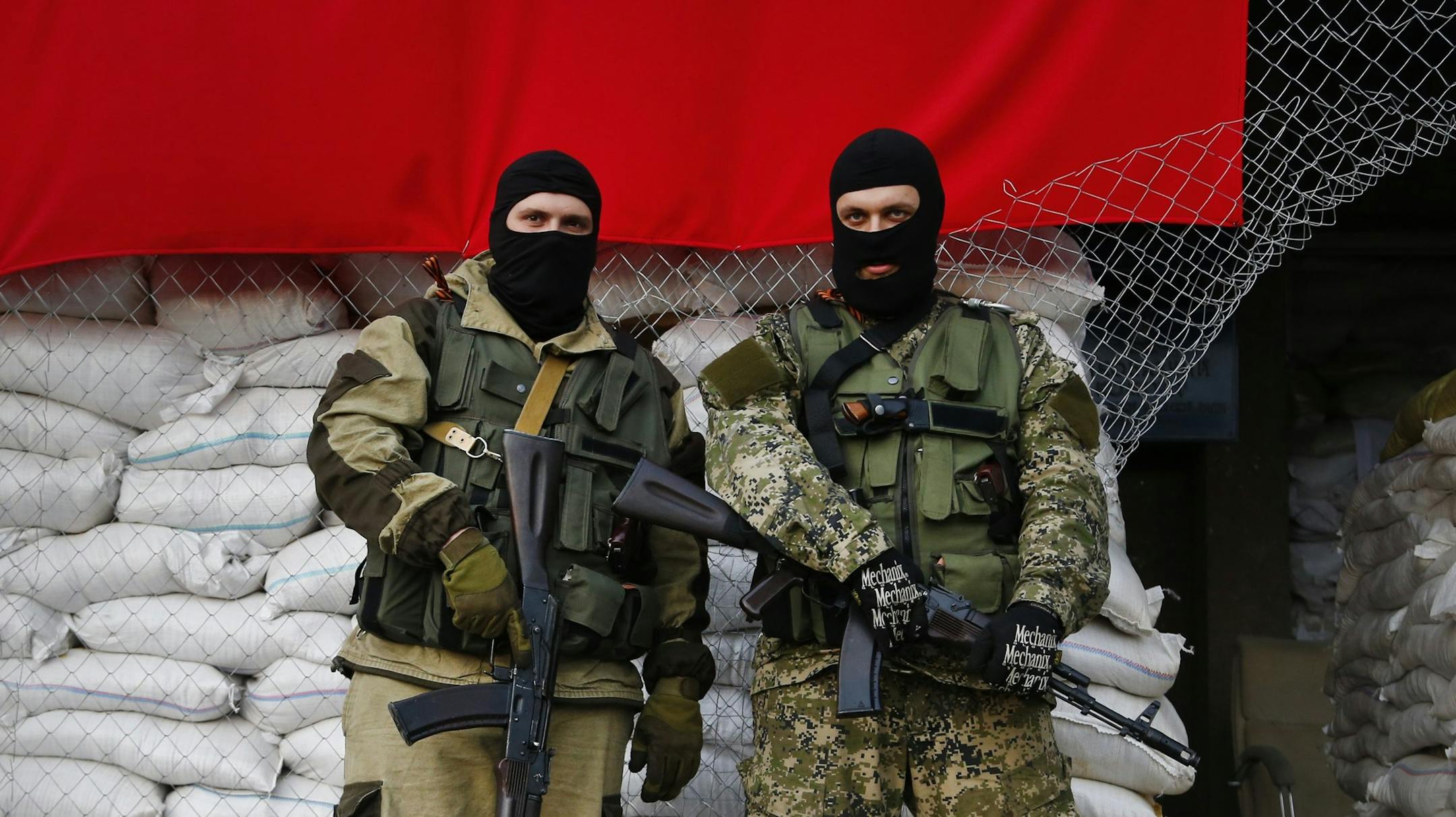
Armed Pro-Russian men guard barricades in front of city hall in Slovyansk, eastern Ukraine, Monday, April 21, 2014. The self-proclaimed mayor of Slovyansk in eastern Ukraine, Vacheslav Ponomarev is appealing to Russia to send in peacekeeping troops after a shootout at checkpoint near the city manned by pro-Russia insurgents. (AP Photo/Sergei Grits)
Armed Pro-Russian men guard barricades in front of city hall in Slovyansk, eastern Ukraine, Monday, April 21, 2014. The self-proclaimed mayor of Slovyansk in eastern Ukraine, Vacheslav Ponomarev is appealing to Russia to send in peacekeeping troops after a shootout at checkpoint near the city manned by pro-Russia insurgents. (AP Photo/Sergei Grits) (The Minnesota Star Tribune)
A Pakistani health worker gives a child a polio vaccine in Lahore, Pakistan, Monday, May 5, 2014. For the first time, the World Health Organization on Monday declared the spread of polio an international public health emergency that could grow in the next few months and unravel the nearly three-decade effort to eradicate the crippling disease. (AP Photo/K.M. Chaudary)
A Pakistani health worker gave a child a polio vaccine in Lahore, Pakistan. Islamists there oppose the inoculations. (The Minnesota Star Tribune)
Holder (The Minnesota Star Tribune)
about the writer

about the writer

More from Business

See More
card image
card image