
Why are so many people popping vitamin D?

Millions are popping supplements, but proof of benefits is scant.

The New York Times
April 16, 2017 at 4:01AM
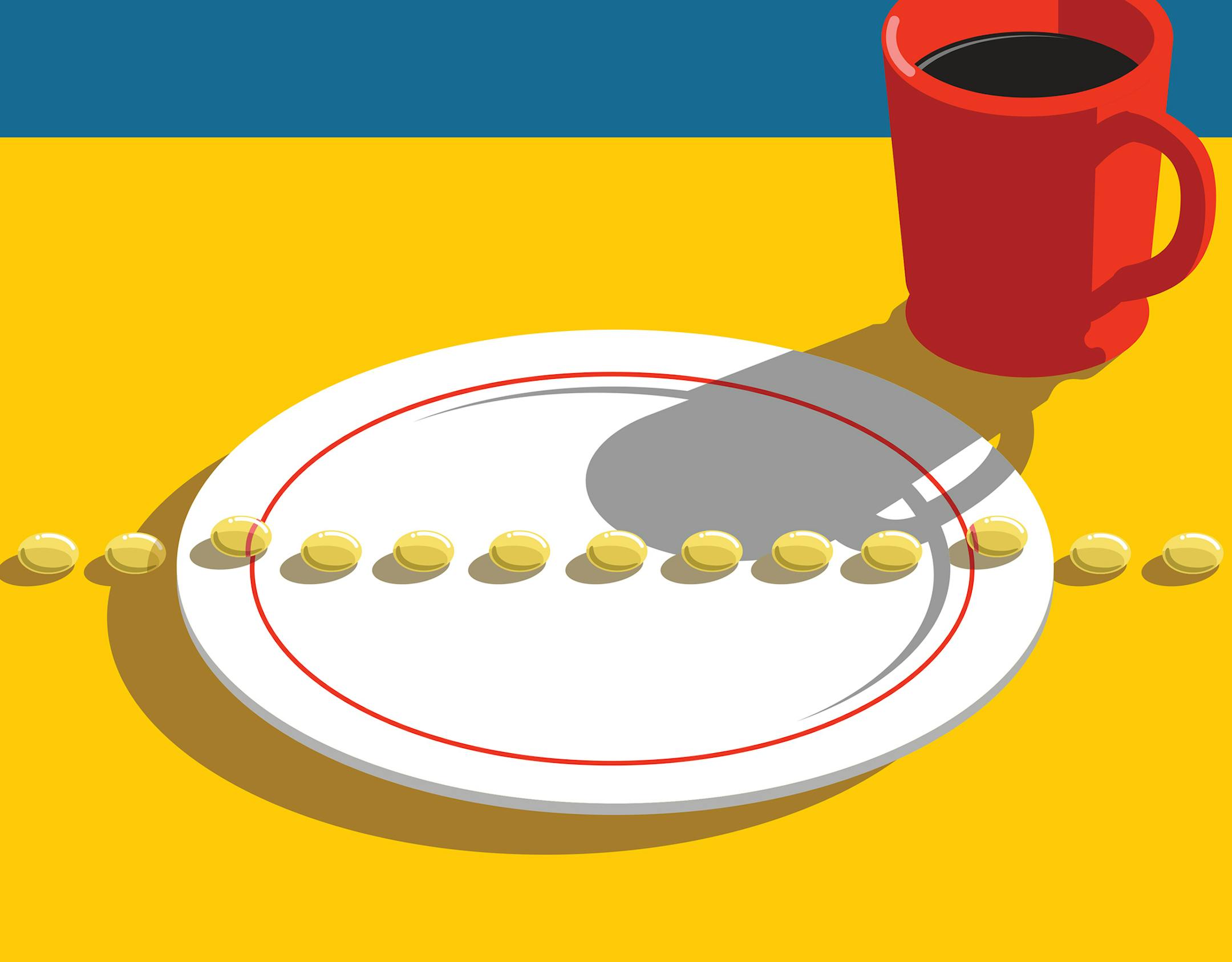
Millions of people are popping vitamin D supplements for a host of maladies despite a lack of evidence that it helps. There is no epidemic of vitamin D deficiency, experts say, yet pointless testing and treatment are rampant. (Craig Frazier/The New York Times)
‘Patients began asking for it’: People are taking vitamin D supplements for a host of maladies despite a lack of evidence that it helps. There is no epidemic of vitamin D deficiency, experts say. (The Minnesota Star Tribune)

There was no reason for the patients to receive vitamin D tests. They did not have osteoporosis; their bones were not cracking from a lack of the vitamin. They did not have diseases that interfere with vitamin D absorption.

Yet in a recent sample of 800,000 patients in Maine, nearly 1 in 5 had had at least one test for blood levels of the vitamin over a three-year period. More than one-third got two or more tests, often to evaluate such ill-defined complaints as malaise or fatigue.

The researchers who gathered the data, Dr. Kathleen Fairfield and Kim Murray of the Maine Medical Center, were surprised. Perhaps they shouldn't have been.

Millions of people are popping supplements in the belief that vitamin D can help turn back depression, fatigue, muscle weakness, even heart disease or cancer. In fact, there has never been widely accepted evidence that vitamin D is helpful in preventing or treating any of those conditions.

But so firm is this belief that vitamin D has become popular even among people with no particular medical complaints or disease risks. And they are being tested for vitamin D "deficiency" in ever greater numbers.

The number of blood tests for vitamin D levels among Medicare beneficiaries, mostly people 65 and older, increased 83-fold from 2000-10, according to the Centers for Disease Control and Prevention. Among patients with commercial insurance, testing rates rose 2.5-fold from 2009-14.

Labs performing these tests are reporting perfectly normal levels of vitamin D — 20 to 30 nanograms per milliliter of blood — as "insufficient." As a consequence, millions of healthy people think they have a deficiency, and some are taking supplemental doses so high they can be dangerous, causing poor appetite, nausea and vomiting.

Vitamin D overdoses also can lead to weakness, frequent urination and kidney problems.

"A lot of clinicians are acting like there is a pandemic" of vitamin D deficiency, said Dr. JoAnn Manson, a preventive medicine researcher at Brigham and Women's Hospital in Boston who helped write an Institute of Medicine report on vitamin D.

"That gives them justification to screen everyone and get everyone well above what the Institute of Medicine recommends."

In fact, the institute committee on which Manson served concluded in 2010 that very few people were vitamin D deficient and noted that randomized trials had found no particular benefit for healthy people to have blood levels above 20 nanograms per milliliter.

Still, vitamin D has become "a religion," said Dr. Clifford Rosen, an osteoporosis researcher at the Maine Medical Center Research Institute and a member of the Institute of Medicine's committee.

Vitamin D is a fat-soluble nutrient needed to absorb calcium and phosphorus, and therefore to make bones strong. People do not make their own: We need sunlight to synthesize vitamin D. The vitamin also is found in oily fish and in a few other foods, including milk, which is fortified with the vitamin.

Because many people have little exposure to sunlight, especially those living in northern climates in winter, some investigators became concerned more than a decade ago that large swaths of the population were not getting enough vitamin D.

Beginning around 2000, a series of research papers linked vitamin D levels that are lower, but considered normal, to multiple sclerosis and mental illness, then to cancer risk and bone health.

Blood testing for the vitamin took off. "Patients began asking for it," said Fairfield, the researcher in Maine. "A lot of people thought that if they were fatigued or sad or they did not feel well, they might be vitamin D deficient."

Fairfield, like many other general practitioners, began testing patients, trying to make sure they raised their vitamin D levels above 29, and became concerned that she and other doctors had been too cavalier about the vitamin. "We were worried that there was a lot we were missing," she said.

But when the Institute of Medicine report proved critical of the vitamin D craze, she started telling healthy patients there was no reason for them to be tested. Many did not want to hear that advice.

"People were used to vitamin D monitoring, like with cholesterol," Fairfield said. "They wanted to know what their number is."

about the writer

about the writer

Gina Kolata

More from No Section

See More
FILE -- A rent deposit slot at an apartment complex in Tucker, Ga., on July 21, 2020. As an eviction crisis has seemed increasingly likely this summer, everyone in the housing market has made the same plea to Washington: Send money — lots of it — that would keep renters in their homes and landlords afloat. (Melissa Golden/The New York Times) ORG XMIT: XNYT58
Melissa Golden/The New York Times

It’s too soon to tell how much the immigration crackdown is to blame.