

Too many Minnesota parents and their health care providers are missing a critical opportunity to protect children against cancers that can be spread by a virus.
This disturbing data point fairly leaps out from state health officials' latest update on immunization rates among Minnesota adolescents. Parents are doing a good job bringing in older kids for booster shots to augment childhood vaccinations against diseases such as diphtheria, whooping cough and tetanus. But families are walking out the clinic door without getting another potentially lifesaving vaccine: the set of shots that protects against human papilloma virus (HPV) infection.
HPVs cause nearly 27,000 cases of cancer in women and men annually in the United States, according to the U.S. Centers for Disease Control and Prevention (CDC). "Virtually all cases" of cervical cancer are the result of a long-lasting infection with HPV, according to the National Cancer Institute. The high-profile death of country singer Joey Feek this year from cervical cancer was a grim reminder that this gynecological cancer can kill.
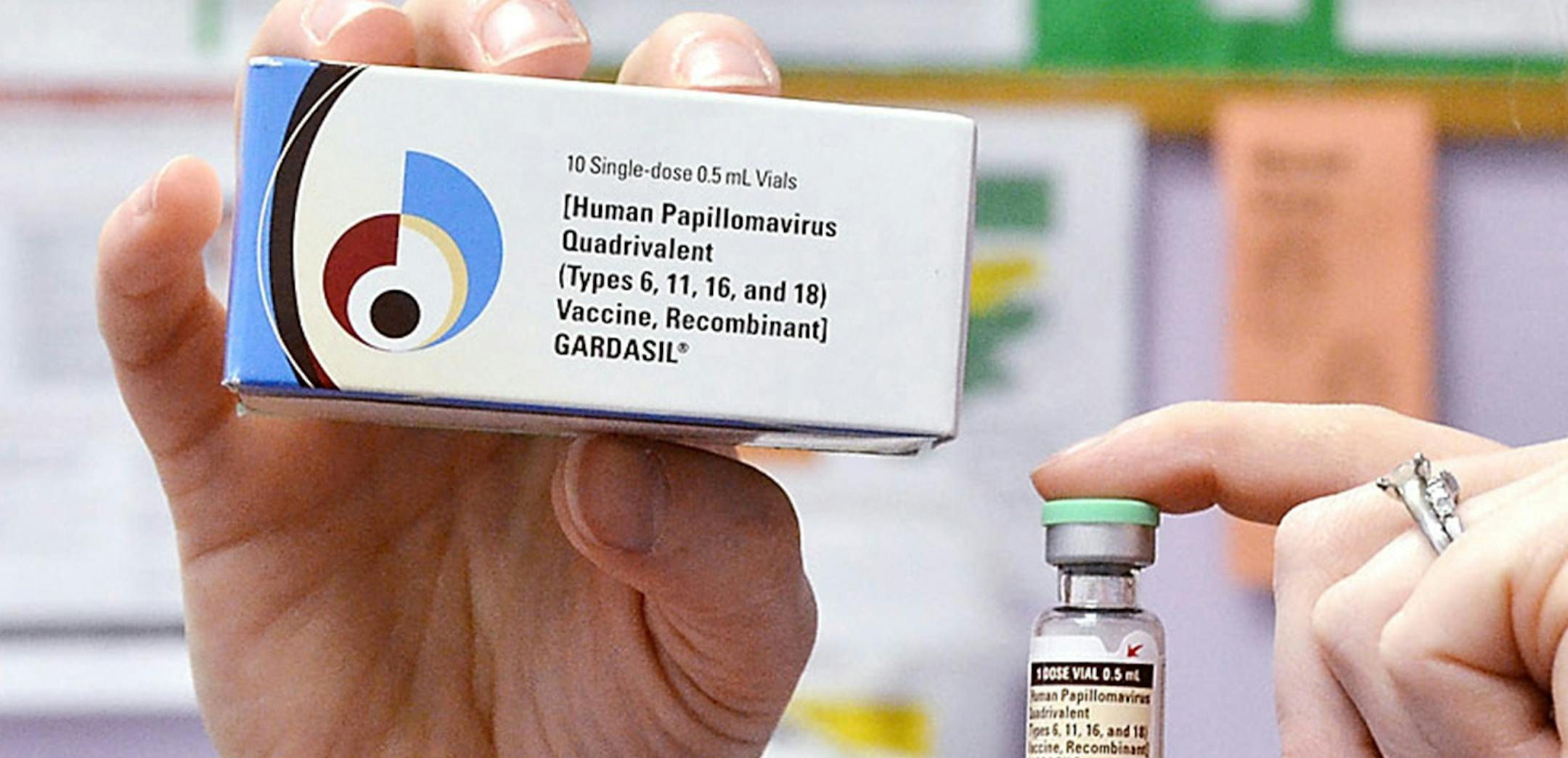
HPV, which is spread by many varieties of sexual activity, can also cause vaginal cancer, cancer of the penis in men, and cancers of the throat and anus in both genders. This is why the vaccine against common HPV strains, marketed as Gardasil or Cervarix, is recommended for boys and girls ages 11 or 12, as well as for unvaccinated teens and young adults.
The vaccine is safe and it is effective. "Since the vaccine was first recommended in 2006, there has been a 56 percent reduction in vaccine type HPV infections among teen girls in the U.S., even with very low HPV vaccination rates,'' the CDC reports. So it is difficult to understand why so many Minnesota kids remain unprotected.
The Minnesota Department of Health's update relies on the CDC's National Immunization Survey. Health officials note that the state's adolescent immunization rates for two other key vaccines easily top national targets. Nearly 91 percent of those ages 13-17 in the state are immunized against tetanus, diphtheria and whooping cough. About 84 percent of that age group are protected against meningococcal infections. The 2015 target percentage for both vaccines was 80 percent.
But far fewer Minnesota adolescents have received all three shots in the HPV series. Slightly less than 45 percent of females are fully protected. For males, that percentage is a dismal 22.4 percent. That the HPV rate is much lower than the older vaccines suggest there is more going on than the usual internet-fueled vaccine-safety conspiracies. Experts theorize that parents may mistakenly believe that teens may become promiscuous if vaccinated against this sexually transmitted virus. But that conclusion is faulty.
Wearing seat belts doesn't cause teens to drive recklessly; the equipment just protects them if errors are made. The same holds true with the HPV vaccine. It's irresponsible to leave so many unprotected.


