

Wells Fargo & Co. is committed to helping finance the Dakota Access pipeline, which will ship almost half a million barrels of crude a day from North Dakota's shale fields to refineries in Illinois, Chief Executive Tim Sloan said.
"We have an obligation," Sloan said Wednesday at a financial conference in New York. "We are one of 17 banks providing a credit facility to one of our customers to build the pipeline. That credit facility was properly vetted and independently reviewed within Wells Fargo, and we thought it made sense."
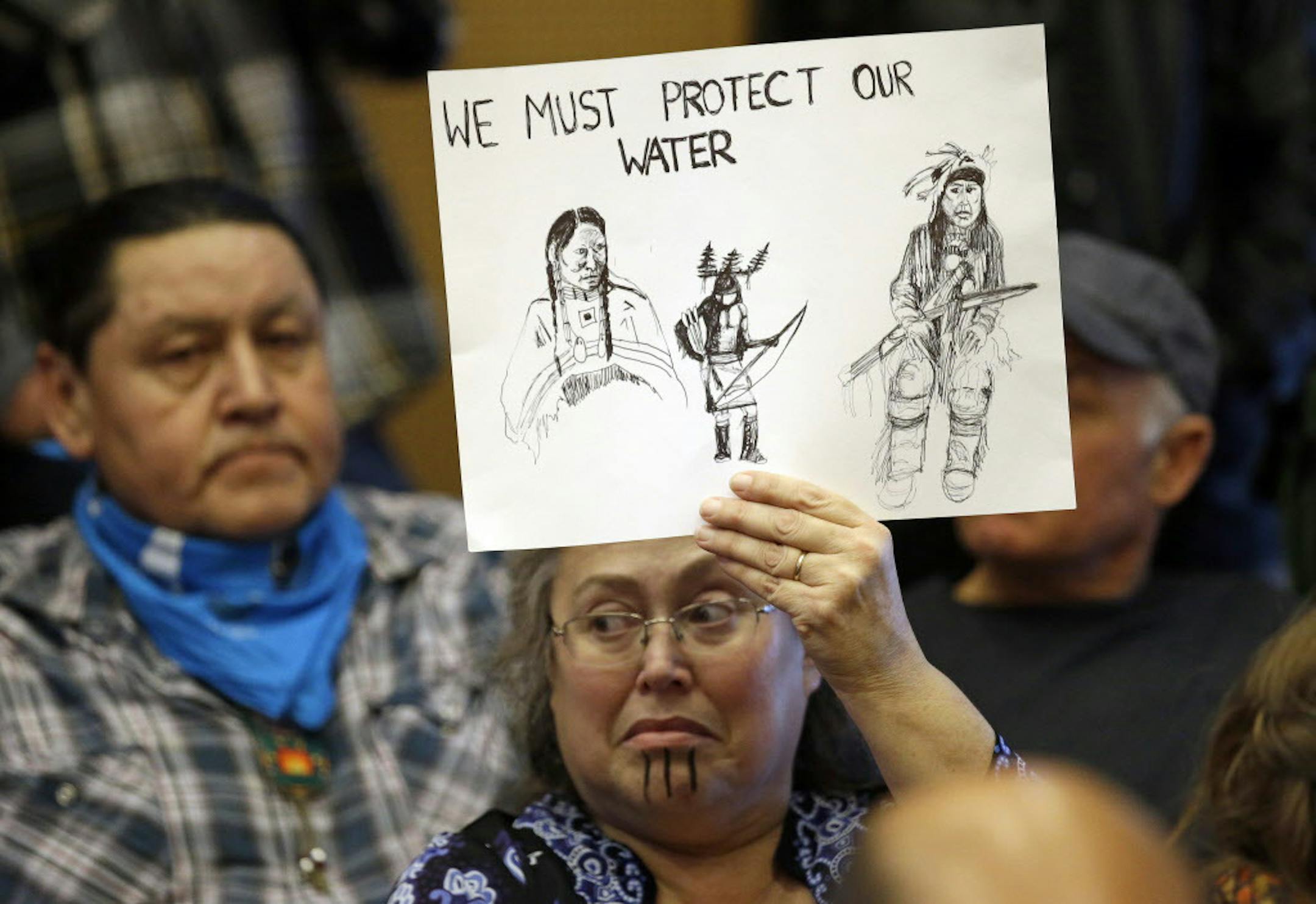
Work on the 1,172-mile project was halted last year by the Obama administration after advocates argued the pipeline would damage sites culturally significant to Native Americans and pose an environmental hazard where it crosses the Missouri River.
Reversing that decision was one of President Donald Trump's first actions after taking office and the U.S. Army has said it will grant the easements necessary to complete it.
In December, the Minneapolis City Council asked staff to explore ways the city could stop doing business with financial institutions that invest in projects such as the pipeline, including Wells Fargo.
The Seattle City Council voted Tuesday to stop doing business with Wells Fargo and pull $3 billion in city funds from Wells Fargo accounts in part because of the lender's involvement. Protesters gathered at Sloan's home in San Marino, Calif., last month to protest the bank helping finance the pipeline, according to the Pasadena Star-News.
The $3.8 billion project was originally scheduled to be operational by the end of 2016. Now it's expected to open June 1, assuming no new obstacles arise, a person familiar with the matter said this month. Energy Transfer Partners, the company building the pipeline, has said that the project would be in service in the second quarter.
Separately, Chief Financial Officer John Shrewsberry, speaking at another finance conference, said Wells Fargo clients are holding off pursuing deals even as the Trump administration pushes policies aimed at reducing regulation.


