

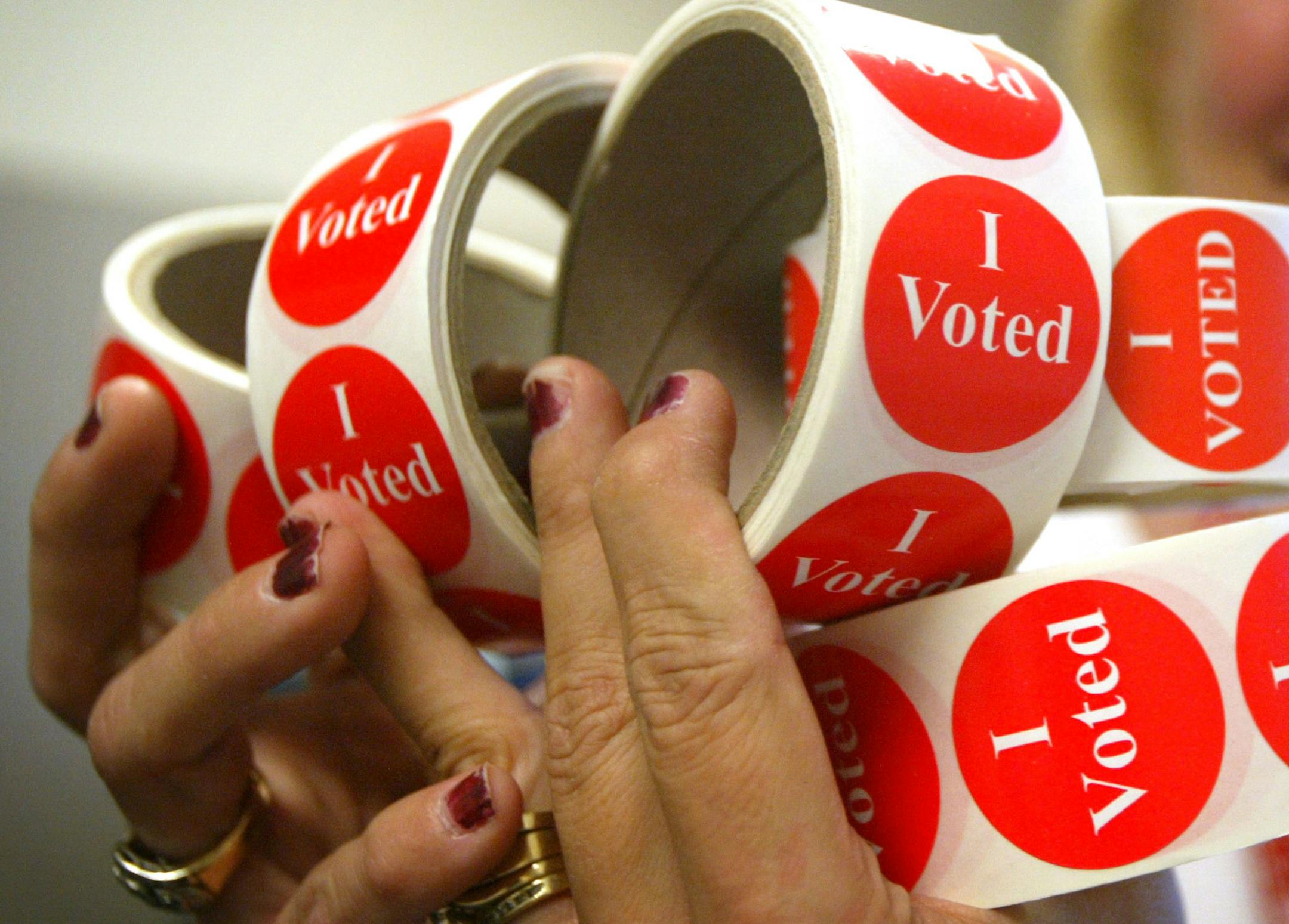
Compared to memorable primary election battles in 1966, 1978, 1982, 1994 and even 2010, this year's major-party primaries offered a fairly tame prelude to the general election campaign. This year — for a change — the biggest contests were in the GOP column. Perhaps because that party is unaccustomed to allowing primary voters to settle nomination fights, its campaigns were light on the sharp exchanges and diversity of perspectives that attract interest outside the party's base.
But what has been a tepid campaign to date should heat up nicely now that the primary ballots have been cast.
Substantial philosophical differences separate GOP gubernatorial nominee Jeff Johnson and Mike McFadden, the party's Senate pick, from the two major-office DFLers seeking second terms, Gov. Mark Dayton and U.S. Sen. Al Franken. Both of the big parties have skillful standard-bearers and the wherewithal to put the opposition to the test. Minnesotans ought to be treated to an engaging exercise in democracy in the next 12 weeks.
A good campaign is more than an audition for a public job. Done right, campaigns for governor and U.S. Senate can enlarge Minnesota's capacity to solve shared problems and sustain a healthy society. It can happen, if candidates concentrate on these topics:
• The economy: Minnesota has emerged from the Great Recession in a position many in other states would envy. GOP candidates will argue that the state's prospects would be stronger still if it would follow the lead of states like Kansas, which has slashed state taxes, and Wisconsin, which has weakened public employee unions. But median incomes and workforce participation in Minnesota are higher than in both of those places.
Johnson and McFadden should be pressed for evidence that they are prescribing effective economic medicine. And Dayton and Franken should do more than play defense. They should discuss next-level strategies for shoring up this state's strongest economic asset — its well-educated, productive workforce. That leads to:
• Education: The achievement gap that deprives nonwhite Minnesotans of the academic success they need to thrive is more than an embarrassment. It's an economic threat. That urgency coincides with a rare opportunity for change, as the baby boomer cohort of educators gives way to a new generation. GOP challengers are right to press for reform in the realm DFLers have been loath to enter — the terms of employment dictated by teachers' union contracts. But the DFL incumbents have made important strides, particularly in early education. They should describe what they'll do next.
• Transportation and infrastructure: Bumpy streets and highways and deficient bridges are only the most visible consequences of Minnesota's decades-long underinvestment in infrastructure. Water quality and flood mitigation are also issues. Decades of deferred maintenance at state colleges and universities are taking a toll.


