
Voter ID heads to vote -- or a ballot

GOP lawmakers plan for constitutional amendment if Dayton vetoes measure.

April 20, 2011 at 11:22AM
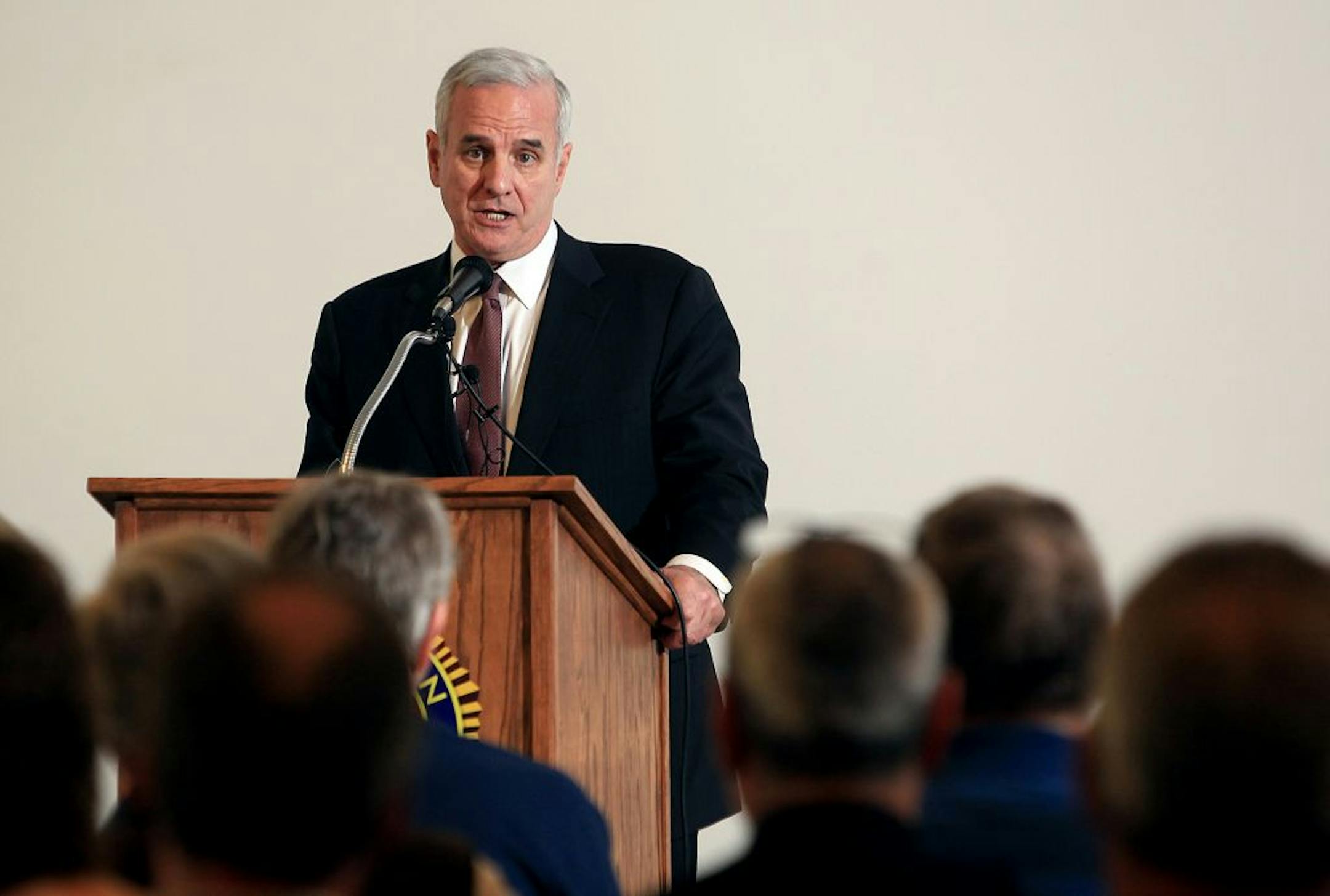
Gov. Mark Dayton has described the voter ID proposal as a "solution in search of a problem," but hasn't said he would veto such a bill.
Gov. Mark Dayton has described the voter ID proposal as a “solution in search of a problem,” but hasn’t said he would veto such a bill. (Associated Press/The Minnesota Star Tribune)

GOP backers of a plan to require photo IDs at the polls are considering an effort to seek a constitutional amendment if the bill is thwarted by a veto.

The controversial voter ID bill is nearing a floor vote after months of hearings and while Gov. Mark Dayton said Tuesday he is willing to look at the bill, he added he is a "long ways from supporting it."

But GOP legislators leaving the Capitol for an Easter break are touting the measure as one of their signature policy proposals of the session, explaining why some lawmakers are crafting legislation that could put it on the ballot in 2012.

It faces strong opposition from groups who say it could hinder some Minnesotans from voting.

The so-called "voter ID" bill would require registered voters to show Minnesota photo identification to vote and would eliminate vouching as a method for Election Day registration.

It also would create an entirely new system of provisional balloting, in which challenged ballots would not be not counted until voters can supply proper identification. To accommodate voters without driver's licenses, the state would begin offering free "voter identification cards."

Minnesota law does not currently require voters to show ID if they have already registered. Nine states do require photo identification to vote and several others are considering such measures.

Supporters say the changes are necessary to prevent voter fraud, which critics dismiss as largely nonexistent in Minnesota. Opponents charge that new requirements to have a Minnesota ID with a current address will disenfranchise seniors and college students, who often do not have up-to-date identification.

Former Secretary of State Rep. Mary Kiffmeyer, R-Big Lake, introduced the voter ID bill in January, but its $60 million pricetag made it a tough sell for lawmakers. A series of changes, including nixing a pricey mandate for precincts to buy scanning machines, reduced that price to about $5 million over two years. One of the largest costs to the state would be a $2.8 million public education campaign. Dayton has called voter ID a "solution in search of a problem," but hasn't explicitly said he will veto it. He would like any election reform legislation to also increase the frequency of campaign finance disclosure.

"I'm willing to look at anything, but I'm a long ways from supporting it," Dayton said Tuesday.

The legislation is expected to reach the House floor in early May, but lawmakers are planning ahead. Kiffmeyer said they are already crafting a bill to turn the ID proposal into a constitutional amendment. That maneuver would bypass Dayton and let voters decide in the next election.

"It's in the works. There's a draft," Kiffmeyer said of the amendment bill. She added that there remains "room for negotiation with the governor," which she expects will happen in the coming weeks.

While the bill enjoys widespread Republican support, Kiffmeyer said no Democrats have voted for it in committee hearings.

Sherri Knuth with the League of Women Voters called the measure "unnecessary, costly and harmful" during a committee hearing Monday.

"A photo ID requirement," she said, "would disenfranchise some of the very people who must work the hardest of all to vote."

Rachel E. Stassen-Berger contributed to this report. Eric Roper • 651-222-1210

about the writer

about the writer

Eric Roper

Curious Minnesota Editor

Eric Roper oversees Curious Minnesota, the Minnesota Star Tribune's community reporting project fueled by great reader questions. He also hosts the Curious Minnesota podcast.

See Moreicon

More from No Section

See More
FILE -- A rent deposit slot at an apartment complex in Tucker, Ga., on July 21, 2020. As an eviction crisis has seemed increasingly likely this summer, everyone in the housing market has made the same plea to Washington: Send money — lots of it — that would keep renters in their homes and landlords afloat. (Melissa Golden/The New York Times) ORG XMIT: XNYT58
Melissa Golden/The New York Times

It’s too soon to tell how much the immigration crackdown is to blame.