

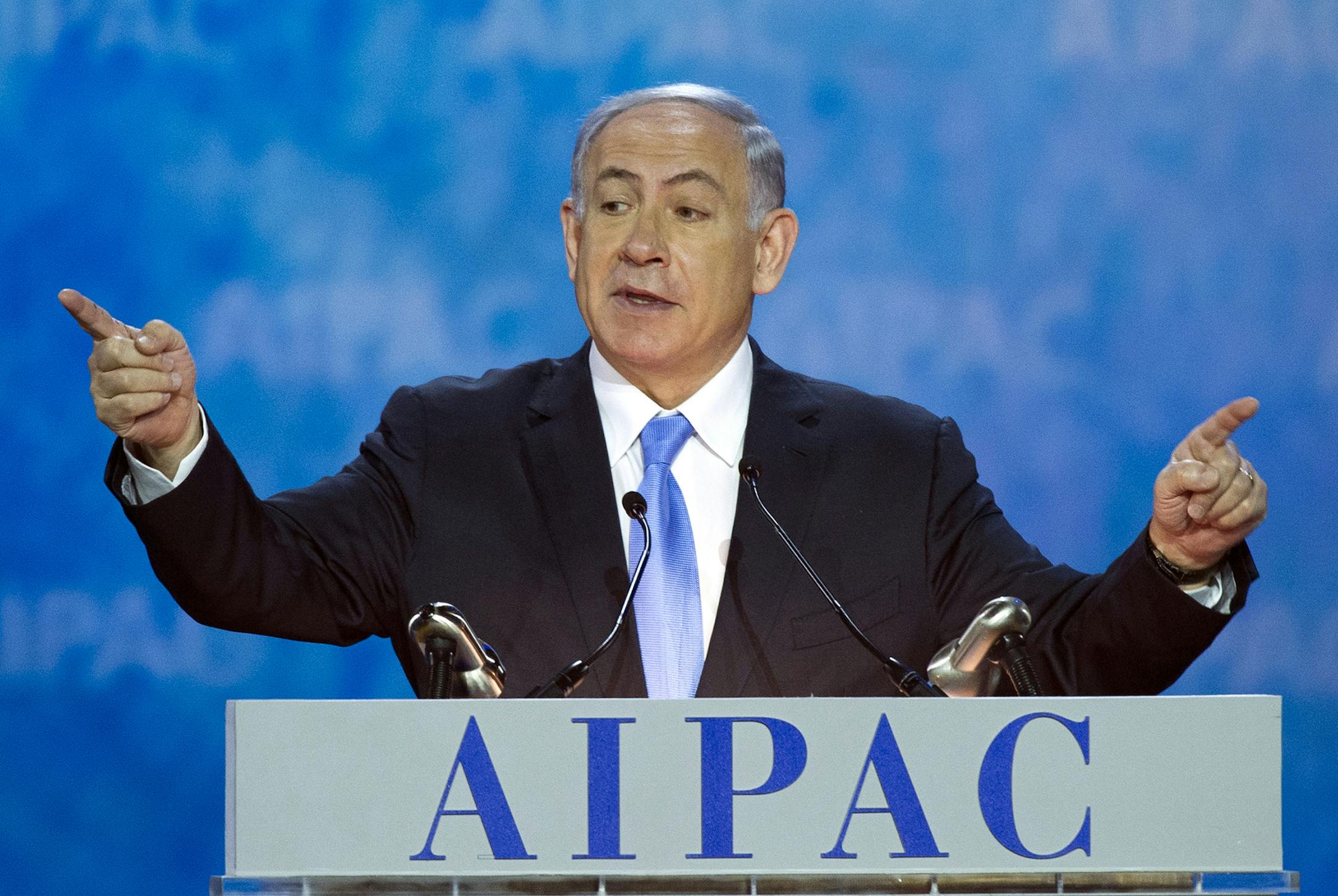
Instead of enhancing Israel's security, the controversy surrounding Prime Minister Benjamin Netanyahu's speech to Congress on Tuesday may actually undermine it.
Israel has a historically strong and critical bond with the United States. Regardless of Republican or Democratic administrations — or whether Likud, Labor, Kadima or coalitions govern Israel — the two democracies have stood stalwart in recognition of shared values and an unflinching assessment of the geopolitical challenges presented by multiple Mideast nations as well as nonstate actors. These threats are intensifying, both at and within Israel's borders. And most menacingly, Iran's potential nuclear weapons program threatens not just Israel, but the world, as other Mideast nations would likely sprint toward proliferation.
This is the issue that should rally Washington and Jerusalem. Instead, politics in United States and Israel have put the focus on an undeniable, and growing, rift between the two allies.
This was avoidable. U.S. House Speaker John Boehner, in a clear breach of diplomatic protocol and an insulting affront to the Obama administration, invited Netanyahu without consulting the White House. Netanyahu, in a tight re-election race, should have recognized the diplomatic damage — as well as the potential for partisan politics to erode bipartisan support for Israel — and respectfully declined.
Instead, Netanyahu will address Congress and an American public increasingly split on its opinions of the prime minister, and even on the state of Israel itself.
A Pew Research Center poll released last week attests to the unhealthy divide. Overall, 38 percent of Americans have a favorable view of Netanyahu, 27 percent have an unfavorable view and 35 percent have no opinion, nearly mirroring self-described independent voters. But there's a significant split between self-described Republicans and Democrats: 53 percent of Republicans approve of Netanyahu, 21 percent disapprove and 26 percent offered no opinion. Conversely, only 28 percent of Democrats have a favorable view, 35 percent have an unfavorable view and 37 percent offered no opinion. A Gallup poll released Monday also revealed a partisan division, with 60 percent of Republicans viewing Netanyahu favorably, compared with 31 percent of Democrats.
Beyond Netanyahu, there are partisan differences in the support for the state of Israel itself. According to Pew, 54 percent of Republicans believe the United States is "not supportive enough," of Israel, compared with 15 percent of Democrats.
These divisions may be accelerated, given the controversy over the speech. Several congressional Democrats, including Minnesota Reps. Betty McCollum and Keith Ellison, as well as Sen. Al Franken, aren't helping matters by boycotting Netanyahu's speech. Their objections to how the invitation came about are understandable, but out of respect to the relationship the two countries share, if not the prime minister himself, they should hear him out. Boycotts of discordant views are an unhealthy political dynamic. The opposition party, after all, attends State of the Union speeches.


