

When University of Minnesota President Eric Kaler came to the State Capitol last week to begin his biennial pitch for a slice of the budget, he seemed a bit like a fellow who had been excluded from a neighborhood party. Just a week into the new legislative session, there already had been a flurry of talk about higher education. But most of it focused on the two-year colleges in the Minnesota State Colleges and Universities (MnSCU) system, not the flagship U.
Kaler admitted that he had not been consulted before state Senate DFL leaders announced that Senate File 2 — a high-priority bill for the majority caucus — would provide free community college tuition for qualifying Minnesota high school graduates. He was also surprised when, the next day, President Obama said he would ask Congress for much the same thing.
Kaler didn't say he opposes the idea. But he also didn't voice support for it. "I think that we need higher aspirations than just community colleges for the citizens of Minnesota," he allowed. "I think the state should support higher ed more broadly. The ability to get those first two years out of the way is important. But we don't want to limit our horizons to that level. … For many students, a four-year experience is what they want and need."
His point is well taken. Legislators clearly have heard employers' pleas for more of the technically trained workers who emerge from two-year programs at MnSCU and private colleges like Dunwoody Institute. But legislators should know that Minnesota also faces an impending shortage in professions that require longer study — engineering, teaching, dentistry and other medical workers, to name a few.
Those emerging shortages are among the reasons that 2015 ought to be a banner year at the Legislature for higher ed — that is, for policies and programs that generate more success by more students. That must include efforts to optimize the performances of both MnSCU and the U; to reduce financial barriers to higher learning, and to bring more higher learning into high schools, workplaces and other nontraditional settings.
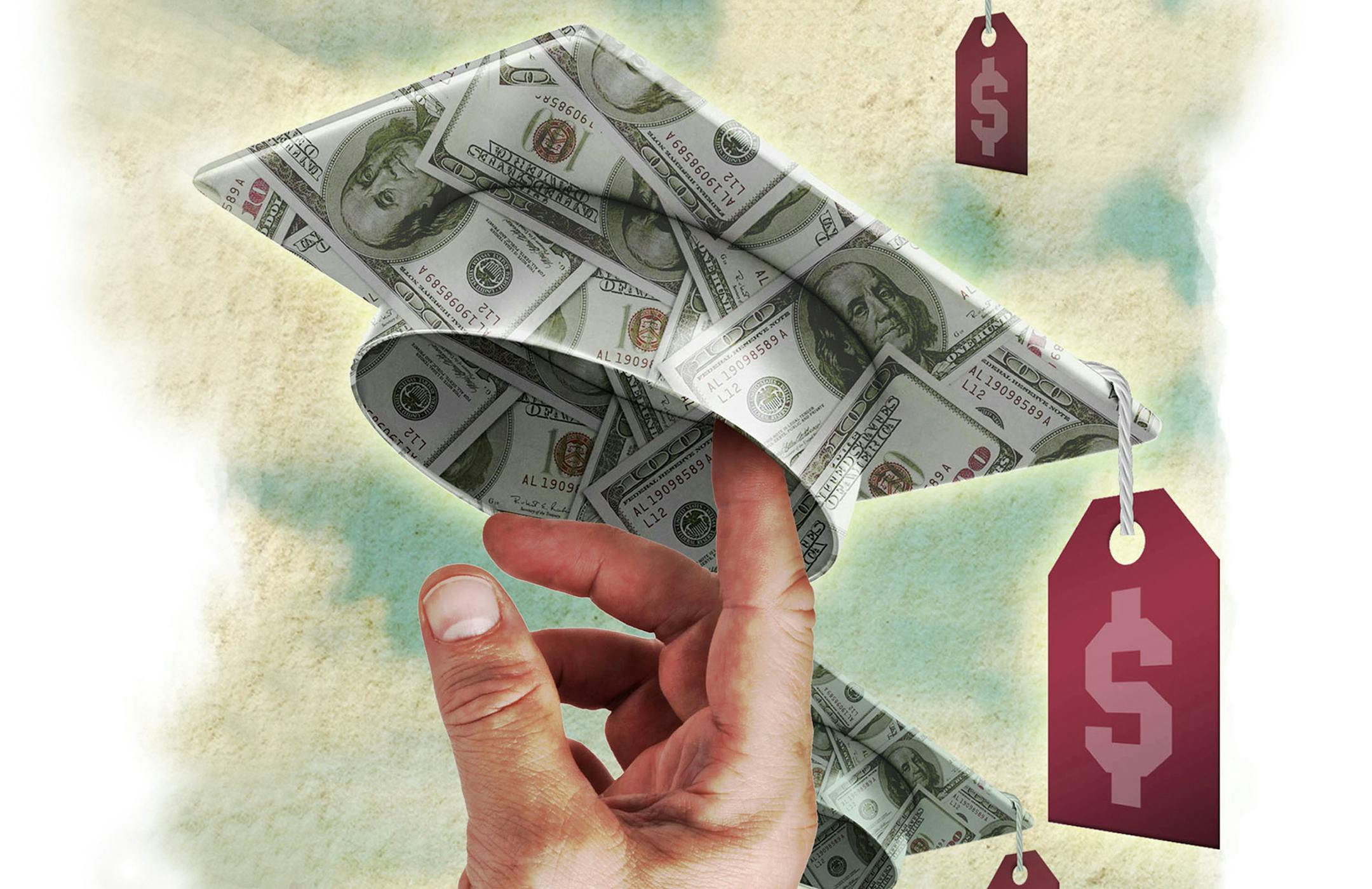
Higher ed was among the state budget lines that took a disproportionate hit in the wake of the Great Recession. The result at the U (see accompanying graph) has been higher tuition for students, heavier debts for graduates and, inevitably, sticker shock that keeps some would-be students away — even as per-student costs in constant dollars decreased.
The next big dip that's coming to Minnesota appears to be demographic. The number of people between ages 25 and 64 in Minnesota is forecast to decline over the next two decades. That would mean a labor shortage and a drag on the state's economy unless more Minnesotans avail themselves of post-high-school education of every type — two-year, four-year and beyond.
More funding by state taxpayers would "rebalance" higher-ed costs by lightening student loads, Kaler says. It's why the university's Board of Regents is seeking $65.2 million over two years in exchange for a promise to legislators: no tuition increase through 2016-17.


