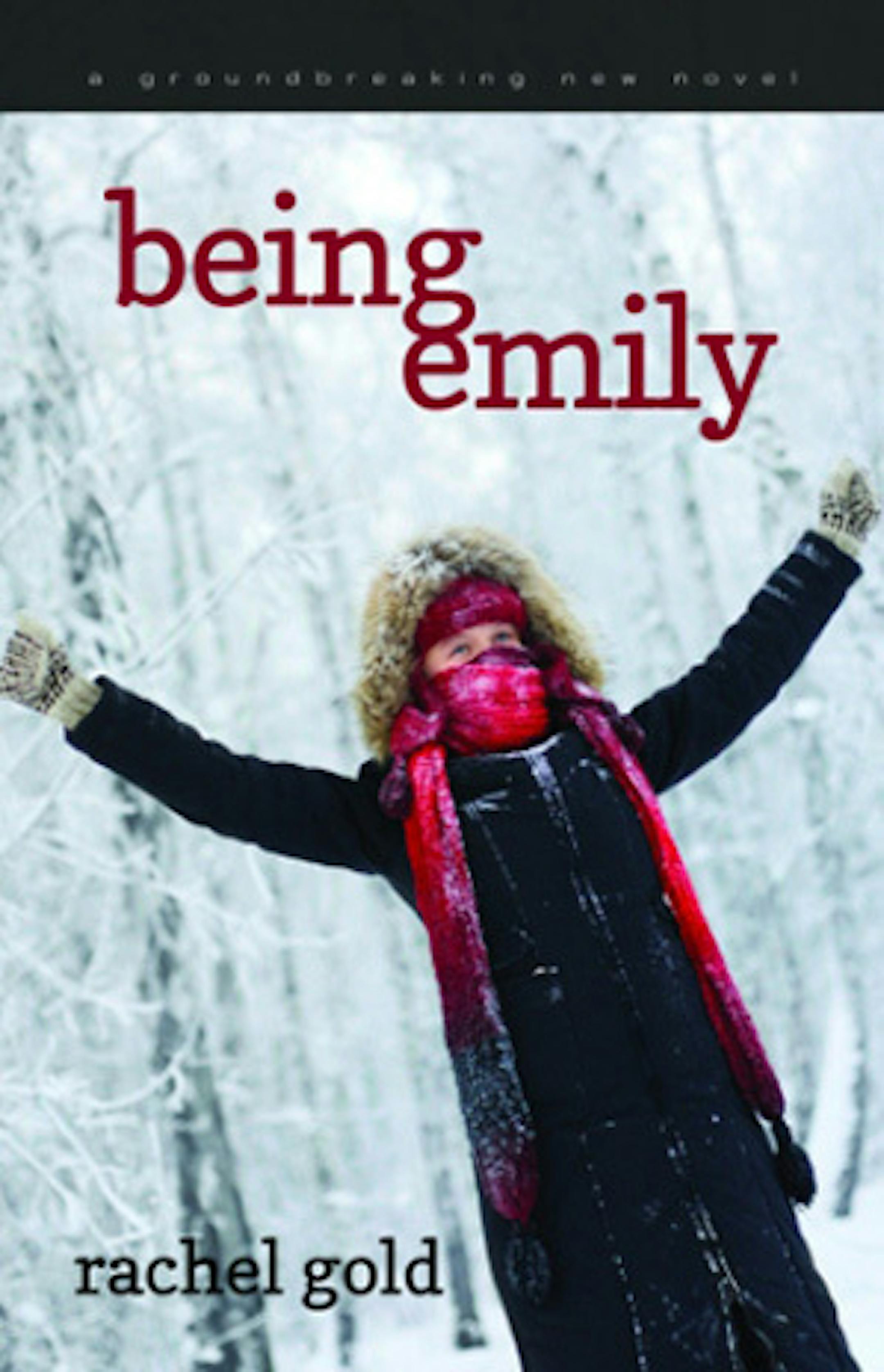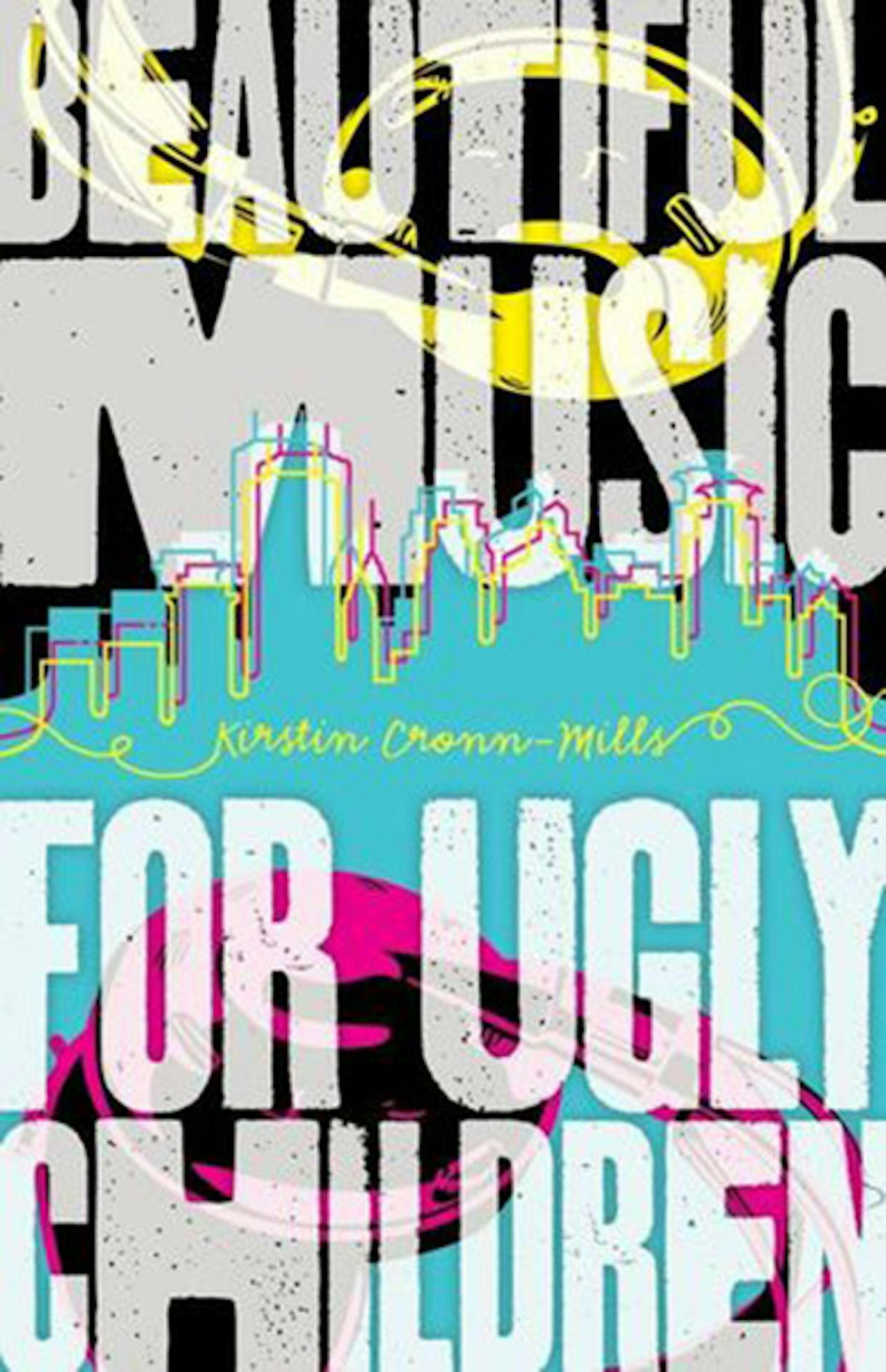
Two Minnesotans are among the tiny group of authors breaking the last taboo in young adult (YA) fiction — transgender protagonists.
Rachel Gold and Kirstin Cronn-Mills have each written a novel featuring transgender youths as central characters. Both books are up for a Lambda Award, the most prestigious prize in GLBT literature, to be announced at a ceremony in New York on Monday.
In Gold's "Being Emily" ($15.95, Bella Books), a rural Minnesota teen named Christopher struggles for acceptance as a girl because "her insides know that her outsides are all wrong." In "Beautiful Music for Ugly Children" ($9.99, Flux), Cronn-Mills paints a realistic portrait of a teen DJ at a radio station (modeled after 89.3 the Current) who calls himself Gabe, even though he was born Elizabeth.
"Sharing stories is the way we understand the world, and if you never see a story about you, about how you see yourself, that's not very life-affirming," said Cronn-Mills, a 2010 Minnesota Book Award finalist who teaches at South Central College in Mankato. She hadn't intended to make Gabe a transgender character at first, she said, but after reading a book of short autobiographical statements by trans men, "the ideas smashed together, and all of a sudden I had this kid."
Only a small percentage of YA literature focuses on GLBT issues as a central theme, and the subcategory of transgender is tinier still. Just six titles, including these two, were published in 2012, but the addition in March of the transgender-themed book "I Am J" on the California Board of Education's recommended reading list points to growing acceptance of the subject matter.
"As a culture, we're slowly moving toward a greater awareness of the transgender phenomenon," said Vanessa Sheridan, a Minneapolis-based business consultant on transgender issues in the workplace. "But young people tend to get lost in the shuffle because the focus has been on adults."
Sheridan said that trans books for a young audience are especially important because "kids tend to know they're transgender much earlier than they know they're gay or lesbian," Sheridan said. "Gender identity, our internal sense of who we are, becomes apparent earlier in life than our sexual attractions do."
Both authors did extensive research to ensure their characters would come across as authentic. Cronn-Mills sat in on sessions with a trans group at Reclaim, a small Minneapolis agency that provides mental health services to GLBT youths.