The formal dining room, long considered a symbol of wealth and privilege, has been the subject of much debate over the past 30 years. Some declared it dead, a relic of a bygone era when families sat down together each night for a home-cooked meal. Others clung to it as a place to welcome friends and family for holiday meals. All the while, American families turned toward eating in more informal spaces in the kitchen or - gasp - in front of the TV or on the go.
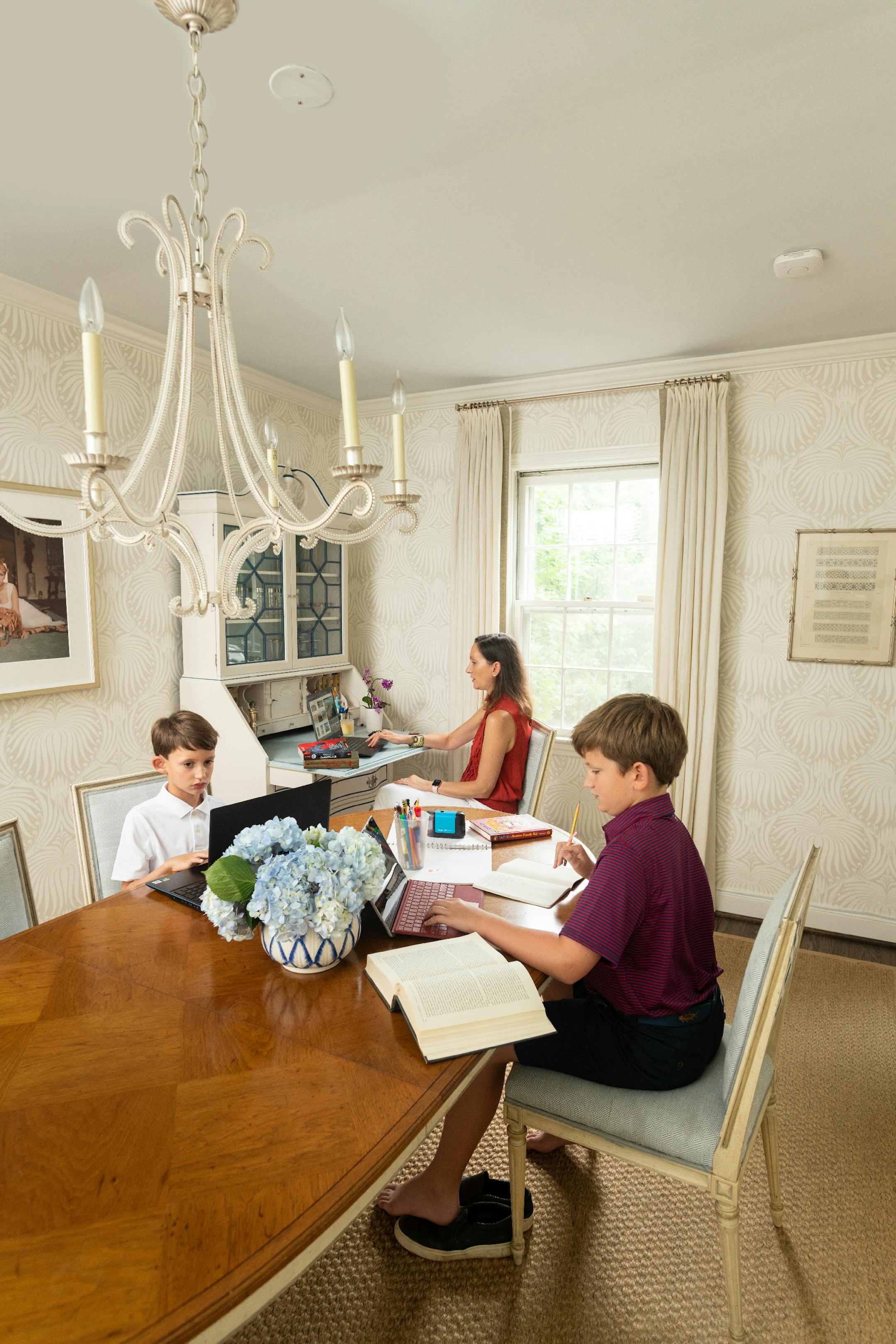
Then the pandemic hit and families who still had dining rooms began reclaiming that space for home offices or classrooms as people worked, learned and did most of their recreation from home. That put the formal dining room in the spotlight, and now people are pondering the new role it might play in our homes and lives.
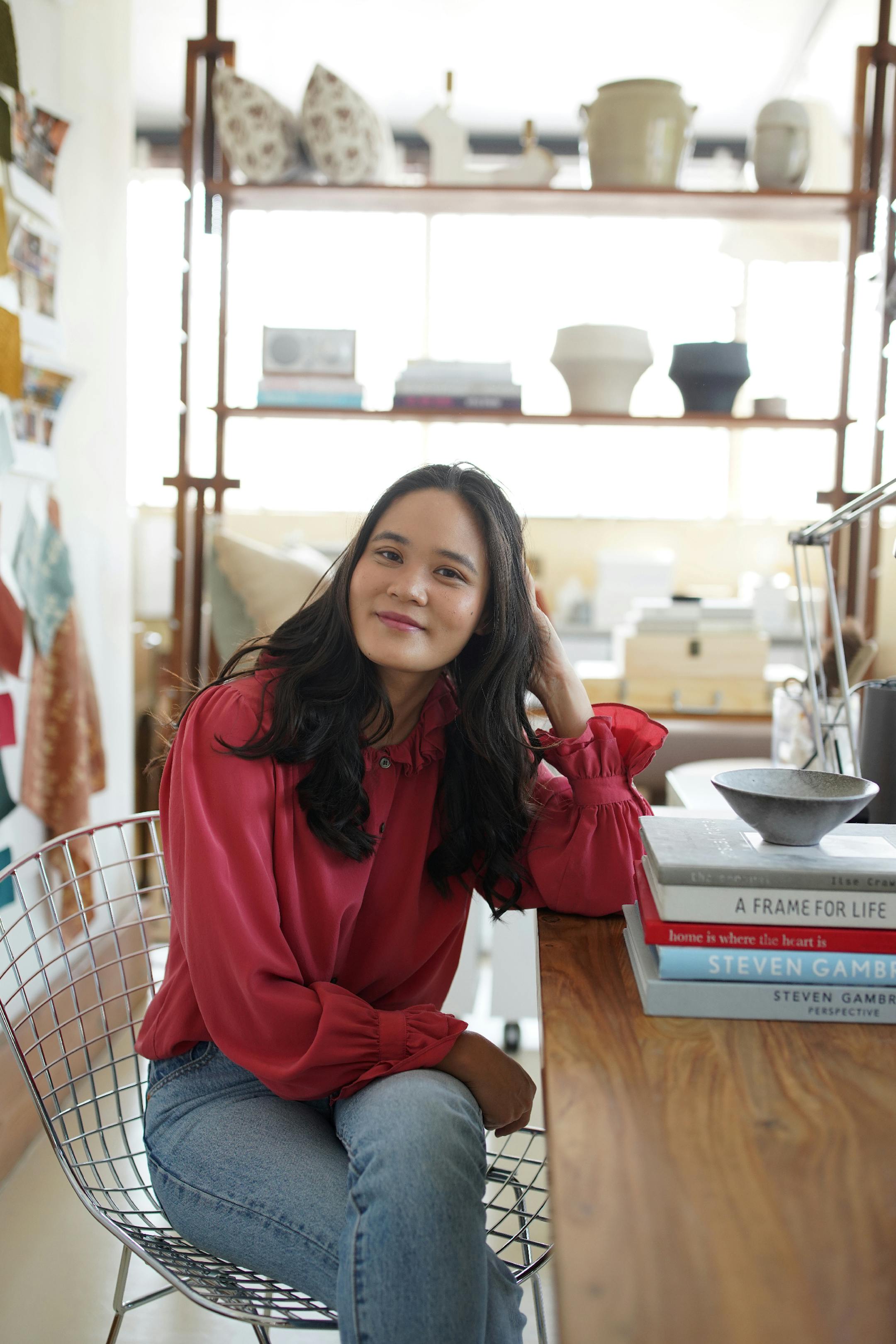
Will it revert to its intended purpose? Will it become the new family hub? The answer may be yes to both. "We need to think about how to make the formal dining room the little black dress of rooms," says Bethesda, Md., interior designer Marika Meyer, "a place we can dress up or down, as needed."
The coronavirus pandemic is a defining moment in the history of interior design, forcing us to reconsider how our homes function and whether the open-plan concept that has dominated the landscape for so many years is still viable. The dining room plays a big part in answering those questions.
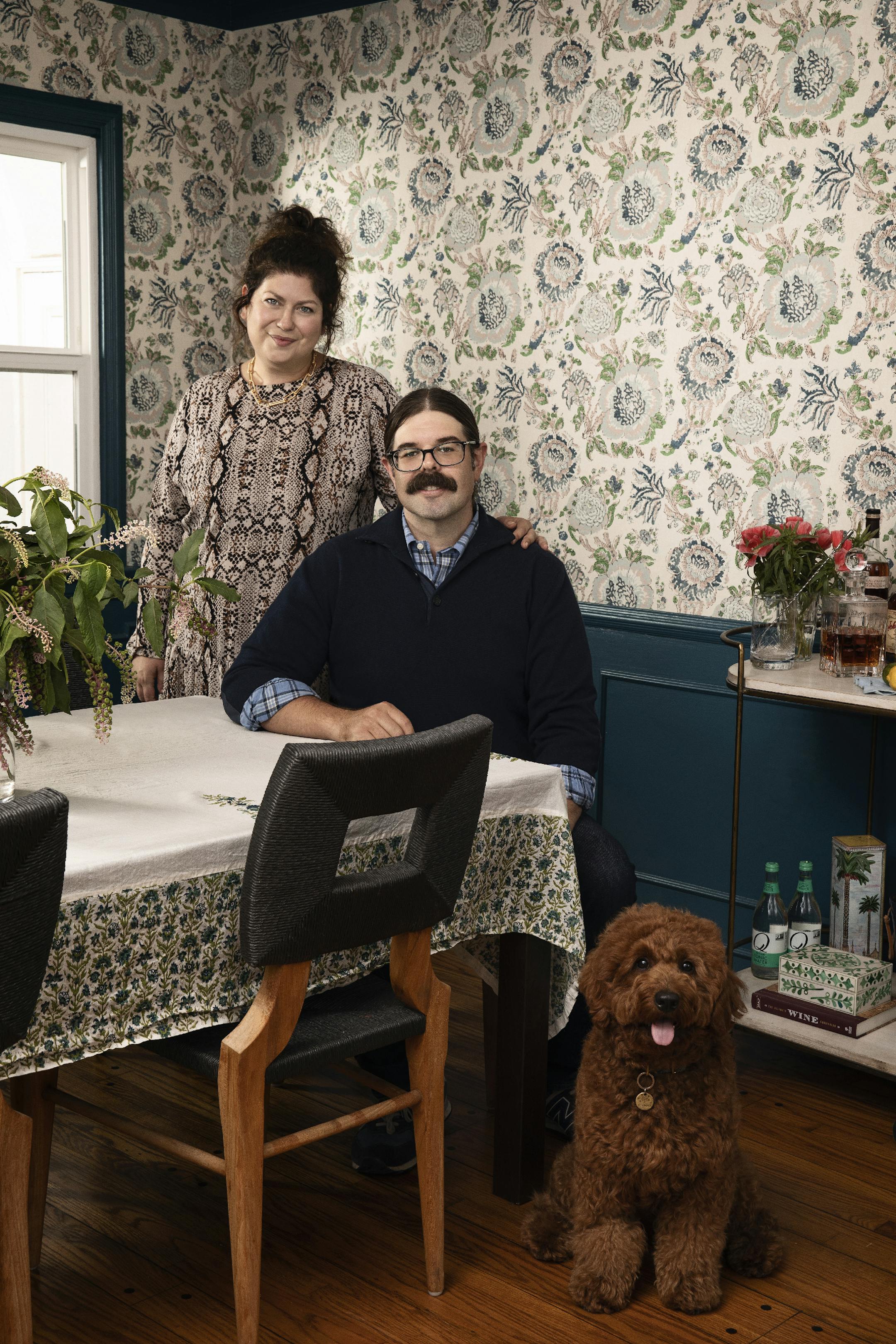
"The pandemic taught people the importance of not having all these open spaces," says Los Angeles designer Timothy Corrigan, who's been called back by clients to retrofit homes to include more separate spaces. As lockdown set in, folks scrambled for seclusion. Basements, breakfast nooks and backyards were enlisted in the quest for privacy, but the formal dining room, with its table an ideal work surface and its four walls offering a defined personal space, proved to be prime real estate, particularly if it had a door.
The dining room, which is rooted in the great halls of the Middle Ages, has always been an evolving concept, endlessly in flux and adapting to societal changes. Writing about 17th-century Paris in his 1986 book "Home: A Short History of an Idea," Witold Rybczynski noted that "people ate in different parts of the house - in the salle, in the antichambre, or in the chambre - depending on their mood, or on the number of guests."
In grand English homes of the early 18th century, chairs and drop-leaf tables were kept against the walls of reception rooms, or salons, to allow floor space for dancing or games, then brought forward into the room to be set for meals. It wasn't until the second half of the century that a room devoted solely to dining became fashionable in Europe and America, where it remained a showpiece throughout the 19th century.
In the early 20th century, though, the formal dining room's status wobbled as new kitchen technologies, such as gas and electricity, made meal prep easier. And post-World War II concepts, such as Southern California architect Cliff May's suburban ranch houses, ushered in the convenience of the eat-in kitchen. Then came the revitalization of urban centers and the conversion of industrial buildings into airy lofts.