

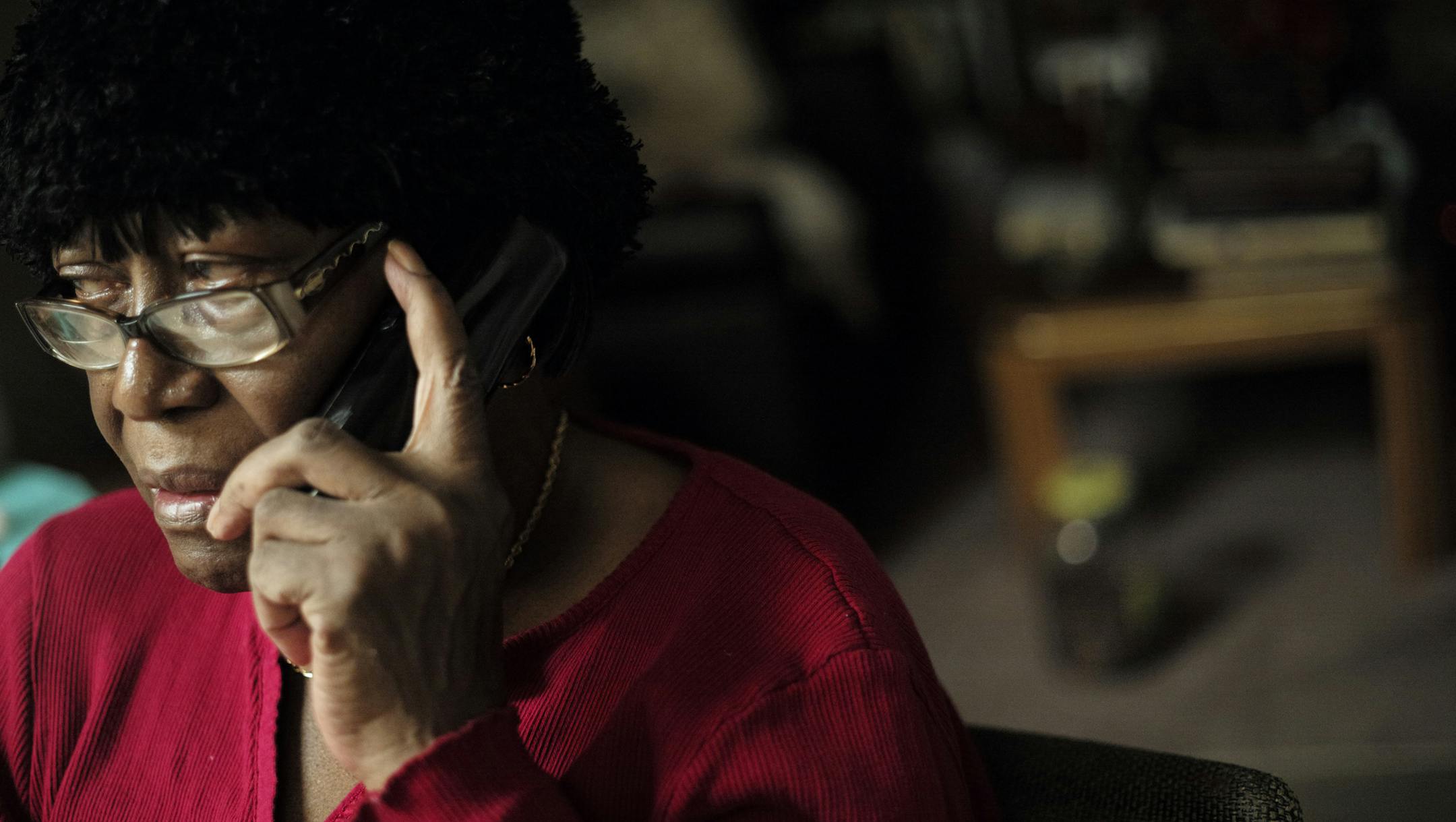
Starting in January, thousands of low-income elderly Minnesotans could lose government benefits intended to help them stay in their homes and out of nursing care.
In an effort to constrain runaway Medicaid spending, Minnesota is implementing stricter rules that will make it harder for senior citizens to qualify for home-based services, potentially leaving them with reduced care or no care at all.
An estimated 2,800 low-income senior citizens who currently receive Medicaid and other state assistance to help with basic living chores, such as bathing and cooking, would no longer qualify for help under the new rules.
State officials say the changes are necessary to preserve Medicaid, a program for the poor funded by the federal and state governments, before the baby boomer population overwhelms the system. Left unchecked, Medicaid costs threaten to cut into spending on other public services, such as schools and roads, state officials say.
The state Department of Human Services (DHS) says the changes will save taxpayers nearly $50 million in the next four years.
But many low-income senior citizens and their advocates fear that limiting access to home-based care could cost taxpayers more in the long run by pushing thousands of seniors out of their homes — potentially reversing the decades-long gains that Minnesota has made in reducing dependence on nursing-home care and helping people stay in their communities.
"It's troubling to us that we may be moving backwards," said Mary Jo George, associate state director of advocacy for AARP, which has 650,000 members in Minnesota. "The people who are losing these services are those who are already living in their homes and in their communities."
Paying for fewer services
Ever since Dorothy Robinson saw the inside of a nursing home, with patients crammed into antiseptic rooms with unmade beds, the retired machinist vowed that she would never let her friends and family die in an institution.


