

Will the Minnesotans who were unconvinced by former Vice President Al Gore's climate-change warnings believe the National Wildlife Federation?
We hope so. The nation's largest grass-roots conservation organization made an important contribution last week to public awareness and understanding of the threat that climate change poses to wildlife throughout the United States. Its new report deserves particular attention in Minnesota, where hunting and fishing are not only beloved pastimes but a $3.6 billion component of the state's yearly economy.
The federation's report, "Wildlife in a Warming World," says that if current trends are not altered, Minnesota and the rest of the nation's midsection are in for rapid changes in wildlife population. It says that by midcentury:
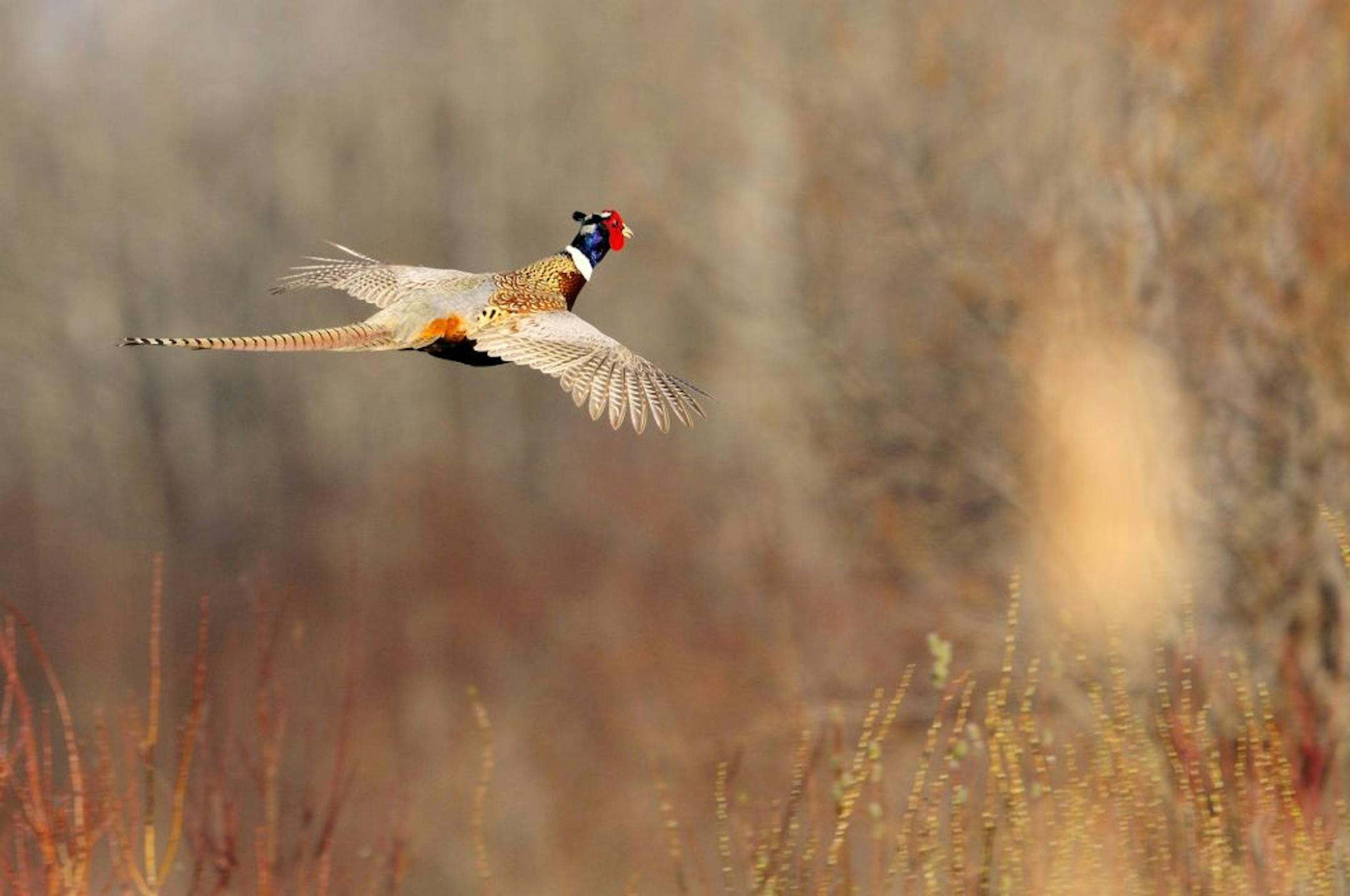
• Mallards and other migratory waterfowl will diminish in number in western Minnesota as potholes disappear and wetlands dry up, increasing mortality among chicks. Pheasants also will become scarce because of loss of food sources and access to vegetative cover. Iconic state birds in both Minnesota and South Dakota are at risk.
• The moose population, already precariously low at an estimated 4,230 by the Department of Natural Resources (DNR) last year, will dwindle to extinction levels in northwestern Minnesota. Moose respond poorly to warm summer weather, becoming lethargic, weakened by poor nutrition and vulnerable to parasites such as ticks.
• Episodes of large-scale freshwater fish kills will become more frequent, as heat and consequent algae blooms in lakes and rivers reduce the oxygen levels that fish require. Last summer's Des Moines River kill is a foretaste: An estimated 58,000 fish, including 37,000 sturgeon with a market value of nearly $10 million, died along one 42-mile stretch.
• Walleyes, northern pike and brook trout could disappear from the state's waters.
In fact, those fish may be at risk sooner than the federation report suggests. David Zentner of Duluth, past national president of the Izaak Walton League of America, said northeastern Minnesota streams are already "at a tipping point" for trout survival. Last week, worries about the rapidly declining walleye population in Lake Mille Lacs prompted DNR and Ojibwe tribal officials to cut this year's walleye angling limits in half.


