

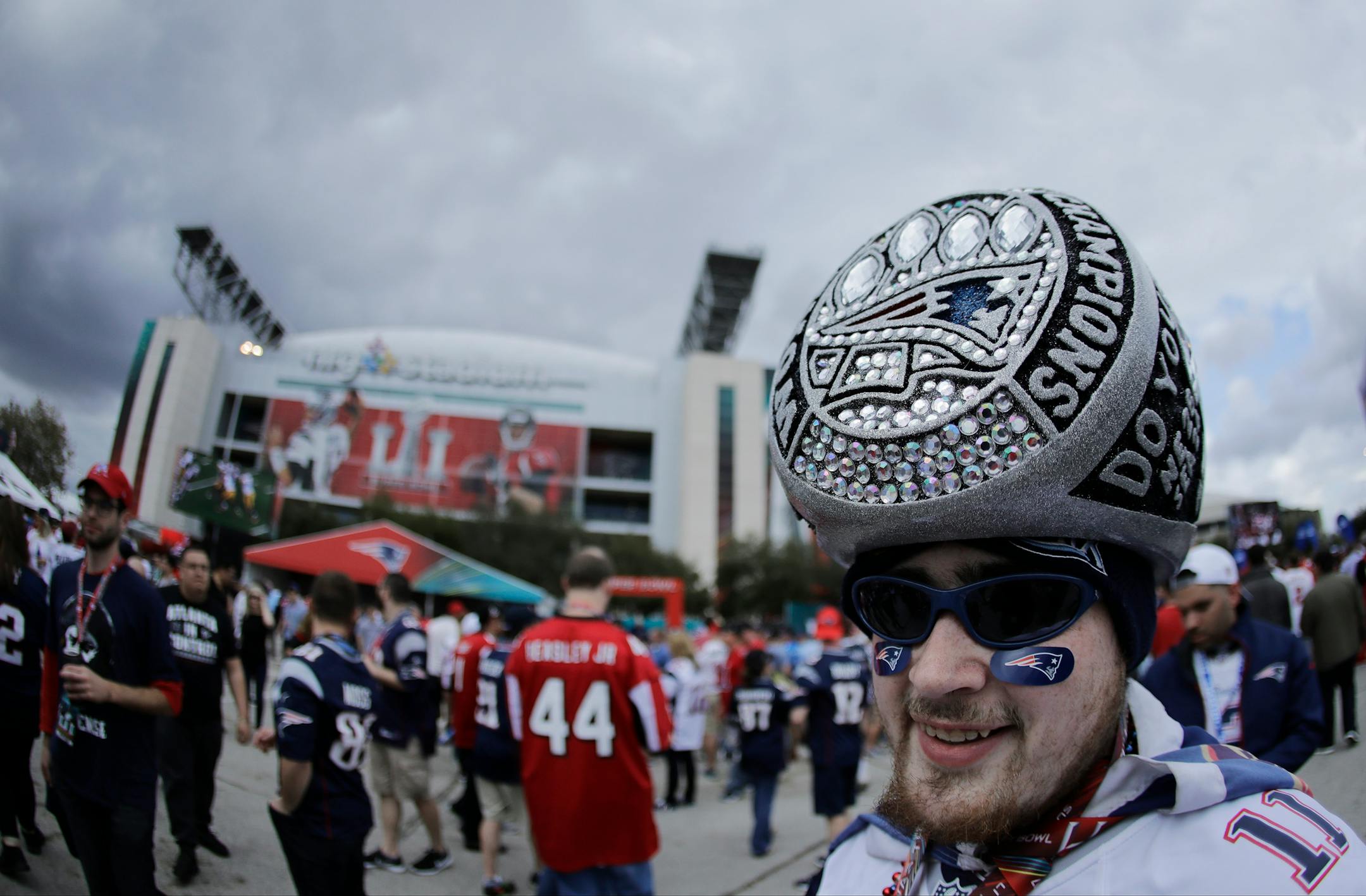
HOUSTON – Houston's Super Bowl committee executed a symbolic handoff to Minneapolis on Monday morning, leaving our better-than-fair city with the same challenge that faced its predecessor and the Atlanta Falcons.
Minneapolis has to prove that the Super Bowl isn't too big for it to handle.
The game and the spectacle surrounding the game have grown like an internet start-up since Minneapolis last was host to the big game. Google no longer fits into a garage and Super Bowl week can overwhelm almost any locale.
Houston is America's fourth-largest city. It is a massive urban sprawl, and yet downtown Houston often felt too small to handle the week's many events. According to the Houston committee, 1.3 million people visited their fenced-off NFL Live site and 130,000 tourists visited the city.
Minneapolis is much smaller than Houston, and our city's footprint will be further reduced by the threat of frostbite. Short of building skyways from Rochester to Duluth, little can be done about weeklong overpopulation and gridlock.
Amid all of the obligatory compliments to Houston for its handling of the event, there is this fact: Every neutral observer I spoke with wished the game had been played in New Orleans, with its plethora of restaurants, bars and event centers, in a walkable city that knows how to throw a party without making anyone get into a car.
Super Bowl week will be a challenge for Minnesota, but if recent history is prologue gameday will provide a payoff.
When Minneapolis was host of the game in January 1992, the NFL occupied the city more than overwhelmed it. Then Washington blew out Buffalo in a snoozer of a game featuring one of the worst halftime performances in Super Bowl history, a lame attempt to make cold weather quaint.


