In 1868, designer Charles Eastlake published "Hints on Household Taste," a popular guide to outfitting the home in good taste, from the street front to the china cupboard and all the rooms in between.
In his introduction, rather than taking a supportive tone, he chastises the reader. "When did people first adopt the monstrous notion that the 'last pattern out' must be the best? Is good taste so rapidly progressive that every mug which leaves the potter's hands surpasses in shape the last which he moulded?"
"He blames it on the housewife," said Jennifer Kaufmann-Buhler, the author of "Open Plan: A Design History of the American Office" and an associate professor at Purdue University. The message is, "Women have terrible taste, and we need to correct them," Kaufmann-Buhler said, adding that she does a "very lively reading" of the passage for her students, "annotating it in real-time in an over-the-top British accent."
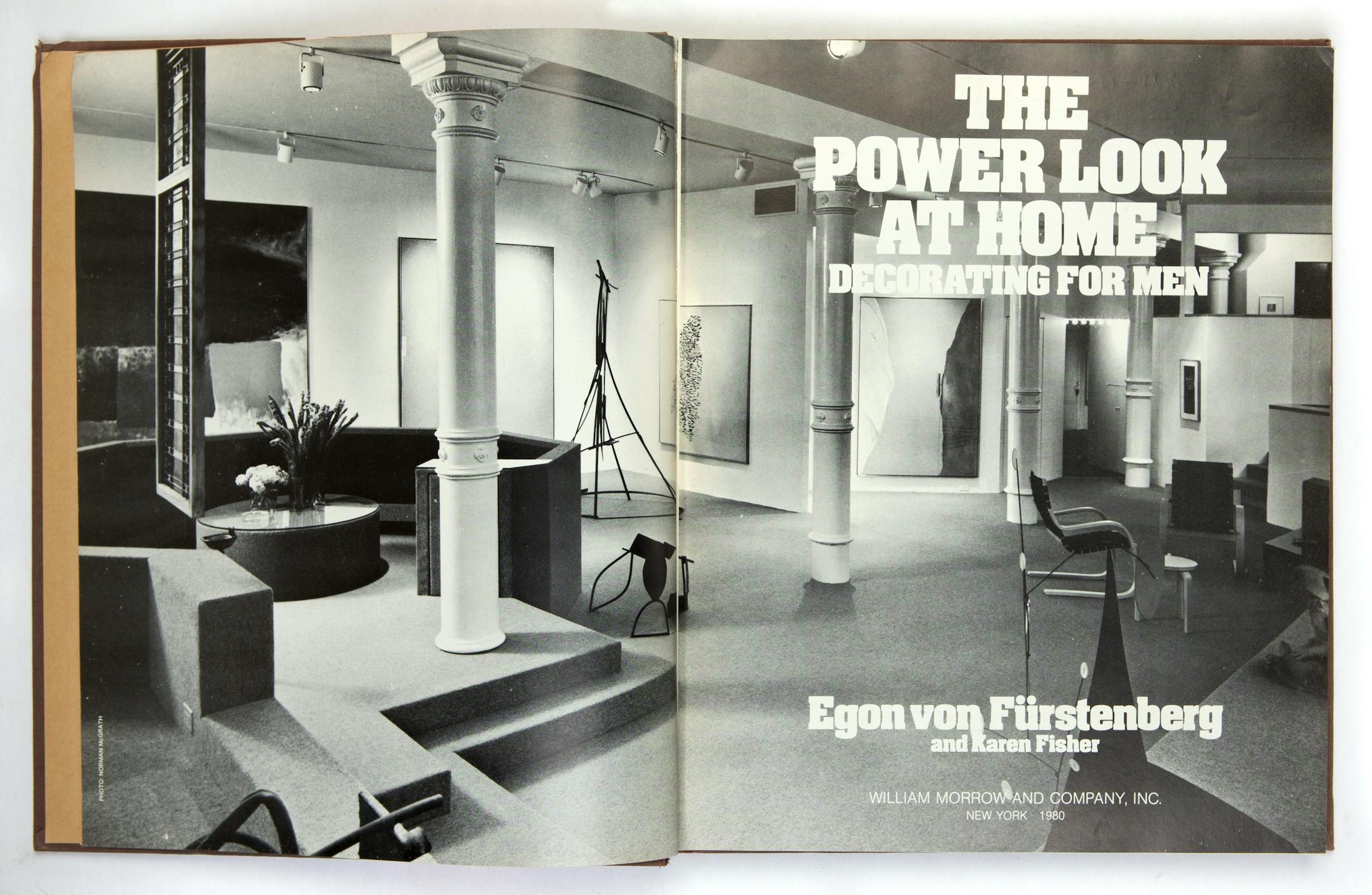
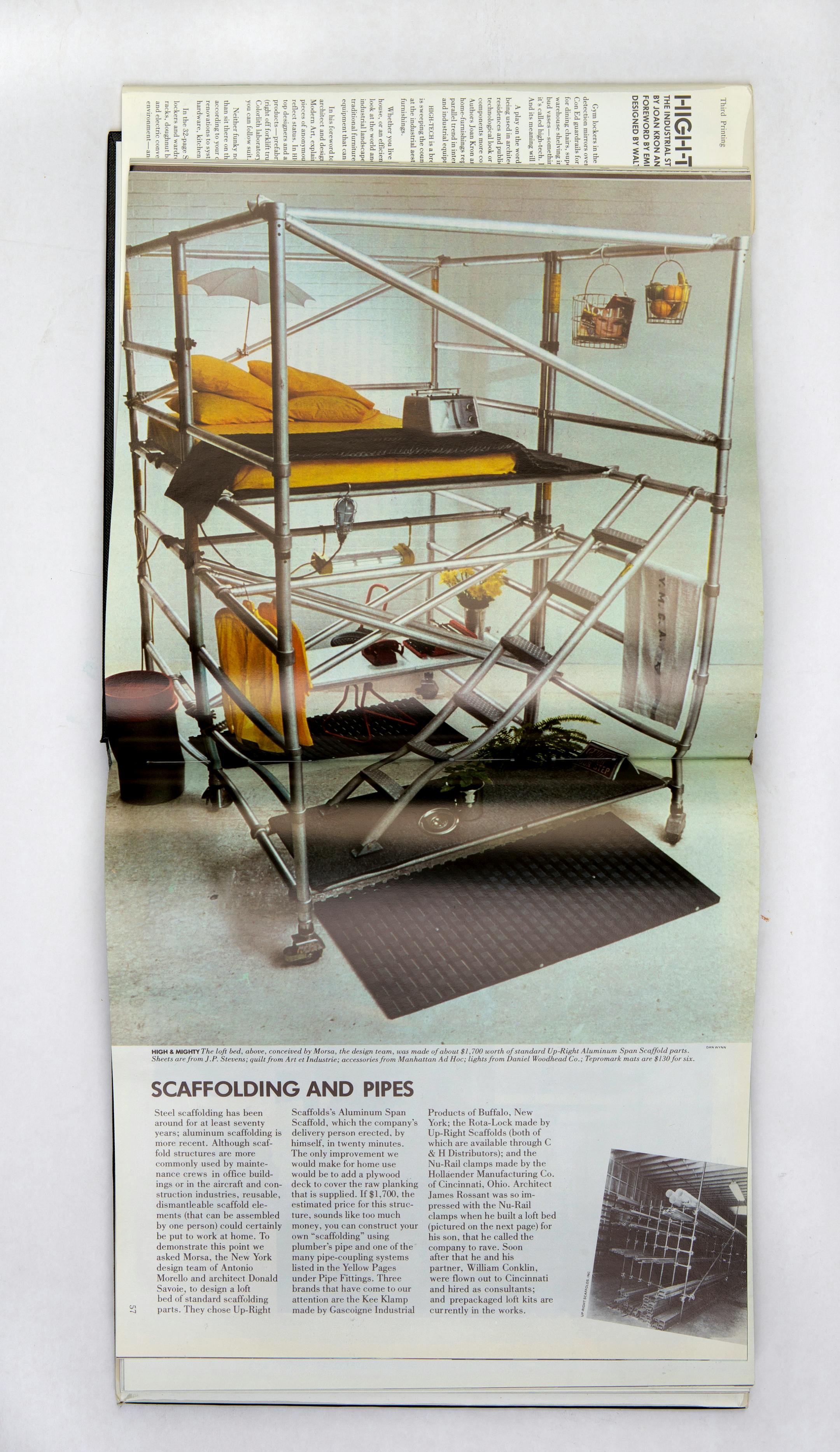
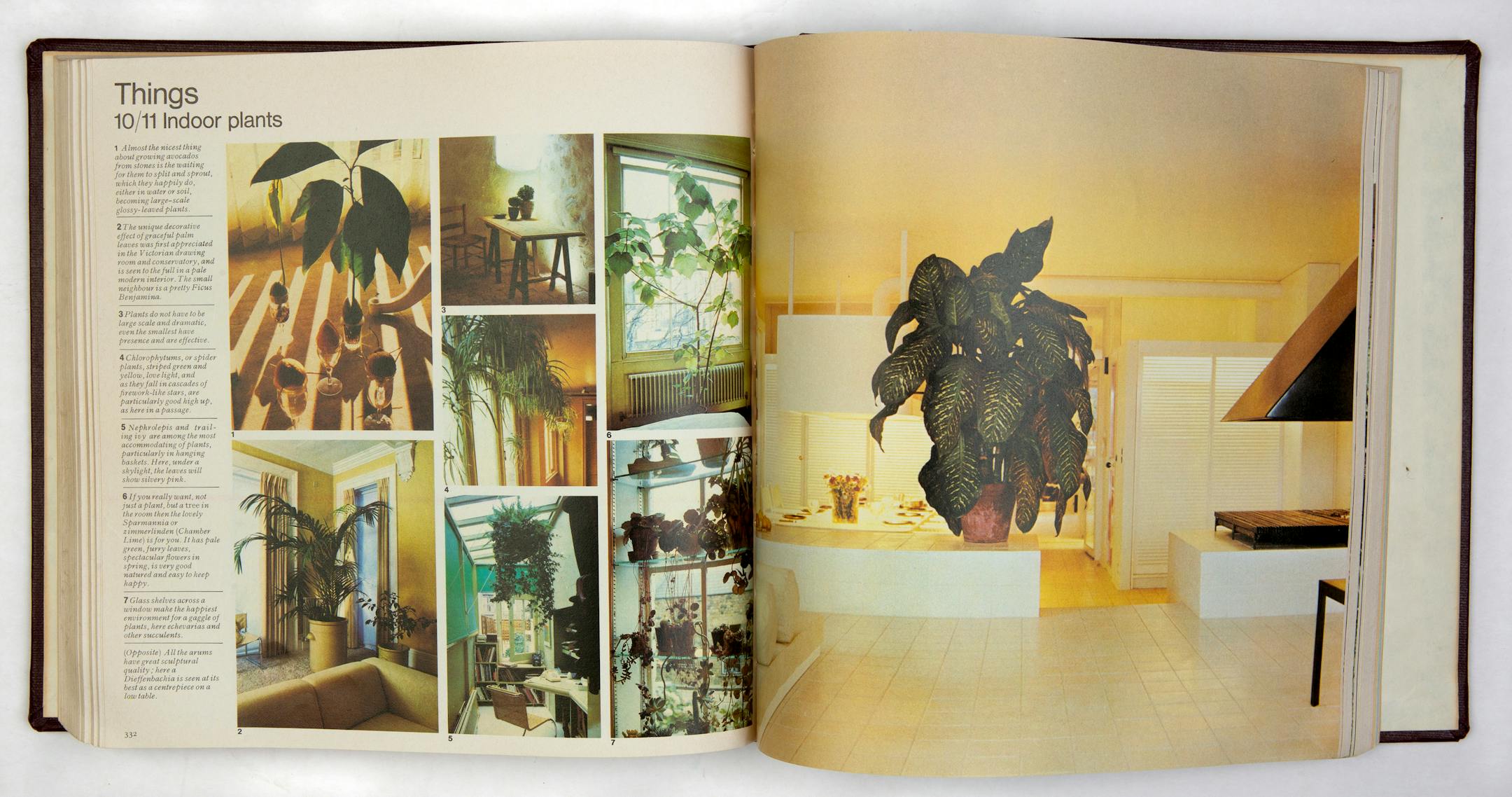
Despite Eastlake's seeming disdain for the clutter-mad housewives of the Victorian era, his "Hints" did provide a template for 150 years of house books. Every season brings out more manuals of household taste, from glossy-page inspirational books suitable for coffee-table display to chart-heavy how-to guides, with diagrams of immaculate closets and formulas for DIY cleaning products.
But which, according to design experts, have stood the test of time? Eastlake may have had a bad attitude, but his simplified furniture, with its incised details, still looks sharp to the contemporary eye. And his basic question — is the latest always the greatest? — could as easily apply to books about domestic design as it does to the way we furnish those spaces.

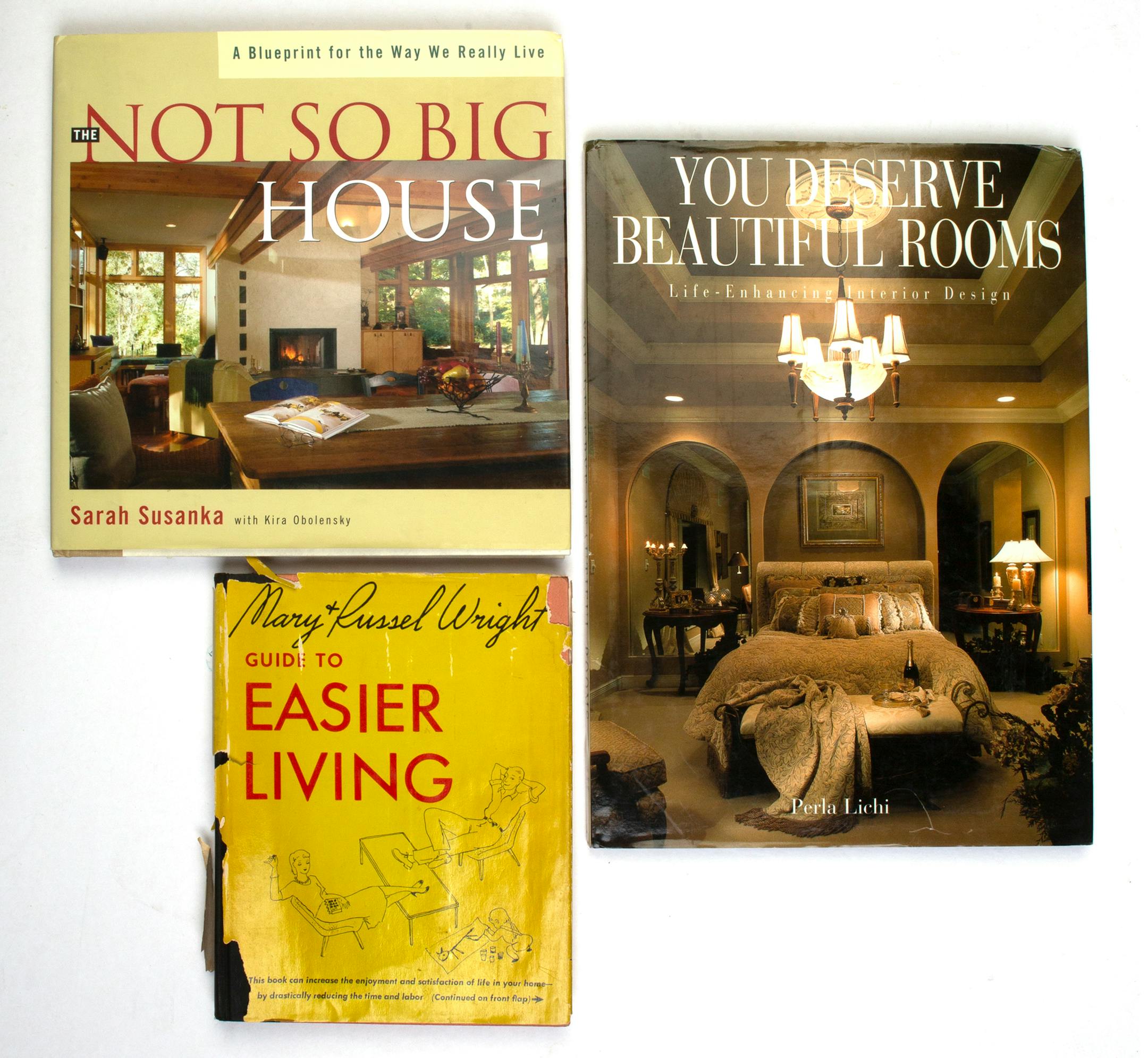
Among the classics, Kaufmann-Buhler singled out Mary and Russel Wright's "Guide to Easier Living" (1950) as "a landmark book."
"It is trying to invite the American family to rethink what home is supposed to be, to let go of the Emily Post idea of the house and find something more relaxed, more comfortable and more suitable," she said.
Russel Wright was a famous postwar industrial designer, and many of his products speak to that relaxing of norms; his American Modern dinnerware line is chunky and colorful, with lots of swoopy serving pieces that can move from kitchen to table. Wright's home, Dragon Rock (1958), in Garrison, N.Y., was designed to blend indoors and outdoors, and natural materials and new plastics. It had an open kitchen and a Saarinen tulip table perched on a flagstone floor. The book's illustrations reflect this new style, while also offering space-planning advice and closet diagrams worthy of the Home Edit.