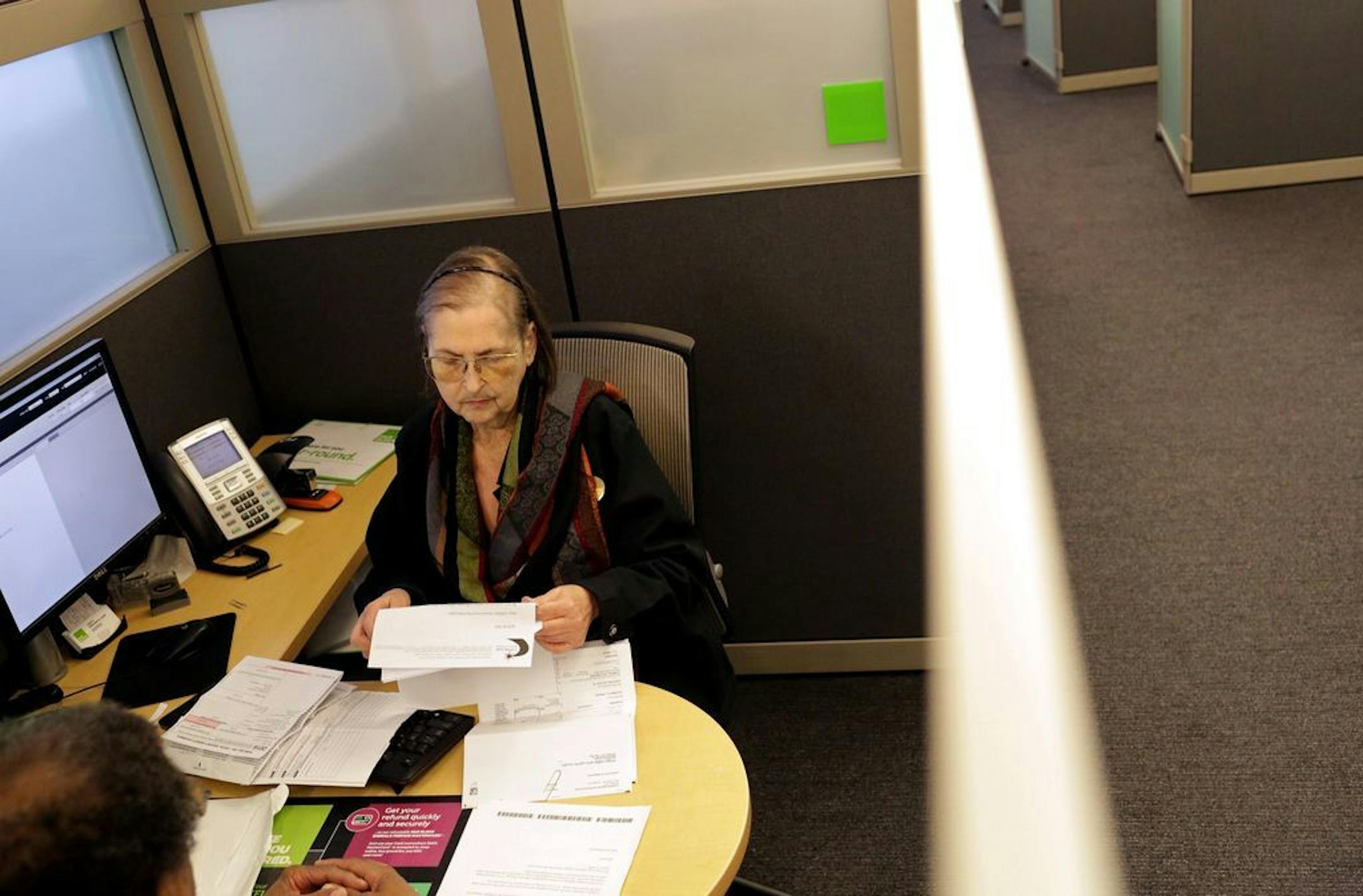
The tax preparers at H&R Block had a new class before their busy season started this year: empathy training.
They listened to a mock exchange between an employee and a customer whose refund would not just shrink but disappear. The fictitious client had received a $1,500 refund last year but this year would owe $575.
The playacting was prescient. The tax overhaul that took effect last year promised relief, but now that returns are being filed, some people are baffled. They're getting smaller refunds — or sometimes having to write a check — even though nothing in their situation seems to have changed.
The average refund among early filers was down 8.4 percent, according to the IRS. The smaller checks, in some cases, stem from the loss of certain deductions. For others, it's because less money was being withheld from their paychecks. The IRS, in trying to more closely match the amount held out of paychecks with the amount that taxpayers will owe, changed its withholding tables.
The result is that taxpayers may be paying less overall but still getting a bill after filing their return. That has caught many people off guard.
Ashley Alt, who works in information technology in Illinois, said she was floored when her tax program spit out her $4,800 bill. "I was expecting to get less of a refund or maybe owe a little bit," she said. "I did not expect to owe two months of take-home pay."
The overhaul has been President Donald Trump's signature accomplishment. It lowered tax rates for businesses and individuals, and provided a break to self-employed people and those with pass-through businesses.
But it also eliminated or cut back some popular deductions, most notably capping the deduction for state and local taxes at $10,000 — a provision that drew significant criticism from residents of high-tax states. Although most people will see their tax burden decline, the Government Accountability Office expected about 4 million people to pay more.