

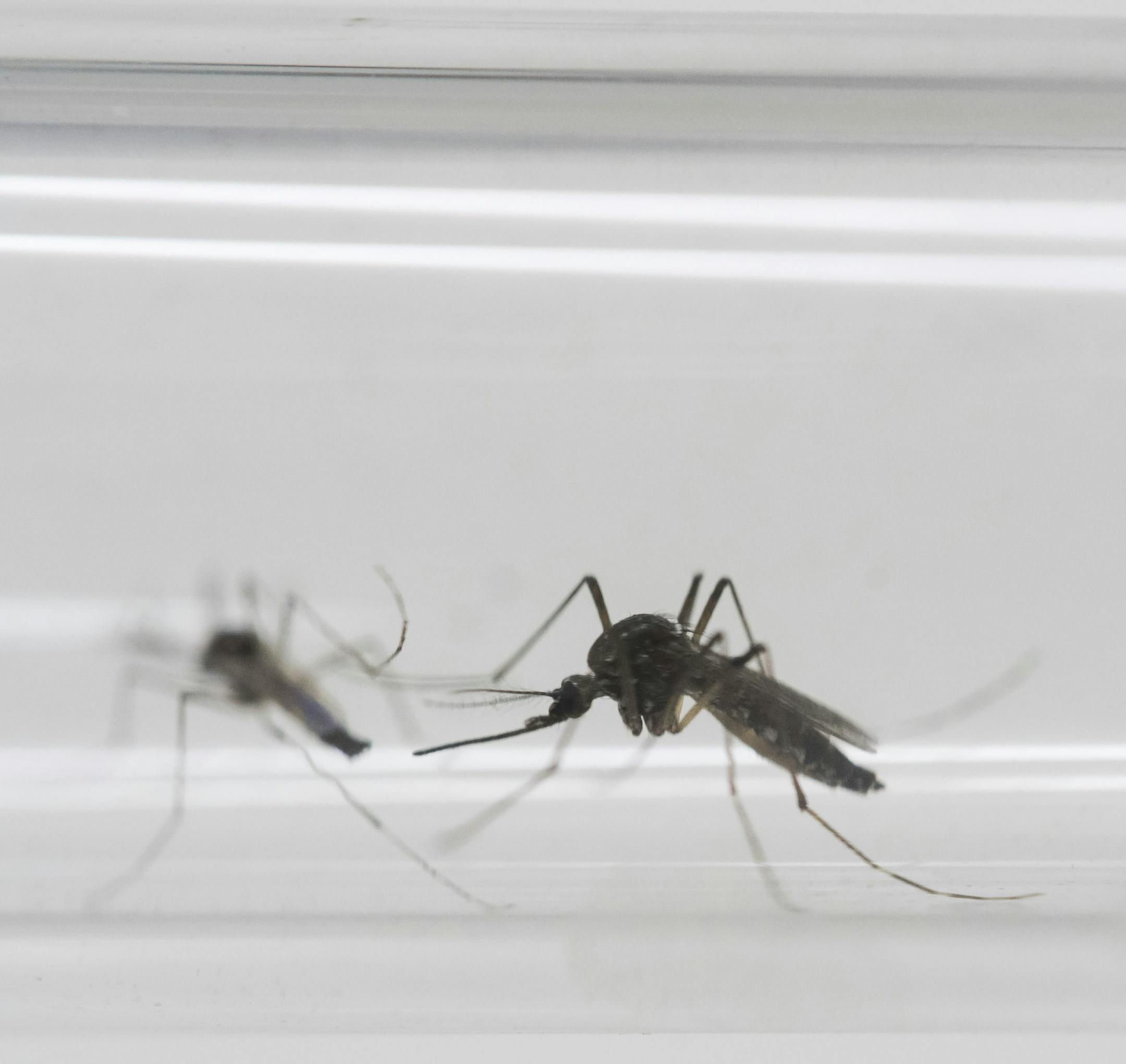
The gold medal for scaring away spectators goes to Aedes aegypti, a little bitty mosquito.
As the Olympic Games approach — scheduled for Aug. 5-21 — even athletes are shunning Rio de Janeiro. Brazil has been the epicenter of the Zika virus outbreak, and mosquitoes spread the disease linked to birth defects. First U.S. cyclist Tejay van Garderen bowed out of consideration for the games; his wife is pregnant and the virus can be transmitted sexually. LeBron James claims he's tired. As for golfers, who spend hours outside, sometimes next to ponds: Seven have said no thanks.
What's a fan and ticket-holder to do? Take standard precautions — the kind you would take anyway, given that dengue and chikungunya are also flitting about with the Brazilian mosquito population.
Spray yourself with insect repellent; the Centers for Disease Control recommends using those that contain DEET, picaridin or oil of lemon eucalyptus. Opt for long-sleeved shirts, long pants, boots, socks, hats — basically, anything you can to reduce exposed skin. Wear clothing that has been treated with permethrin to keep the bugs away. Also, stay in places that have air conditioning or screens on windows and doors.
Now for Zika-only advice: Pregnant women or those who want to get pregnant should stay at home. The possibility of having a baby with microcephaly is slim, but grim. Their husbands might also want to hang back, like that American cyclist, since the disease can be transmitted sexually.
Finally, many carriers don't feel sick so they do not know they are carrying the virus. For that reason, the CDC says that travelers returning from Zika-affected areas should take steps to prevent mosquito bites for three weeks so that they do not spread Zika at home.
Unfortunately for all travelers, Rio and beyond, the areas with Zika have grown to include Puerto Rico, Costa Rica, Argentina and Mexico.
Send your questions or tips to Travel Editor Kerri Westenberg at travel@startribune.com, and follow her on Twitter: @kerriwestenberg.


