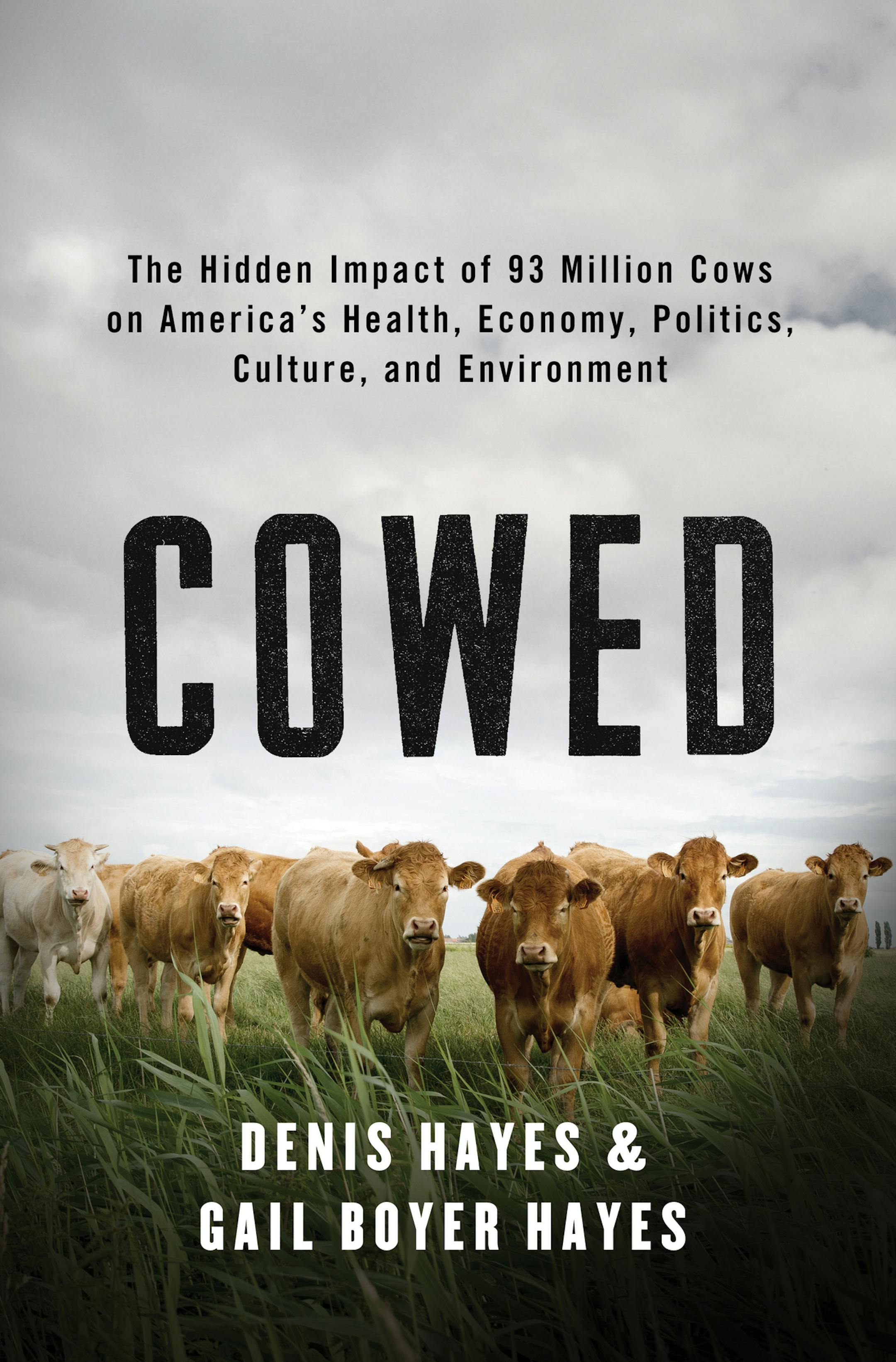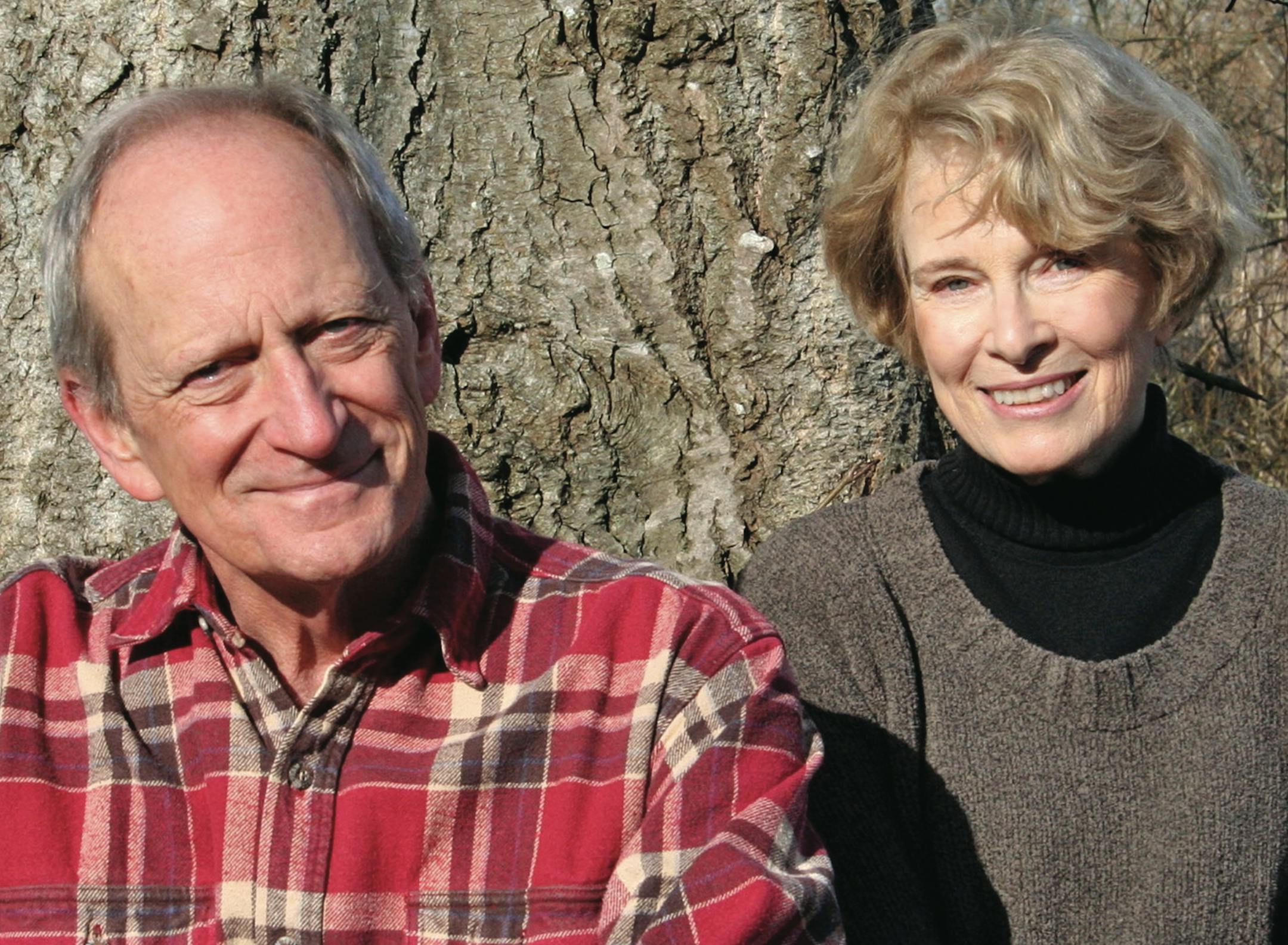
America's love affair with the burger and the shake has a cost. In this well-researched and far-ranging study, Denis and Gail Boyer Hayes describe in disturbing detail the practices of factory farming and the damage it does to the Earth, to the cows and to the consumers. It's an important book, though not always easy to read. "Our cows are a reflection of who we are as a people," the authors tell us in their conclusion, and this doesn't speak well of us.
The U.S. herd numbers 93 million, and Denis and Gail (as they refer to each other) explain why beef is destined to become a luxury item. Factory farming has helped to create a drier climate with less fertile soil. Cows themselves contribute to climate change — U.S. livestock, the authors state, account for almost 15 percent of greenhouse gases. As the pasture dries out, the U.S. cow population will continue to increase to keep up with the needs of growing human consumption. The costs of a juicy steak will continue to pile up: The authors write clearly and authoritatively about disappearing aquifers, degraded soil, farm subsidies, chemical fertilizers and other factors that will affect our diet.
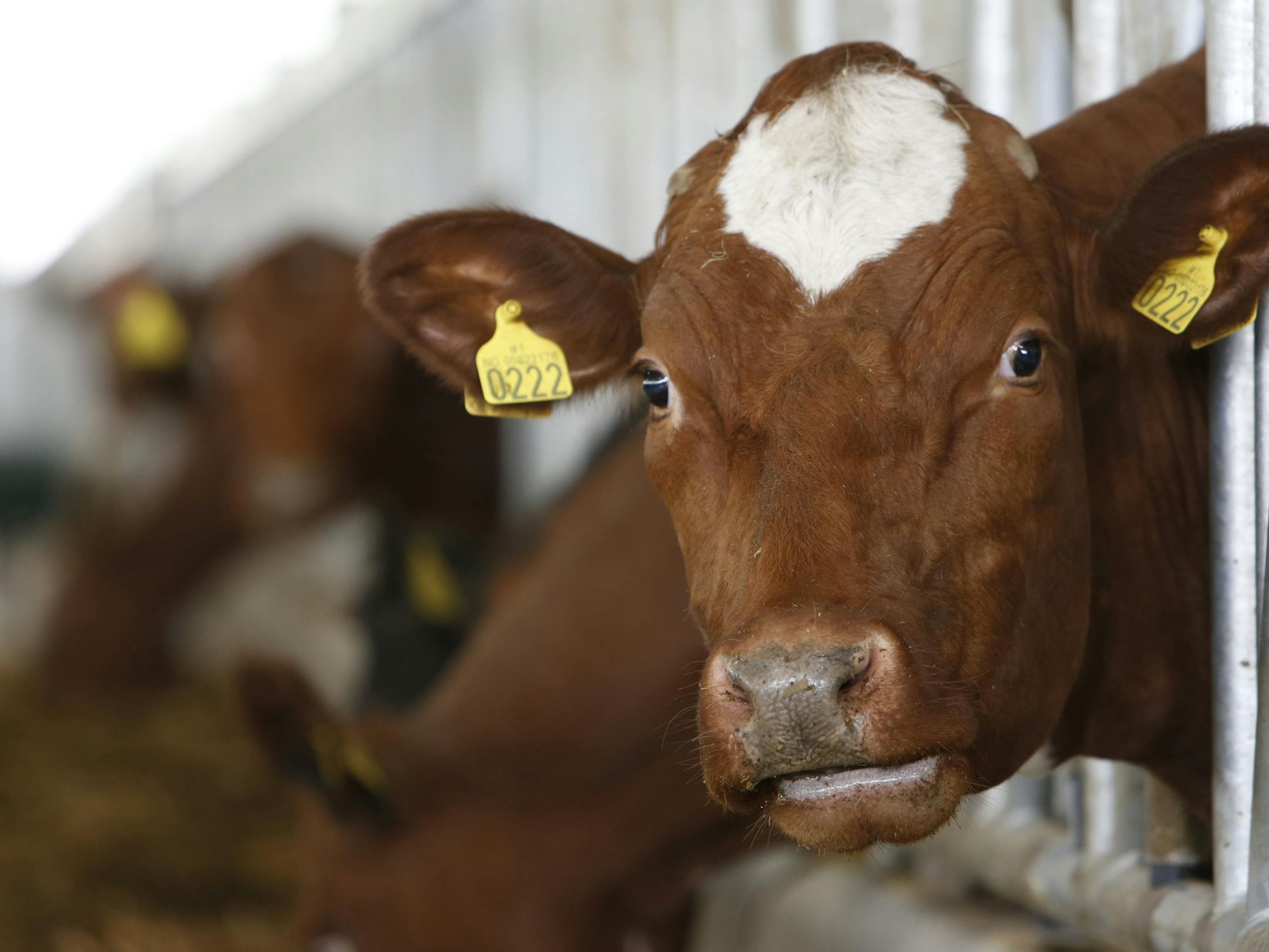
Both authors profess a "genuine affection" for cows. How amazing it is that a creature can consume grass and produce milk, full of fat, calcium and amino acids — sometimes 100 pounds a day! How horrible, then, that they are confined to filthy feedlots located near huge manure "lagoons" and fed grains that irritate their digestive tracts! There is much in "Cowed" to upset a carnivorous reader.
The authors offer a very full discussion of what cows consume. Factory farmers, for instance, frequently mix antibiotics in with feed to promote weight gain. Waste laden with antibiotics goes into soil and groundwater, and antibiotic-infused meat/milk goes into you. Such indiscriminate use of antibiotics, as we know, promotes the emergence of superbugs, antibiotic-resistant microbes. The authors explain how efforts to regulate such practices are vigorously opposed by lobbying groups.
Denis and Gail Boyer Hayes offer us a simple directive: Eat less beef, but eat better beef, produced in sustainable conditions. We must, in short, cull the herd. This gloomy but convincing critique of the industry that puts meat on the table is leavened a bit by accounts of farmers using alternative methods of improving soil — fallow fields, vermi-composters, no-till farming. The authors advocate for grass-fed beef, for the bison alternative, for reserving antibiotics for sick animals. They describe futuristic experiments: Milk brewed like beer? Manure-powered cities? Beef a la petri dish?
Although they doubt the practicality of what they see here, they call attention to ways in which cows and humans have domesticated one another and speak to the need for building a more humane and sustainable relationship.
Tom Zelman teaches English at the College of St. Scholastica in Duluth.