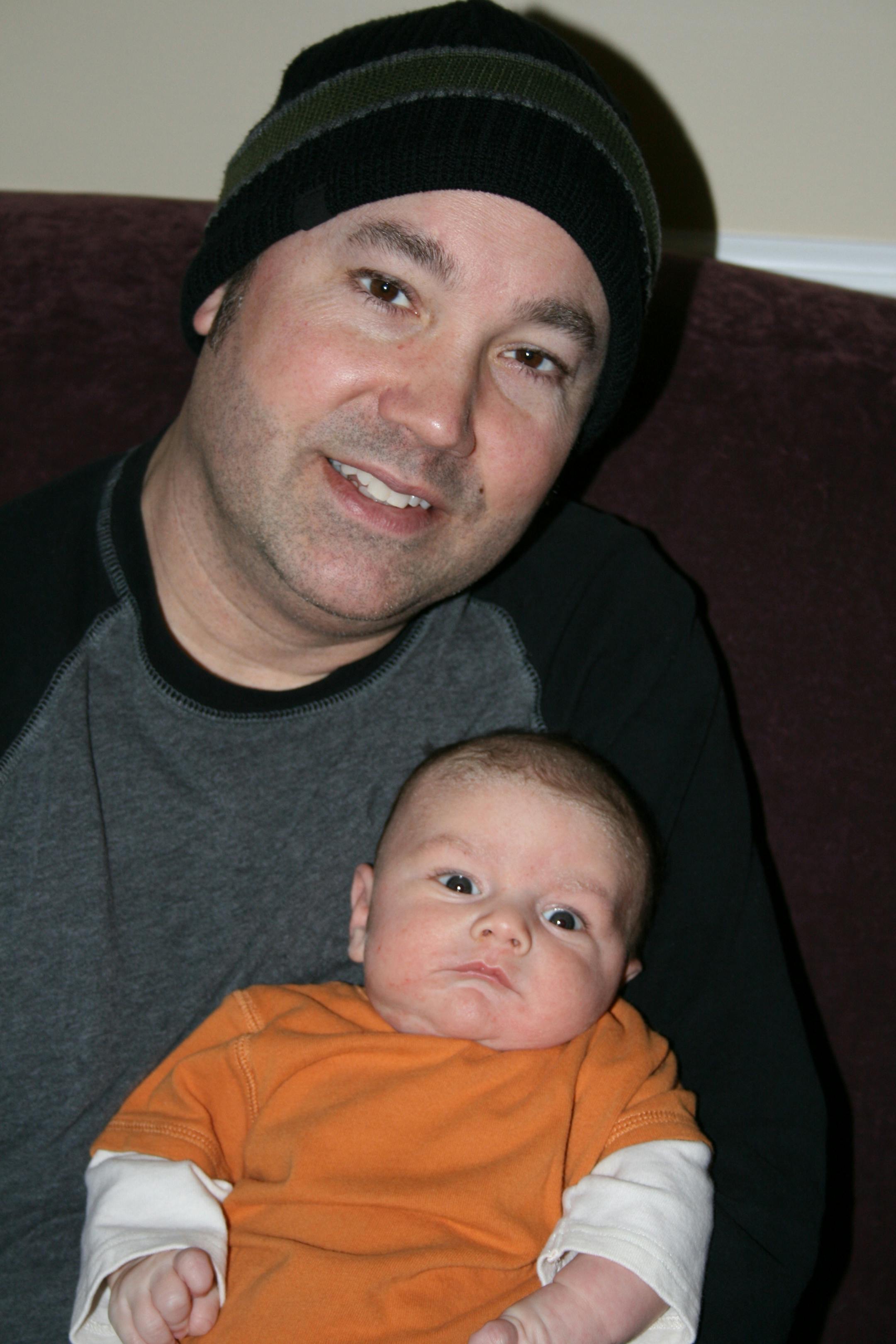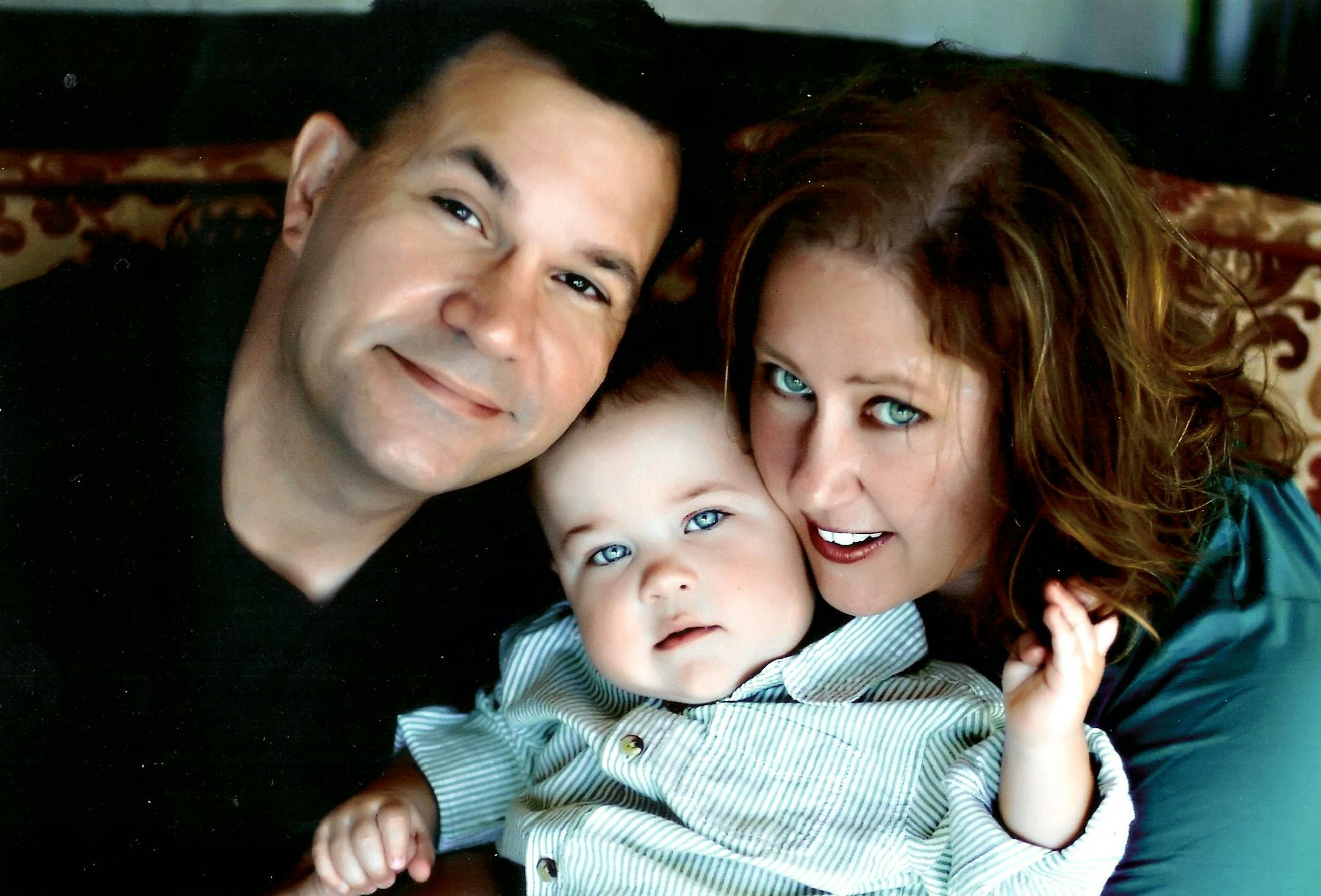
Realtor Christy Hill met her husband, Bill, six years ago when showing him houses in Hastings. The chemistry was immediate, but so was the arrival of the elephant in their living room. Bill, 39 at the time, was recently divorced with two young-adult sons. And he'd had a vasectomy. Christy, also divorced after a three-year marriage, was 31. Children were "definitely" in her plans. "We both thought the kid issue was a deal-breaker," Christy said.
But neither wanted to break up. "I'm a Christian, so I read a lot in my Bible and I prayed," Christy said. "I decided that a healthy relationship was the most important thing for me. Once I got that into my head, I relaxed and the relationship improved." It improved, in fact, in a miraculous, modern way: They got married and Bill had his vasectomy reversed.
Ethan Hill was born in September 2007. Christy is expecting baby No. 2 in June.
While still rare, vasectomy reversals are growing nationwide, largely the result of medical advances that allow them to be done as outpatient surgery. Depending on how long ago the vasectomy was done, success rates (measured in sperm counts at six- and 12-month intervals) can be as high as 95 percent.
The highest rates are attained within three years of the vasectomy (although one doctor interviewed had success with a man whose vasectomy was performed 24 years earlier). While not cheap, averaging $7,000 to $10,000, a reversal can be far less pricey and invasive than in-vitro fertilization.
Driving the trend, surgeons say, are remarried couples, mostly in their 30s and 40s like the Hills. Many have children from previous marriages but want to have a child or two together. Other times, long-married couples simply have a change of heart and wish to expand their families. Sometimes, the reason is tragic, such as a couple whose child has died.
"By far, the majority [of reversals] are due to remarriage," said Dr. Tony Makhlouf, a urologist and assistant professor of reproductive health at the University of Minnesota. "Very few are much older men, the rich old guy with a younger wife," said Makhlouf, who performs about 30 reversals annually. His success rate is as high as 90 percent at a cost of about $8,000. "Most [spouses] are female professionals who marry later. When I walk into the room and see the couple, I would not know if I was seeing them for a reversal or regular infertility."
While reversal surgery has improved, it's far from easy. Disconnecting a man's "pipeline," more specifically snipping the vas deferens tubes that carry sperm, is infinitely easier than stitching it back together. The surgical thread used is finer than human hair, which is why it's essential to find a skilled microsurgeon with years of practice in reversals. And Makhlouf, like other surgeons interviewed, emphasizes that a vasectomy should not be seen as temporary birth control. "Technically, it is reversible, but we should think of it as permanent. If a childless couple comes to me desiring a vasectomy, I don't do it on their first visit."