

The gist of Ben Cohen's commentary "Last living memories of the Holocaust will soon be gone" (July 23) is poignant. We should all understand and heed his message.
As my former student, Ben consistently displayed a sense of maturity and insightfulness, which he displayed in his message. It is imperative to remember the past because it affects our present and informs our future. People from the past may be gone, but ideas remain — it's how we deal with these ideas from the past that is crucial.
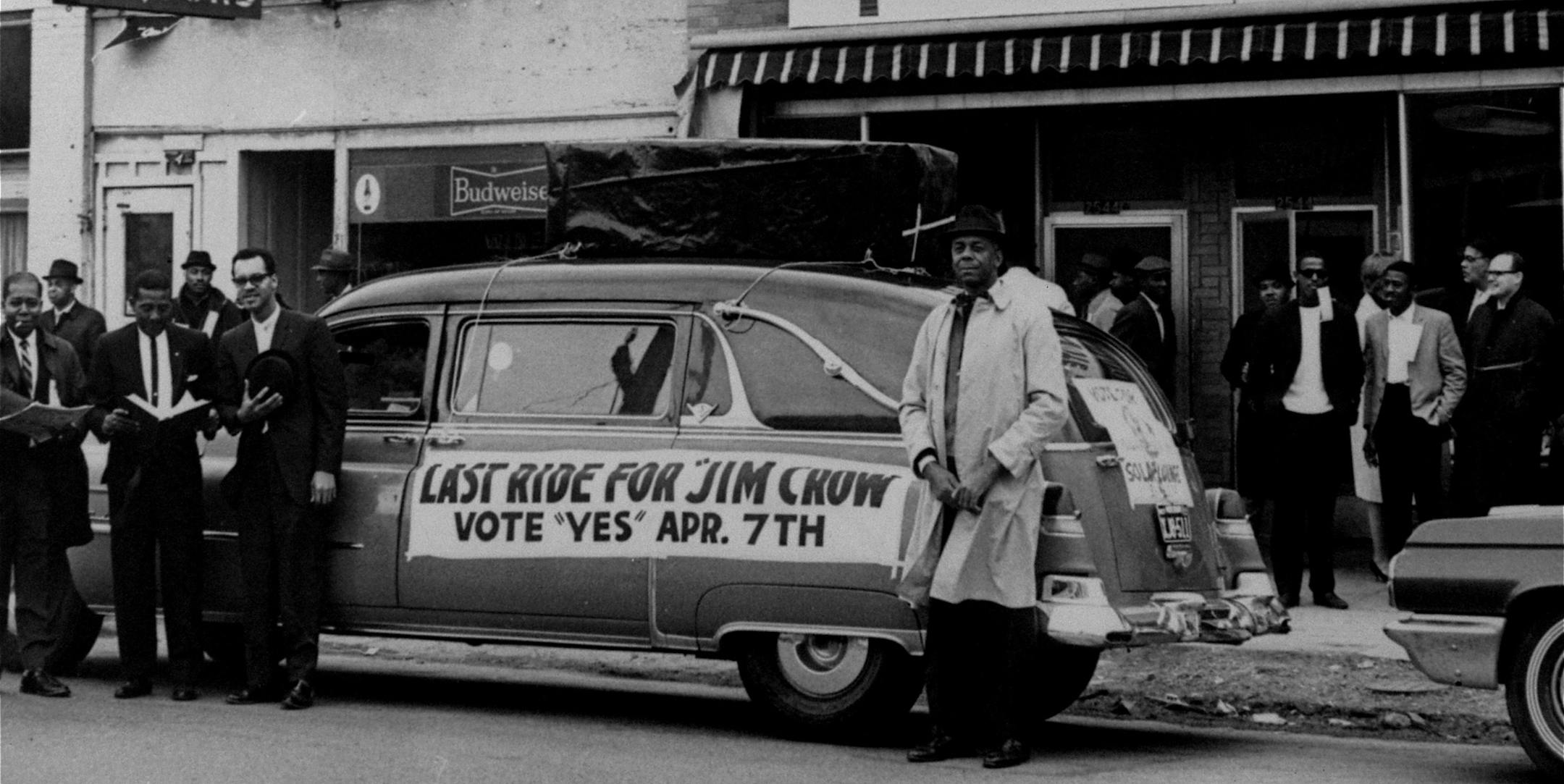
As a kid growing up in Chicago, I traveled by train to visit my grandma in Montgomery, Ala., most summer breaks. I experienced the vestiges of Jim Crow. I waited in the colored waiting room. I drank from the colored drinking fountains. How can I forget those images? More important, why should I?
Many people say we should forget the past and move forward because allowing our oppressive history to affect the present only creates racial conflict. But that is faulty reasoning. Of course we should not blame anyone living now for the sins of their ancestors, but those alive benefit from our past ideas and systems. Recognizing that doesn't mean we lay blame on anyone or allow conflict to arise, which is how I choose to deal with our past. I'm not stuck, but I will remember.
Peter K. Redmond, Minneapolis
The writer is a retired language arts teacher.
• • •
One need only to sit with a Holocaust survivor and see the numbers tattooed on their arm and listen to their story to wonder how anyone survived these atrocities.
Many of their stories have been documented. Some have chosen forgiveness. If my entire family was murdered in the camps, I am not certain I could.
Cohen's grandmother made a promise to herself "to make sure nobody will ever forget what happened." Kudos to you, Judy Meisel, for your valiant effort in educating the following generations about this malicious period in history and for your grandson in carrying forth.


